

Choosing the right Android app development company is one of the most critical decisions a business can make in 2026. With the mobile app market becoming increasingly competitive and user expectations rising, partnering with a reliable, skilled, and experienced Android agency can significantly impact your app’s success.
The best app development companies not only brings technical expertise but also strategic insights, design excellence, and efficient project management to ensure that your app meets both business goals and user expectations. A poorly chosen partner can lead to delays, budget overruns, subpar performance, and long-term maintenance challenges.
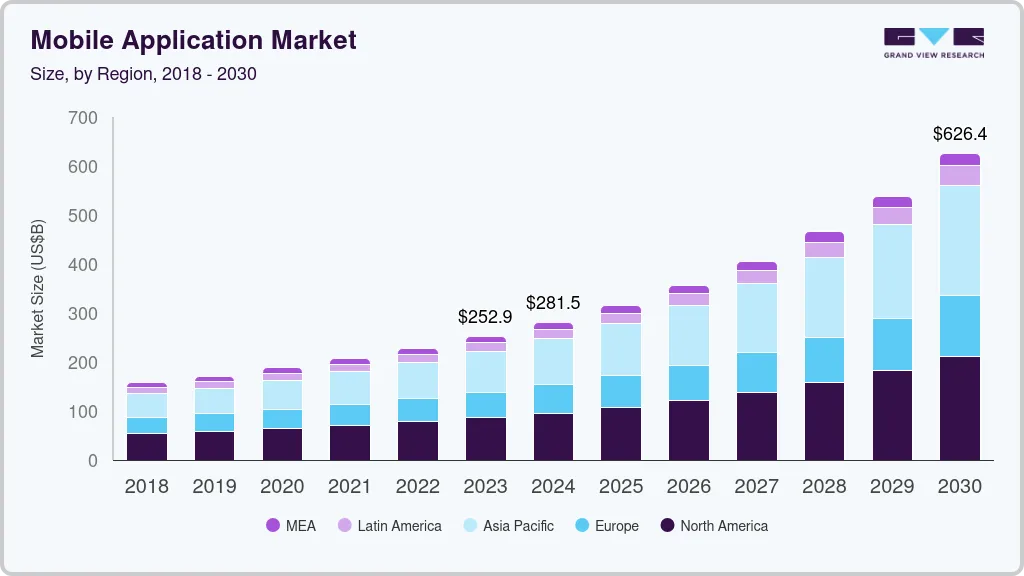
In today’s landscape, businesses must navigate a wide array of options, ranging from freelance developers and boutique agencies to large-scale Android app development companies. Factors such as technical capabilities, portfolio quality, communication practices, security measures, and post-launch support all play a crucial role in making an informed choice.
Moreover, 2026 brings new considerations such as emerging Android frameworks, integration with AI and IoT, and evolving user experience standards. Understanding these factors and leveraging a structured approach, including an Android agency selection checklist, will help businesses hire Android developers effectively, compare Android companies accurately, and ultimately select the best partner for long-term success.
1. Understanding Your Project Requirements
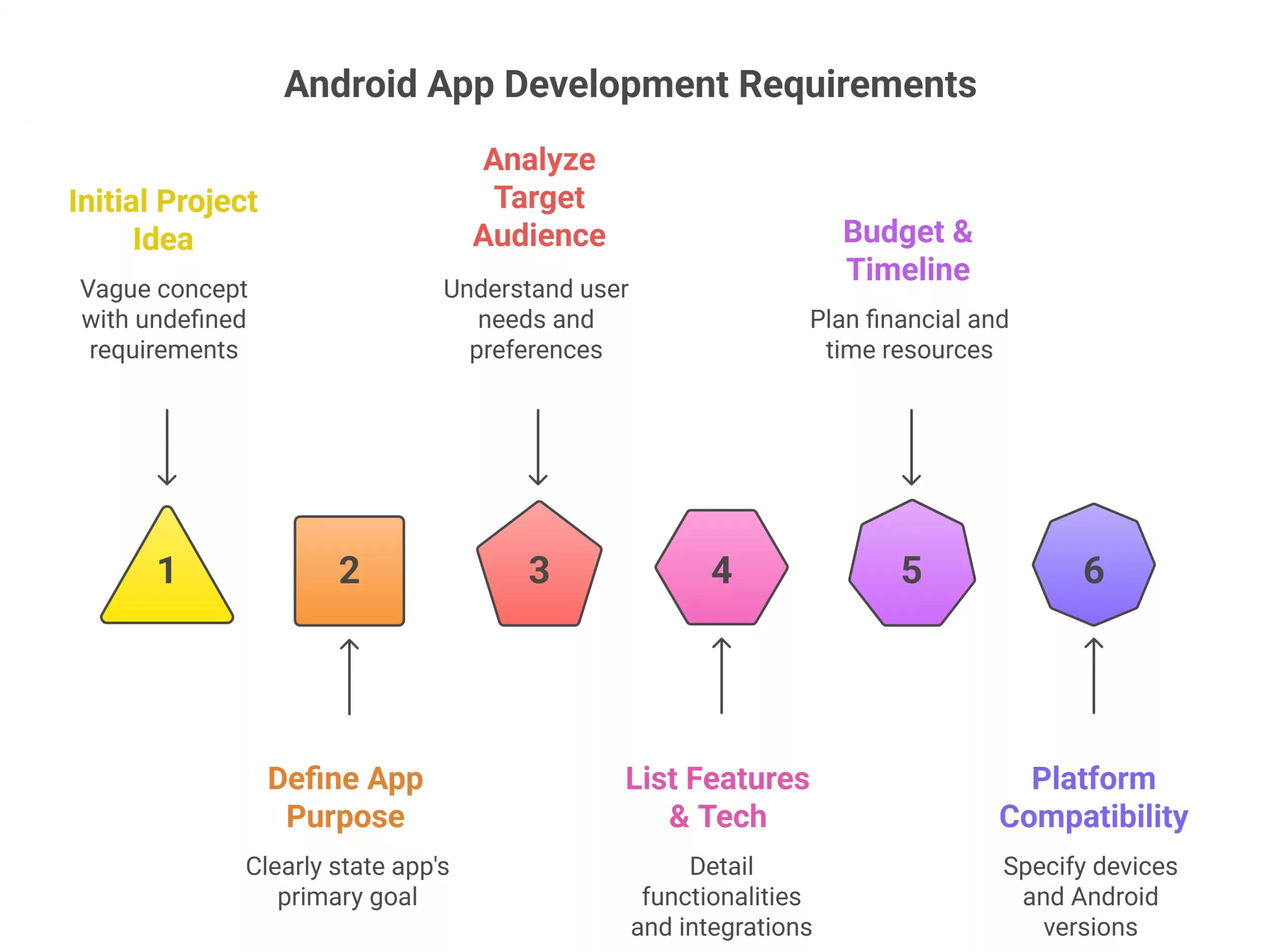
Before engaging an Android app development company, having a well-defined understanding of your project requirements is essential.
Without a comprehensive plan, projects often face delays, budget overruns, and miscommunication. In 2026, with advanced Android frameworks, integration needs, and evolving user expectations, detailing project requirements has become more important than ever.
Defining Your App’s Purpose and Goals
The first step is to identify the primary purpose of your app. Whether your goal is to increase sales, streamline operations, provide entertainment, or enhance customer engagement, a clearly defined purpose guides the overall design and development strategy.
For example, an e-commerce app would prioritize features like product catalogs, payment gateways, and inventory management, while a fitness app might focus on tracking user activity, push notifications, and personalized recommendations. Setting measurable goals, such as daily active users, retention rates, or revenue targets, helps the development team align technical efforts with business objectives.
Target Audience Analysis
Understanding your target audience ensures that your app meets user expectations and drives engagement. Consider factors such as age, location, device preferences, app usage patterns, and pain points. For instance, younger audiences may prefer interactive, visually rich interfaces, while enterprise users might value functionality and security.
Conducting surveys, analyzing competitor apps, and using analytics insights can help define user personas, which guide UI/UX design, feature prioritization, and marketing strategies.
Feature List and Technical Requirements
A detailed feature list and technical specifications help an Android app development company evaluate feasibility, estimate costs, and plan resources. Include core functionalities, optional features, and any integrations with third-party APIs or backend systems.
Consider performance requirements, offline capabilities, push notifications, social media integration, cloud synchronization, and device-specific features. Additionally, clarify your expectations regarding app performance metrics, such as load times, response rates, and scalability, to ensure your app delivers a seamless user experience.
Budget and Timeline Considerations
Budgeting and timeline planning are crucial components of project requirements. Clearly define your budget range, taking into account development, testing, deployment, and ongoing maintenance. Be aware of potential hidden costs such as licensing fees, third-party services, and post-launch updates.
Establishing a timeline with milestones and deliverables allows you to track progress, maintain accountability, and ensure timely delivery. Transparent budget and schedule expectations help agencies provide realistic proposals and avoid misunderstandings during the development process.
Platform Compatibility and Integration Needs
Identify the devices, Android versions, and screen sizes your app will support. Consider whether your app needs to integrate with existing enterprise systems, cloud services, or other third-party applications. Defining platform compatibility and integration requirements helps prevent technical challenges during development and ensures the app functions reliably across various devices.
Additionally, understanding backend dependencies and API requirements early allows development teams to design a scalable architecture that can accommodate future updates and enhancements.
Prioritizing Requirements and Scope Management
In addition to defining features and technical needs, prioritize requirements based on business value and user impact. Categorize features as must-have, nice-to-have, or future enhancements. Effective scope management prevents feature creep, ensures timely delivery, and allows the Android app development company to focus on critical functionalities first. This structured approach improves resource allocation and enhances overall project efficiency.
Documenting Requirements for Transparency
Finally, document all requirements in a clear and structured format. A well-prepared requirement document or a functional specification serves as a reference for discussions, proposals, and contract negotiations. It ensures transparency, reduces misunderstandings, and provides a baseline to compare Android companies objectively. Clear documentation also simplifies onboarding new team members and facilitates long-term maintenance planning.
Read once! How AI Is Reshaping Android App Development
2. Evaluating Company Expertise and Portfolio
Evaluating the expertise and portfolio of an Android app development company is one of the most crucial steps in selecting the right partner in 2026. The portfolio reflects a company’s experience, technical capabilities, and design approach, while expertise indicates their ability to handle complex projects, adopt new technologies, and deliver high-quality apps.
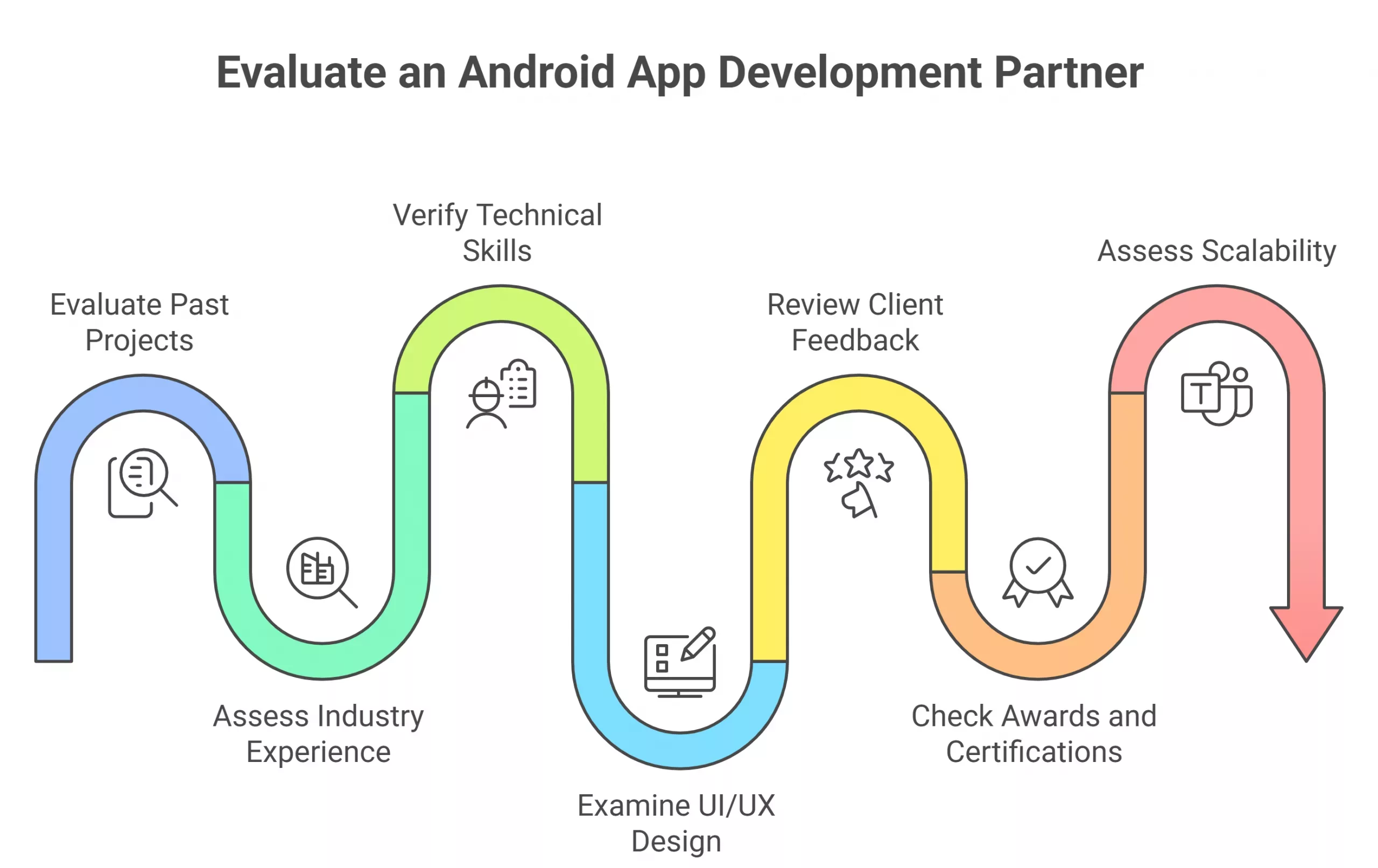
Carefully analyzing these factors helps businesses compare Android companies objectively and hire Android developers who can meet their project goals efficiently.
Assessing Past Android Projects
Reviewing a company’s past projects provides valuable insights into their technical skills, creativity, and problem-solving abilities. Look for apps that are similar in complexity or industry to your project. Evaluate app performance, design quality, and functionality on app stores.
Observing real-world examples helps determine whether the company can deliver a product that meets your expectations and business objectives.
Industry-Specific Experience
Industry-specific expertise is critical because different sectors have unique requirements. For instance, a healthcare app requires strict data security and compliance with regulations like HIPAA, while an e-commerce app demands seamless payment integration and scalable performance. An Android app development company with prior experience in your industry can anticipate challenges, implement best practices, and reduce development risks.
Technical Skills and Frameworks
A strong technical foundation is essential for any Android development company. Ensure the company is proficient in languages and frameworks such as Kotlin, Java, Flutter, or React Native, and can handle backend integrations, APIs, and database management.
Expertise in emerging tools, cloud services, and AI or IoT integration is also valuable for staying ahead in 2026. A technically skilled team can deliver efficient, maintainable, and scalable apps.
UI/UX Design Capabilities
User experience and interface design play a critical role in app adoption and retention. Evaluate the company’s design portfolio for intuitive navigation, aesthetic appeal, and consistency across devices. A company with strong UI/UX capabilities can transform complex functionalities into user-friendly experiences, enhancing engagement and ensuring long-term success.
Client Testimonials and Case Studies
Client feedback provides an authentic perspective on the company’s professionalism, communication, and project delivery. Look for detailed case studies that describe challenges faced, solutions implemented, and outcomes achieved. Testimonials highlight reliability, problem-solving capabilities, and the ability to meet deadlines, helping you make an informed decision while comparing Android companies.
Awards, Certifications, and Industry Recognition
Awards, certifications, and industry recognition indicate a company’s credibility and commitment to quality. Certifications in project management, security, and development standards demonstrate adherence to best practices. Recognized companies are more likely to follow structured processes, maintain high-quality standards, and adopt innovative solutions for Android app development.
Scalability and Team Structure
Assess whether the company has the resources and team structure to handle your project’s scale. A company with dedicated Android developers, QA specialists, designers, and project managers ensures balanced expertise and efficient workflow. Scalability is important for future updates, feature expansions, and long-term collaboration.
3. Technical Skills and Developer Capabilities
When choosing an Android app development company in 2026, evaluating the technical skills and capabilities of their developers is essential. The quality, efficiency, and scalability of your app depend heavily on the expertise of the team responsible for building it.
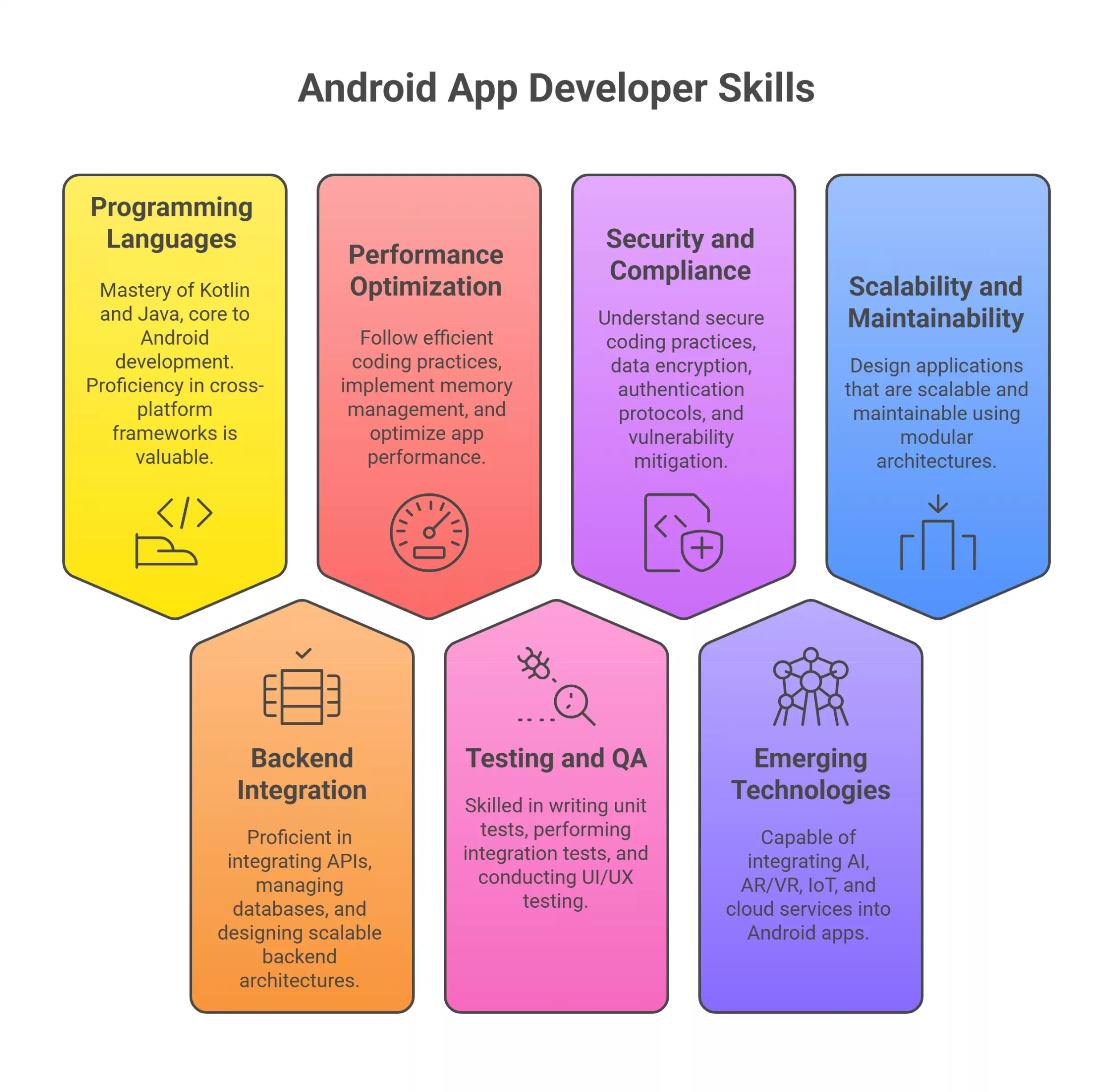
A technically proficient team not only ensures smooth development but also addresses complex challenges, integrates cutting-edge technologies, and delivers a high-performing application.
Understanding the technical competencies of potential companies helps businesses hire Android developers who can meet both current project requirements and future scalability needs.
Mastery of Programming Languages and Frameworks
A competent Android development team should have mastery over programming languages such as Kotlin and Java, which are core to Android app development. Proficiency in cross-platform frameworks like Flutter or React Native can also be valuable for creating apps that work seamlessly across devices.
Skilled developers are able to choose the right language and framework based on project requirements, ensuring optimal performance, maintainability, and scalability.
Backend Integration and API Management
Modern Android apps often rely on backend systems for data storage, authentication, and real-time updates. Developers must be proficient in integrating APIs, managing databases, and designing scalable backend architectures. Strong backend expertise allows for smooth synchronization between front-end and server-side functionalities, reduces downtime, and ensures the app can handle increased user load efficiently.
Performance Optimization and Efficient Coding Practices
High-performing apps are critical to user satisfaction and retention. Developers should follow efficient coding practices, implement memory management strategies, and optimize app performance for speed and responsiveness.
Knowledge of caching techniques, asynchronous programming, and lightweight architectures enables teams to deliver apps that are fast, responsive, and resource-efficient, even on devices with limited hardware capabilities.
Testing and Quality Assurance Capabilities
Quality assurance is a core component of successful Android app development. Developers must be skilled in writing unit tests, performing integration tests, and conducting UI/UX testing across multiple devices and screen sizes.
Automated testing tools like Espresso, Appium, or Robot Framework can enhance efficiency and reduce the likelihood of post-launch bugs. A technically capable team ensures that the app is reliable, stable, and meets user expectations.
Security and Compliance Expertise
Security is increasingly important in 2026, especially with regulations such as GDPR and HIPAA. Developers should understand secure coding practices, data encryption, authentication protocols, and vulnerability mitigation techniques.
Expertise in compliance ensures that sensitive user data is protected, reducing risks of breaches and maintaining trust. Security-aware developers also help the app withstand potential cyber threats without compromising performance.
Integration of Emerging Technologies
A top Android app development company should be capable of integrating emerging technologies such as AI, AR/VR, IoT, and cloud services. This enables apps to provide intelligent recommendations, immersive experiences, real-time analytics, and seamless cloud connectivity. Developers who stay updated with the latest technologies can enhance app functionality and give your product a competitive edge in 2026.
Scalability and Maintainability Practices
Technical skills also extend to designing applications that are scalable and maintainable. Developers should follow modular architectures, microservices, and clean coding principles to allow future updates, feature expansions, and performance optimizations without major overhauls. This ensures the app remains sustainable as your business grows and user demands evolve.
What to Expect from Mobile App Development Companies in 2026
4. Communication and Collaboration Practices
Effective communication and collaboration are essential when selecting an Android app development company. Even the most technically skilled team can struggle to deliver a successful project if there is a lack of clear communication or structured collaboration.
In 2026, remote and distributed teams are increasingly common, making it crucial to evaluate how a company manages project discussions, reporting, and problem-solving.
Assessing these practices ensures that expectations are aligned, progress is transparent, and potential issues are resolved quickly, allowing businesses to hire Android developers who work efficiently within a collaborative framework.
Project Management Methodologies
The methodology a company follows significantly affects communication and project workflow. Agile, Scrum, and Kanban methodologies are widely adopted in 2026 for Android app development because they emphasize iterative progress, regular feedback, and adaptive planning.
Companies that implement structured methodologies provide transparency in development stages, enabling clients to track milestones, review deliverables, and make timely adjustments.
Transparency and Reporting Frequency
A reliable Android app development company should maintain consistent reporting practices. Weekly or bi-weekly updates, progress dashboards, and milestone reports keep stakeholders informed about project status. Transparent reporting helps identify bottlenecks, prevents misunderstandings, and allows for proactive adjustments, ensuring that projects stay on schedule and within budget.
Tools for Collaboration
Collaboration tools enhance communication between distributed teams and clients. Platforms such as Slack, Microsoft Teams, Jira, Trello, and Asana allow real-time messaging, task management, and progress tracking. Using integrated tools ensures that developers, designers, project managers, and clients remain connected, promoting accountability and efficient workflow management.
Time Zone and Cultural Compatibility
With global Android app development companies, time zone differences can affect real-time collaboration. It’s important to evaluate whether the company can align its working hours with your team for regular meetings and updates. Cultural compatibility also influences communication styles, responsiveness, and work ethics, which impact overall project efficiency and client satisfaction.
Problem-Solving and Responsiveness
Effective collaboration is tested during challenges or unexpected issues. Companies should demonstrate a proactive approach to problem-solving, responding promptly to queries, and adapting strategies as needed. A responsive team ensures minimal disruption during development and maintains project momentum, preventing delays and ensuring high-quality delivery.
Defining Roles and Responsibilities
Clear role allocation within the development team and between client and company is crucial for smooth collaboration. Defining responsibilities for developers, designers, QA testers, and project managers reduces overlaps, clarifies accountability, and ensures that every aspect of the project is managed efficiently.
Feedback and Iteration Cycles
Regular feedback loops between the client and the development team ensure that the app evolves according to expectations. Iterative reviews and demonstrations allow stakeholders to provide input on features, design, and functionality, leading to an app that aligns closely with business objectives. Structured feedback cycles also minimize costly revisions at later stages.
5. Cost and Pricing Models
Understanding cost structures and pricing models is a vital part of selecting the right Android app development company in 2026. While quality and expertise are paramount, budget constraints often dictate the scope and feasibility of a project.
A clear grasp of pricing models allows businesses to compare Android companies effectively, plan financial resources, and avoid unexpected expenses. Transparent cost analysis also ensures that the project aligns with long-term goals, including updates, maintenance, and scalability.
Fixed Price vs Hourly Rate Models
Android app development companies typically offer two main pricing structures: fixed price and hourly rate. Fixed-price models are suitable for projects with well-defined requirements and scope, offering a predictable budget and timeline.
Hourly rate models provide flexibility for projects where requirements may evolve or involve complex functionalities. Understanding the pros and cons of each model helps businesses select the right approach for their project type.
Evaluating ROI and Long-Term Value
While lower upfront costs may be appealing, businesses should consider the return on investment (ROI) and long-term value of the app. A company that delivers high-quality code, optimized performance, and scalable architecture ensures that the app remains sustainable, reduces maintenance costs, and adapts to future business needs. Investing in a reputable Android app development company often yields higher long-term benefits compared to selecting based solely on price.
Hidden Costs and Maintenance Considerations
Beyond development fees, additional costs such as third-party service integration, licensing, testing, and ongoing maintenance should be factored in. Some companies may offer post-launch support at extra costs, while others include it in their packages. Understanding hidden costs upfront prevents surprises and ensures accurate budgeting for the complete app lifecycle.
Budgeting for Post-Launch Support
Android apps require continuous updates, bug fixes, and feature enhancements. Allocate a portion of your budget for post-launch support to ensure ongoing performance and user satisfaction. A company that provides clear terms for maintenance and support helps businesses plan financially and maintain app reliability.
Negotiation and Contract Clarity
When discussing pricing, it’s essential to have transparent communication and clearly defined contracts. Specify deliverables, timelines, payment milestones, and scope of work to avoid disputes. Negotiating flexible payment plans or bundled services can also provide financial benefits while maintaining quality standards.
Factors Influencing Development Costs
Several factors affect Android app development costs, including app complexity, number of features, design requirements, integration needs, and backend architecture. Advanced technologies like AI, AR/VR, IoT, or cloud services may increase costs but can add significant value. Evaluating these factors helps businesses set realistic expectations and choose a company capable of delivering a cost-effective solution.
Comparing Cost Structures Across Companies
When comparing Android companies, analyze their pricing transparency, scope inclusions, and value-added services. A company offering detailed estimates, clear timelines, and a balanced pricing model demonstrates reliability and professionalism. Using a structured comparison approach ensures that financial decisions are informed and aligned with project goals.
6. Support and Maintenance Services
Choosing the right Android app development company extends beyond initial development. In 2026, continuous support and maintenance have become critical components of a successful app lifecycle. Post-launch maintenance ensures that the app remains functional, secure, and up-to-date with evolving user expectations and Android platform updates.
A company that provides robust support and maintenance services helps businesses avoid downtime, reduce costs associated with fixes, and improve user satisfaction over time. Evaluating these services carefully is essential for businesses looking to hire Android developers capable of long-term collaboration.
Post-Launch Bug Fixes and Issue Resolution
Even after thorough testing, apps can encounter bugs or performance issues post-launch due to device diversity, Android OS updates, or unexpected user behavior. A reliable development company provides prompt bug fixes and issue resolution, minimizing disruptions for users. Timely response to technical problems ensures that the app maintains a positive reputation and continues to meet business objectives.
Feature Upgrades and Version Updates
User expectations and market demands evolve constantly. Support services should include the ability to implement feature upgrades and version updates efficiently. Companies that proactively suggest improvements based on user feedback or analytics insights demonstrate a commitment to continuous app enhancement.
Regular updates also help maintain compatibility with new Android versions, libraries, and devices, ensuring smooth operation over time.
Performance Monitoring and Optimization
Ongoing monitoring is essential to maintain app performance and responsiveness. Companies offering support services often provide tools and processes to track crash reports, user behavior, server performance, and API efficiency. Continuous monitoring enables developers to detect issues early, optimize resource usage, and enhance user experience, ensuring that the app performs reliably even under high user loads.
Dedicated Support Teams
A structured support team, including developers, QA specialists, and technical support staff, ensures that queries and issues are addressed promptly. Having a dedicated team means that your app receives specialized attention and that maintenance processes are standardized, reducing downtime and improving overall efficiency. Clear communication channels with the support team also foster a seamless working relationship between the business and the development company.
Service Level Agreements (SLAs)
Service Level Agreements (SLAs) define the scope, response time, resolution timelines, and quality standards for maintenance and support. A transparent SLA protects both parties by setting clear expectations and accountability measures. Businesses should ensure that the Android app development company provides SLAs covering post-launch bug fixes, performance optimization, security patches, and emergency support.
Security Updates and Compliance Maintenance
Maintaining security and regulatory compliance is an ongoing process. A competent company keeps the app updated with the latest security patches, encryption protocols, and compliance requirements such as GDPR, HIPAA, or regional data protection laws. Regular security audits and updates protect sensitive data and maintain user trust, which is especially crucial for apps handling financial transactions, personal information, or enterprise data.
Analytics and User Feedback Integration
Support services should also include integrating analytics and collecting user feedback to guide iterative improvements. Monitoring user engagement, retention rates, crash reports, and feature usage helps developers identify areas for enhancement. A company that leverages this data to implement improvements ensures that the app evolves in alignment with user needs and business goals.
Long-Term Collaboration and Scalability
The ideal custom app development company is a long-term partner rather than just a one-time service provider. Continuous collaboration enables future scaling, feature expansion, and integration of emerging technologies. Companies that plan for long-term support can anticipate challenges, recommend optimizations, and provide strategic guidance, ensuring that the app remains competitive and relevant in 2026 and beyond.
7. Security and Intellectual Property Protection
In 2026, security and intellectual property (IP) protection are critical factors when selecting an Android app development company. Apps often handle sensitive data, including personal information, financial transactions, and proprietary business logic.
A breach or IP dispute can lead to financial losses, reputational damage, and legal consequences. Evaluating a company’s approach to security and IP ensures that your app is not only robust and reliable but also legally and technically protected.
App Data Security Practices
A reputable Android app development company implements strong security measures to protect user and business data. This includes end-to-end encryption, secure authentication protocols, token-based access, and secure data storage. App Developers should follow best practices such as input validation, secure API usage, and regular vulnerability testing to minimize risks of data breaches and cyberattacks.
Non-Disclosure Agreements (NDAs)
NDAs are essential for protecting sensitive information shared during the development process. Signing an NDA ensures that proprietary ideas, business models, and technical designs remain confidential. Businesses should verify that the Android app development company adheres strictly to NDAs and understands the importance of maintaining confidentiality throughout the project lifecycle.
Source Code Ownership and Rights
Clear agreements regarding source code ownership and intellectual property rights are crucial. Businesses should ensure that the company transfers full ownership of the app’s source code upon completion or deployment. Retaining complete rights allows future modifications, scaling, or transfer of the app to other teams without legal complications.
Compliance with Regulations
Compliance with regional and industry-specific regulations is essential for app security and legal integrity. Android developers must adhere to laws like GDPR, HIPAA, CCPA, and other data protection regulations depending on the target market. A company experienced in regulatory compliance can implement necessary measures from the outset, reducing risks of fines, penalties, or user trust issues.
Risk Management Strategies
A proactive approach to risk management is a hallmark of a professional Android app development company. This includes performing security audits, penetration testing, threat modeling, and disaster recovery planning. Effective risk management ensures that potential vulnerabilities are identified and mitigated early, reducing the likelihood of costly breaches or disruptions.
Intellectual Property Protection for Unique Features
If your app includes proprietary algorithms, unique features, or innovative business processes, it’s important to protect these assets legally. Companies should implement IP protection measures such as copyright registration, patents, or trade secrets for proprietary code or technology. This ensures that competitors cannot replicate your innovations, maintaining a competitive advantage.
Continuous Security Updates and Monitoring
Security is an ongoing process rather than a one-time effort. An ideal company provides continuous monitoring, timely security patches, and updates to adapt to emerging threats. By staying vigilant, the development team ensures that your app remains secure, reliable, and compliant throughout its lifecycle.
8. Comparing Android App Development Companies
Comparing Android app development companies is a critical step in selecting the right partner for your project in 2026.
With a growing number of agencies offering similar services, businesses must evaluate companies systematically based on technical expertise, portfolio quality, communication practices, pricing, and support capabilities.
A structured comparison allows you to hire Android developers who align with your project goals, timelines, and budget while minimizing risks associated with project delays or substandard deliverables.
Creating a Shortlist of Candidates
Begin by researching and creating a shortlist of potential companies. Look for agencies that specialize in Android app development, have relevant industry experience, and showcase strong portfolios. Referrals, online reviews, and industry directories can provide a starting point. Narrowing down options allows for a more focused evaluation process, saving time and effort.
Key Evaluation Criteria
Establish clear criteria for comparison, including technical expertise, design capabilities, project management skills, and post-launch support. Additional factors like security practices, regulatory compliance, and use of emerging technologies can further differentiate companies. Clear criteria ensure that evaluations remain objective and aligned with your project requirements.
Strengths and Weaknesses Comparison
Assess each company’s strengths and weaknesses relative to your project needs. Evaluate the quality of previous projects, client feedback, scalability of solutions, and innovation in design or technology. Identifying strengths and gaps helps you prioritize companies that offer the best balance of skills, experience, and reliability.
Scorecard or Rating System
Develop a scorecard or rating system to quantify your comparisons. Assign scores for categories such as technical skills, portfolio quality, communication, cost-effectiveness, and maintenance capabilities. A structured scoring method enables an objective and transparent decision-making process, reducing biases and ensuring that the chosen company aligns with your expectations.
Making an Informed Decision
After evaluating all factors, analyze the results and select the Android app development company that best matches your project requirements. Consider long-term collaboration potential, cultural fit, responsiveness, and adaptability to evolving needs. An informed decision reduces risks, ensures high-quality delivery, and lays the foundation for a successful app launch.
Reducing Risk Through Pilot Projects
Before fully committing, consider starting with a pilot project or MVP (Minimum Viable Product) to assess the company’s capabilities. This approach allows you to evaluate workflow, communication, and technical proficiency in a controlled, low-risk setting. Successful completion of a pilot project builds confidence for larger-scale development.
Leveraging Client References
Speaking directly with past clients provides authentic insights into a company’s performance. Inquire about their experiences with project timelines, budget management, support responsiveness, and overall satisfaction. Client references often reveal practical details not visible in portfolios or marketing materials, helping refine your comparison and selection process.
Looking for? Best App Ideas With Features, Benefits, & Costs 2025
9. Android App Development Agency Selection Checklist
Selecting the right Android app development company in 2026 requires a structured approach. An Android agency selection checklist helps businesses evaluate potential partners methodically, ensuring no critical aspect is overlooked. By following a comprehensive checklist, you can hire Android developers effectively, compare Android companies objectively, and minimize risks associated with project delays, subpar quality, or hidden costs.
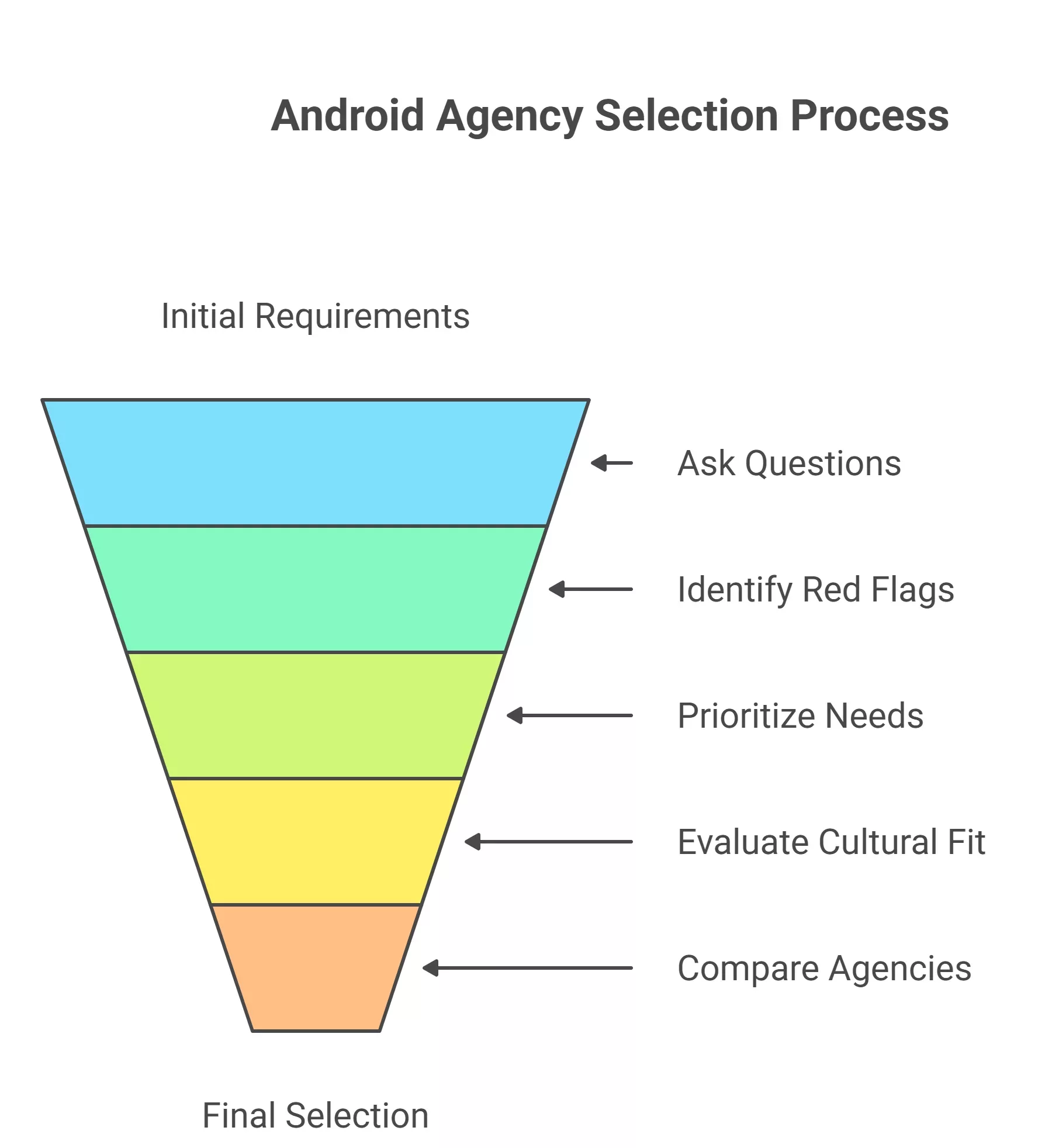
Start with a structured approach by listing all requirements, goals, and expectations. This includes project scope, feature list, design standards, platform compatibility, and technology preferences. Documenting these factors helps ensure all candidates are evaluated against the same criteria, enabling a fair comparison.
Must-Have Questions to Ask
Prepare a list of essential questions for prospective companies. Key questions may include:
- What is your experience with similar Android apps?
- Can you provide client references and case studies?
- Which technologies and frameworks do you recommend for this project?
- How do you handle post-launch support and maintenance?
- What are your security and compliance practices?
Asking these questions helps assess technical capabilities, reliability, and suitability for your project.
We have listed! Questions to Ask Before Hiring an AI App Development Company
Red Flags to Avoid
Be aware of warning signs that indicate potential problems, such as:
- Lack of a detailed portfolio or client references
- Vague or unrealistic timelines and cost estimates
- Poor communication or delayed responses
- Limited expertise in relevant technologies
- Inadequate post-launch support or SLA details
Identifying red flags early can prevent costly mistakes and ensure you select a trustworthy partner.
Read once! Key Advantages Of Hiring International Developers
Prioritizing Your Requirements
Not all requirements carry equal weight. Prioritize core functionalities, must-have features, and critical technical needs above optional enhancements. This ensures that companies are evaluated based on their ability to deliver the most important aspects of your app first, helping you make a strategic and practical decision.
Evaluating Cultural Fit and Communication
An ideal Android app development company should align with your company’s work culture, communication style, and time zone requirements. A good cultural fit ensures smooth collaboration, minimizes misunderstandings, and enhances productivity, especially for distributed teams working remotely in 2026.
Comparing Multiple Agencies
Use the checklist to evaluate multiple agencies consistently. Create a scoring system or matrix to rate each company based on key factors such as technical expertise, portfolio quality, communication, cost, support, and scalability. This structured comparison enables objective decision-making and reduces bias.
Finalizing the Right Choice
Once all evaluations are complete, analyze the results and select the company that best meets your project requirements. Consider long-term collaboration potential, adaptability to evolving needs, and overall alignment with your business goals. A systematic checklist approach ensures confidence in your selection and lays the foundation for a successful Android app project.
10. Hiring the Best Android Developers 2026
Hiring the right Android developers is a critical step in ensuring your app’s success in 2026. Skilled developers not only bring technical expertise but also contribute to project planning, problem-solving, and innovation.
Whether you are hiring in-house, outsourcing, or using a hybrid approach, evaluating developer capabilities and aligning them with your project requirements is essential. Proper hiring practices help businesses hire Android developers who can deliver high-quality apps efficiently, while also supporting scalability and long-term maintenance.
Identifying Skilled Developers
Look for developers with strong proficiency in Android programming languages such as Kotlin and Java, and familiarity with cross-platform frameworks like Flutter and React Native. Review their past work, coding practices, and experience with relevant tools and libraries. Skilled developers should also demonstrate problem-solving abilities, clean code practices, and a deep understanding of performance optimization.
In-House vs Outsourcing vs Hybrid Teams
Decide whether to hire developers in-house, outsource to an Android app development company, or adopt a hybrid model. In-house teams offer direct control and long-term continuity, while outsourcing provides access to specialized expertise and flexibility. A hybrid approach combines both advantages, allowing businesses to maintain core control while leveraging external talent for specialized tasks.
Looking for? Hybrid App Development
Interview and Assessment Strategies
Conduct technical interviews, coding assessments, and portfolio reviews to evaluate potential developers. Assess their understanding of Android architecture, UI/UX design principles, backend integration, and testing methodologies. Practical tests, such as building a small feature or solving performance optimization challenges, provide insights into their real-world capabilities and problem-solving skills.
Aligning Developers with Project Goals
Ensure that developers understand your app’s objectives, target audience, and business goals. Alignment allows them to make informed decisions regarding architecture, features, and design, resulting in an app that meets both technical and business requirements. Clear communication and documentation of expectations also help developers prioritize tasks effectively.
Retention and Long-Term Collaboration
Hiring skilled developers is only the first step; retaining them is equally important. Provide opportunities for continuous learning, recognition, and career growth to maintain engagement and productivity. For outsourced or hybrid teams, establish clear collaboration protocols, performance metrics, and communication channels to ensure long-term reliability and accountability.
Which Is Better: Local vs Offshore Mobile App Development?
Leveraging Emerging Skills
In 2026, Android developers with experience in AI, AR/VR, IoT, cloud integration, and serverless architectures are highly valuable. These emerging skills allow developers to enhance app functionality, optimize performance, and implement innovative solutions. Prioritizing such skills ensures your app stays competitive in an evolving technological landscape.
Evaluating Soft Skills
Technical expertise alone is insufficient. Developers should possess strong communication, teamwork, adaptability, and problem-solving skills. These soft skills enhance collaboration, facilitate knowledge transfer, and ensure smooth interaction with designers, project managers, and clients. Developers with strong soft skills contribute to a more productive and efficient development process.

Sum up
Choosing the right Android app development company in 2026 is a strategic decision that can determine the success of your app and the long-term growth of your business. By carefully evaluating project requirements, technical expertise, portfolio quality, communication practices, pricing models, and post-launch support, businesses can identify companies that align with their goals and expectations.
A systematic approach, including the use of an Android agency selection checklist and structured comparisons, ensures informed decisions and reduces risks associated with delays, cost overruns, or substandard app performance.
Investing time in selecting the best partner and hiring skilled Android developers ensures that your app is not only functional but also scalable, secure, and aligned with emerging technologies such as AI, IoT, and cloud-native tools.
Companies that provide continuous support, maintenance, and updates help businesses stay competitive while maintaining high user satisfaction. Ultimately, a thorough and thoughtful selection process lays the foundation for a successful Android app that meets business objectives, exceeds user expectations, and thrives in the rapidly evolving mobile landscape of 2026.
Want to know? What Is The Average ROI From Hiring A Mobile App Development Company?
FAQs
What factors should I consider when choosing an Android app development company?
When selecting an Android app development company, consider factors such as technical expertise, portfolio quality, industry experience, communication practices, pricing models, post-launch support, and security measures. Evaluate whether the company can handle your project requirements, adopt emerging technologies, and provide scalable and maintainable solutions. Using an Android agency selection checklist can help ensure a structured and informed decision.
How do I compare different Android companies effectively?
Comparing Android companies effectively involves assessing their portfolio, technical skills, client testimonials, pricing models, support services, and long-term collaboration potential. Create a scoring system or matrix to quantify strengths and weaknesses across key categories. This structured approach allows businesses to objectively evaluate multiple companies and choose the one that best aligns with their project goals.
Should I hire in-house developers or outsource my Android app development?
The choice depends on project complexity, budget, and long-term goals. In-house developers offer direct control and long-term continuity, while outsourcing provides specialized expertise, flexibility, and cost-efficiency. A hybrid approach can combine both advantages, allowing core tasks to be handled internally while leveraging external talent for specialized features or advanced technologies.
How important is post-launch support and maintenance?
Post-launch support and maintenance are critical for the app’s performance, security, and user satisfaction. Continuous updates, bug fixes, performance monitoring, and feature enhancements ensure the app remains compatible with new Android versions and evolving user needs. Choosing a company that provides robust maintenance services reduces downtime, enhances app reliability, and protects your investment.
What emerging skills should I look for in Android developers in 2026?
In 2026, Android developers with expertise in AI, IoT, AR/VR, cloud integration, serverless architecture, and cloud-native tools for app developers are highly valuable. These skills allow the team to implement innovative features, optimize performance, and create scalable, future-ready apps. Additionally, developers should possess strong communication, problem-solving, and collaborative skills to ensure smooth project execution.