

Are you prepared to engage in the AI business, projected to attain USD 1,811.8 billion by 2030? However, what is holding you back? Is it a deficiency of ideas or the apprehension of failing to endure the test of time? Regardless of the circumstances, do not be excessively anxious. We have compiled a list of 100+ profitable AI business ideas to assist in launching your Artificial Intelligence enterprise and achieving recognition.
Wondering Why Entrepreneurs and Businesses Are Turning to AI?
The growing impact of AI on business is undeniable. According to Precedence Research, the global AI market size is projected to reach an astounding USD 638.23 billion by 2024, growing at a compound annual growth rate (CAGR) of 19.1% from 2024 to 2034.
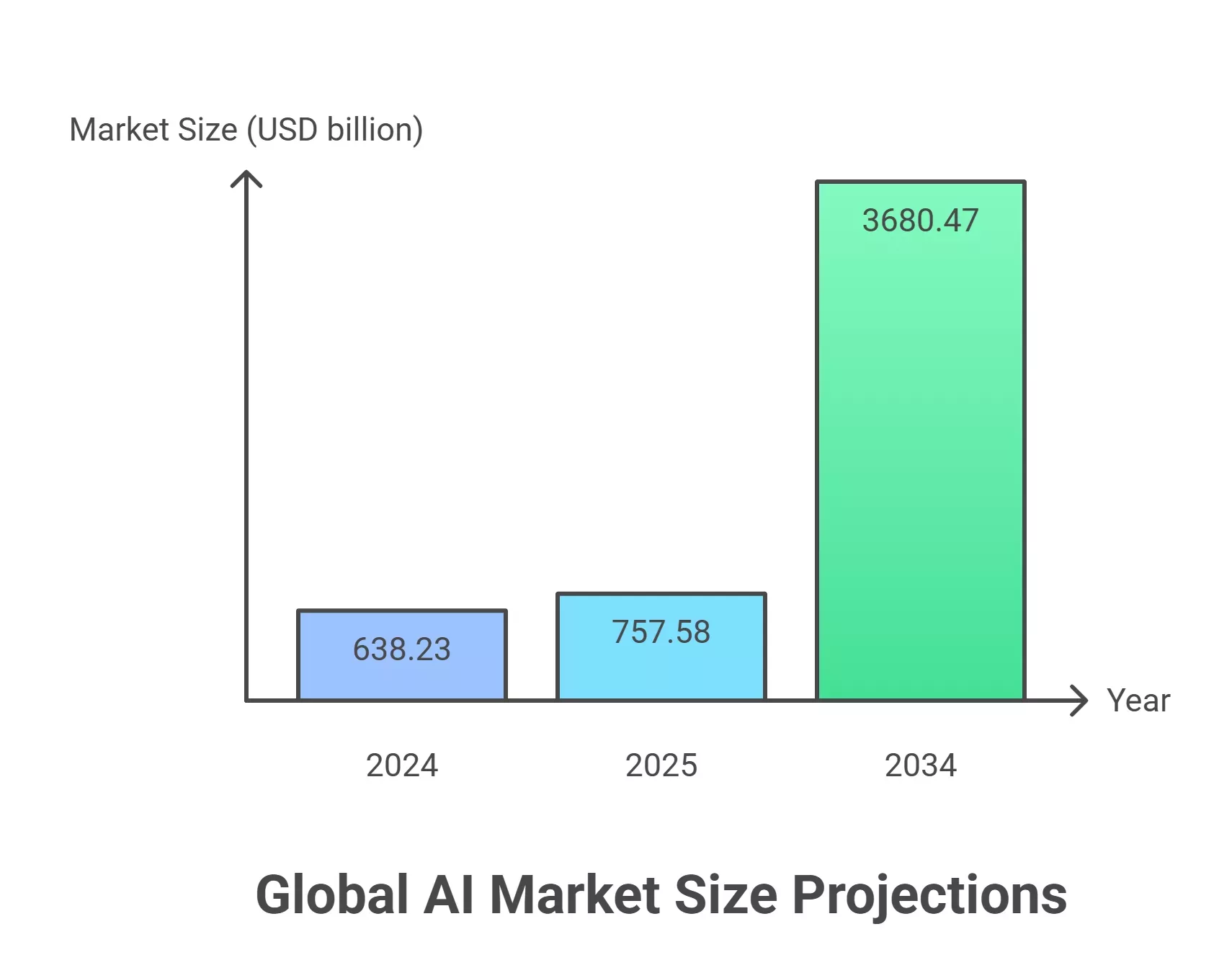
This exponential growth reflects AI’s increasing relevance in the current market, as companies across various sectors, from healthcare to finance, leverage AI tools to enhance outcomes and stay ahead of the curve.
Entrepreneurs are increasingly drawn to AI because it offers tools that can streamline processes and reduce costs. Whether automating routine tasks or providing deeper insights through data analysis, AI enables businesses to operate more efficiently. For startups and smaller businesses, this can mean a faster route to scalability.
In 2026, AI will become indispensable for maintaining a competitive edge. With the ability to analyze massive amounts of data quickly and accurately, AI empowers businesses to make informed decisions that can lead to better customer experiences and higher profitability.
As the global AI market continues to expand, it’s clear that those who embrace this technology are positioning themselves for long-term success in a rapidly evolving business landscape.
Want to know? How to Create an AI App
List of 10+ Most Successful AI App Ideas that will Make you Money in 2026
| Rank | AI App Idea | Estimated Development Cost | Target Users | Revenue Potential |
|---|---|---|---|---|
| 1 | AI-Powered Fitness Coaching App | $40,000 – $120,000 | Fitness enthusiasts, home workout users | Subscriptions, premium plans |
| 2 | AI-Powered Pet Care Monitoring App | $35,000 – $110,000 | Pet owners, veterinarians | Subscriptions, health alerts |
| 3 | AI-Driven Elderly Care Monitoring App | $60,000 – $180,000 | Seniors, caregivers, families | Long-term plans, healthcare partnerships |
| 4 | AI-Driven Mental Health App | $45,000 – $150,000 | Individuals, working professionals | Subscriptions, guided programs |
| 5 | AI-Powered Nutrition Tracking App | $30,000 – $100,000 | Health-conscious users | Premium insights, plans |
| 6 | AI-Driven Health Diagnosis Assistant | $70,000 – $220,000 | General users, patients | Premium features, partnerships |
| 7 | AI-Based Pregnancy Monitoring App | $35,000 – $120,000 | Expecting mothers | Subscriptions, add-on features |
| 8 | AI-Powered Habit-Building App | $25,000 – $90,000 | Students, professionals | Subscriptions, personalization |
| 9 | AI-Based Women Safety App | $40,000 – $140,000 | Women, urban users | Premium safety features |
| 10 | AI-Based Sleep Monitoring App | $30,000 – $110,000 | Health-focused users | Subscriptions, reports |
These are creative ideas that employ artificial intelligence to solve real-world problems and offer new opportunities. Let’s look into these options and select the ideal AI solution to launch a profitable business.
Rank 1) AI-Powered Fitness Coaching App
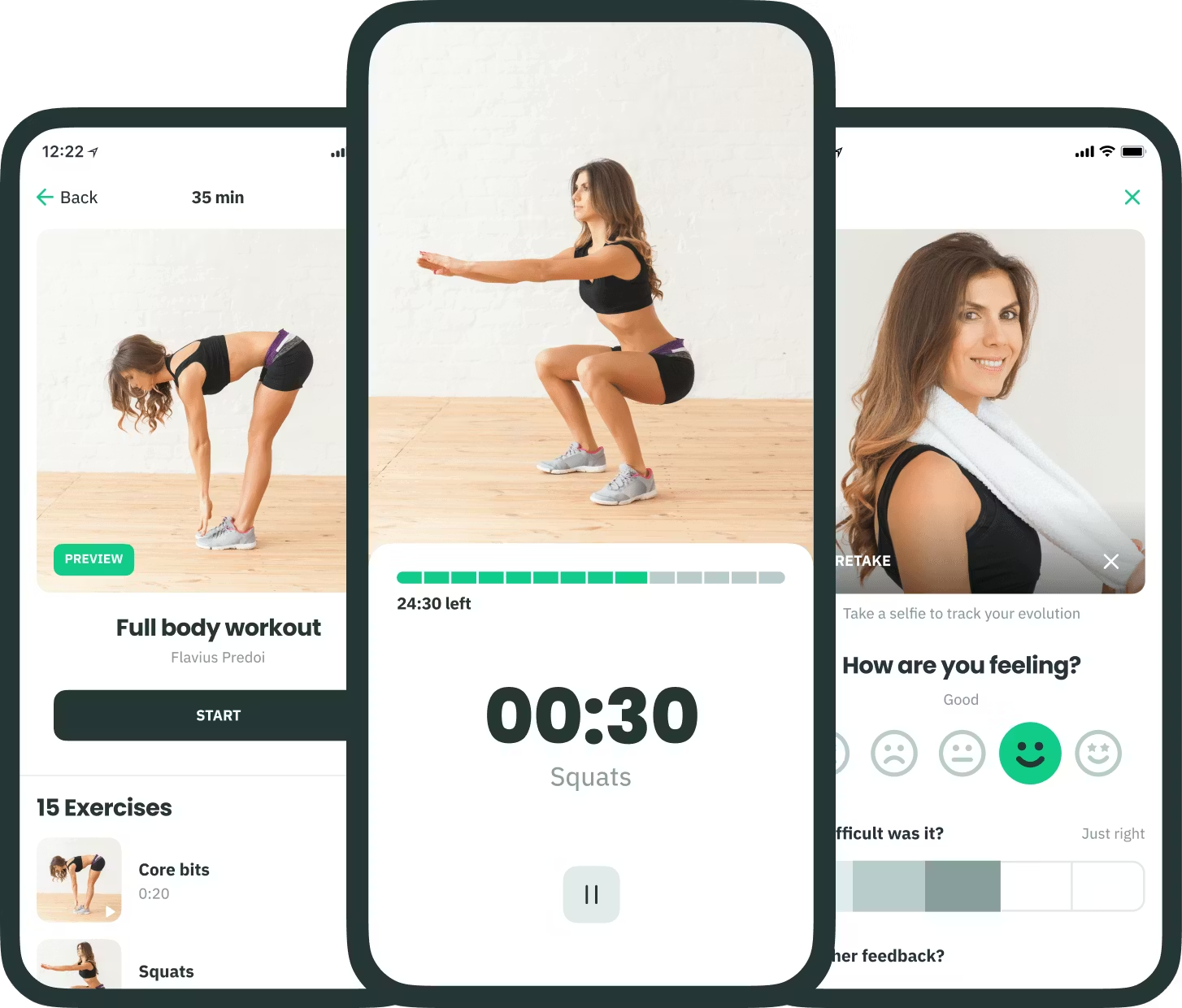
With AI fitness app development, you can build an app that works like a personal trainer. It creates personalized workout plans, tracks progress, and gives real-time feedback using data from wearables and smart devices.
Popular apps like Fitbit and Freeletics show the rising demand for digital fitness coaching. As more users prefer home workouts and on-demand guidance, AI-powered fitness apps offer strong engagement, long-term retention, and multiple revenue options such as subscriptions, premium plans, and in-app features.
Rank 2) AI-Powered Pet Care Monitoring App
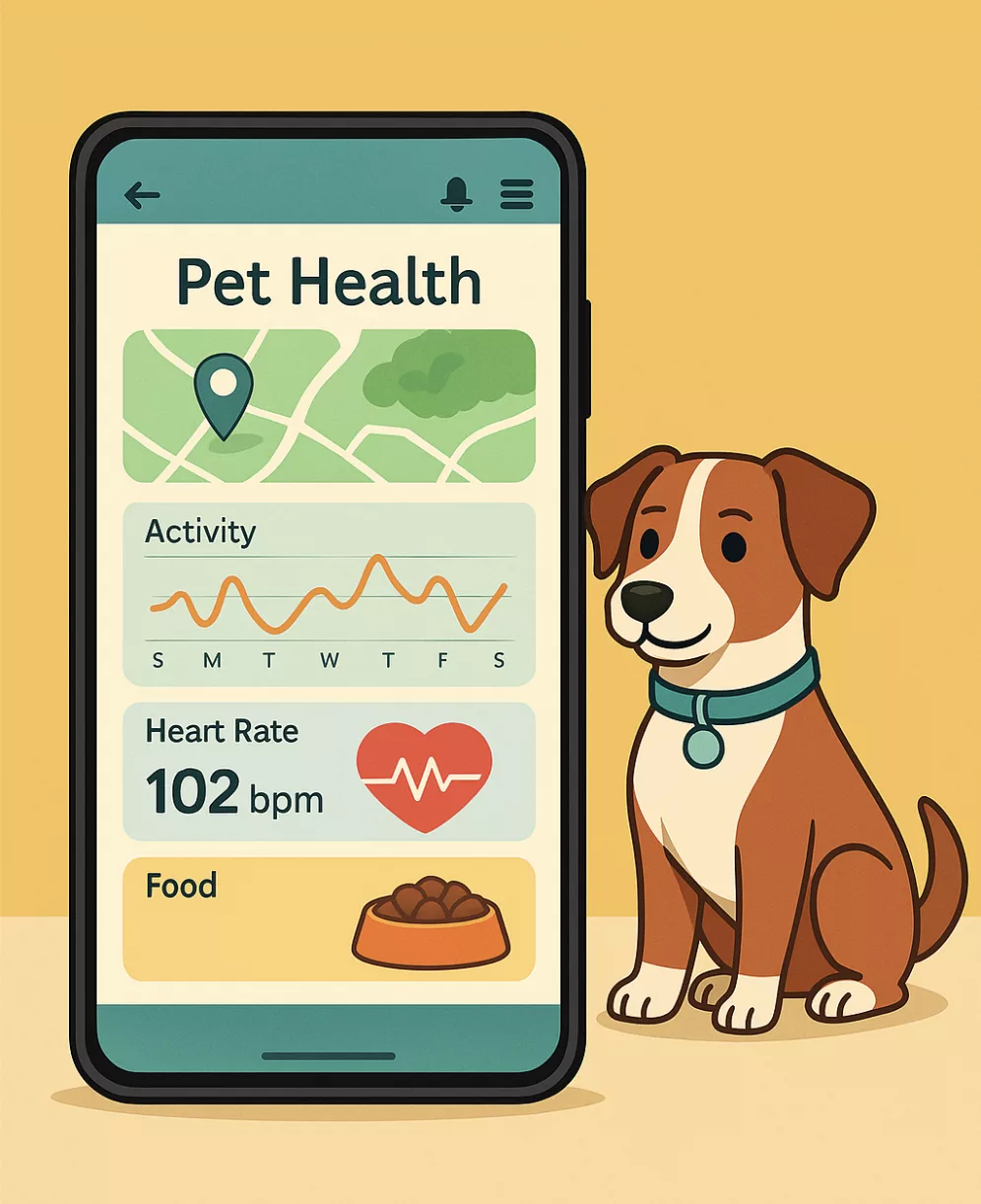
An AI-driven pet care app tracks a pet’s activity, health, and behavior using wearables or smart cameras. It helps pet owners understand movement patterns, eating habits, and possible health issues early. Apps like Whistle and PawTrack show strong demand for this idea.
With global pet ownership rising, modern pet parents want smarter ways to care for their animals. This niche blends emotional connection with practical value, offering steady growth through subscriptions, alerts, and premium health insights.
Rank 3) AI-Driven Elderly Care Monitoring App

This app supports seniors with real-time health tracking, medication reminders, and instant alerts for caregivers. It helps older adults live independently while keeping families informed and reassured. Apps like CarePredict prove the growing demand for such solutions.
As the global population ages, elderly care technology is becoming essential. Investing in AI-based elderly care apps addresses a real social need while opening opportunities in healthcare partnerships and long-term service models.
Rank 4) AI-Driven Mental Health App

An AI-driven mental health app offers virtual therapy support, mindfulness sessions, and stress management tools. Apps like Woebot and Wysa show how AI can provide emotional support anytime. As awareness around mental health grows, users seek affordable and easy access to care. This app meets a real need while offering strong engagement and long-term value through subscriptions and guided programs.
Rank 5) AI-Powered Nutrition Tracking App
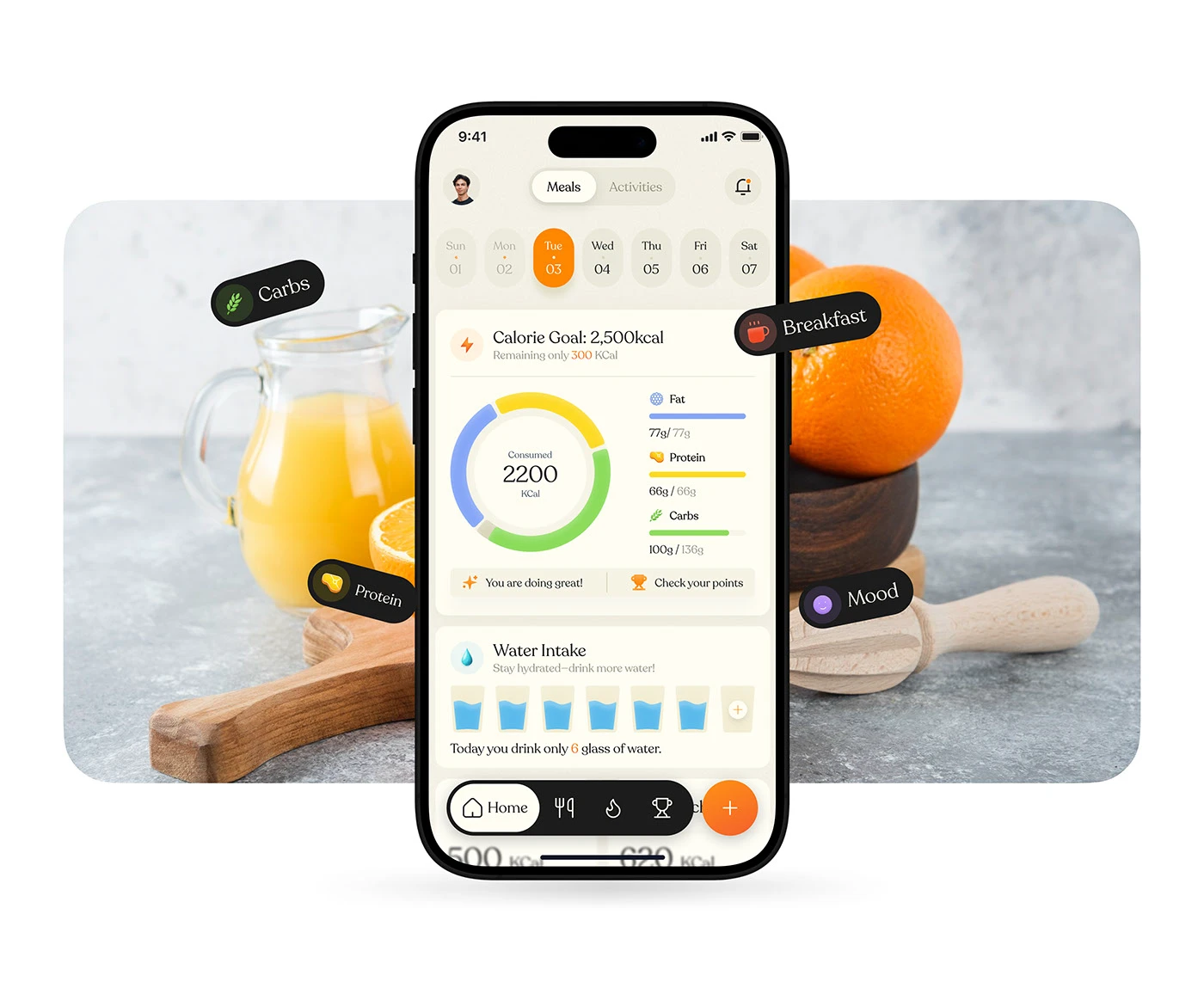
An AI nutrition tracking app analyzes food habits, tracks calories, and suggests meal plans based on health goals. Apps like MyFitnessPal prove the demand for smart nutrition tools. With rising interest in fitness and healthy living, this app attracts health-focused users. It also supports recurring revenue through premium plans and personalized insights.
Rank 6) AI-Driven Health Diagnosis Assistant

This app analyzes symptoms and suggests possible health conditions using medical data. Apps like Ada Health show its practical use. It helps users understand health concerns early and decide when to seek medical care. This proactive approach appeals to users who want faster, informed health decisions.
Rank 7) AI-Based Pregnancy Monitoring App
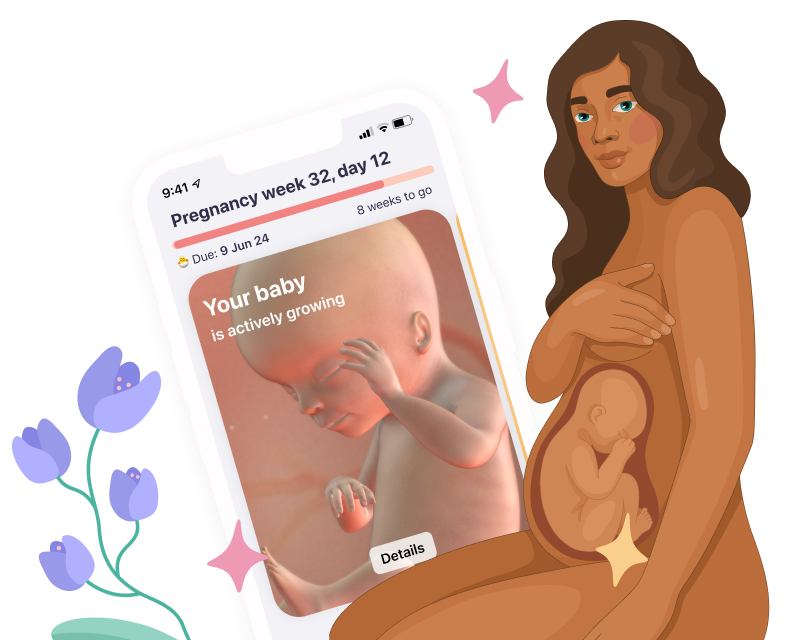
An AI pregnancy app helps track fetal growth, manage appointments, and share personalized tips. Apps like What to Expect highlight strong demand in this space. Advanced features like nutrition advice and contraction tracking add value. This niche offers stable growth and high user trust.
Rank 8) AI-Powered Habit-Building App
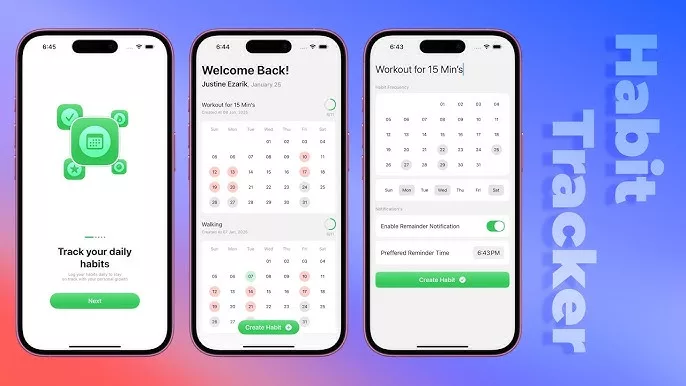
This app helps users build better habits using AI-based routine tracking, smart reminders, and motivation. Apps like Quantum Fit show strong interest in habit tools. With growing focus on productivity and self-growth, this app appeals to a wide audience and supports long-term engagement in 2026.
Rank 9) AI-Based Women’s Safety App
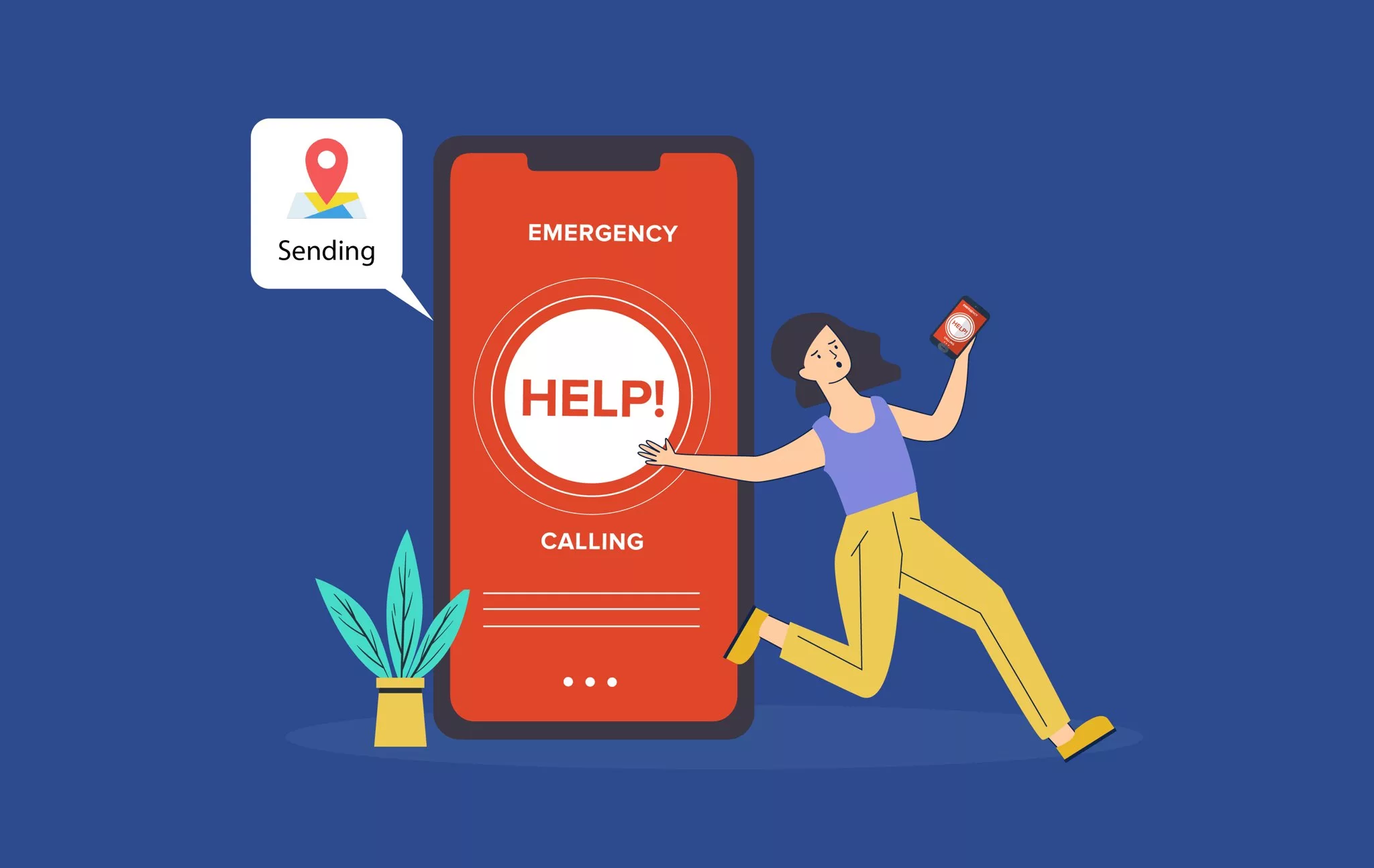
An AI-powered women safety app focuses on prevention and quick response. Features include live location sharing, emergency alerts, and AI-based risk detection in unsafe situations. Apps like bSafe highlight the importance of these tools. As awareness around women’s safety increases worldwide, this app meets both social impact and business goals. It offers strong adoption potential, especially in urban areas, with monetization through premium safety features and partnerships.
Rank 10) AI-Based Sleep Monitoring App
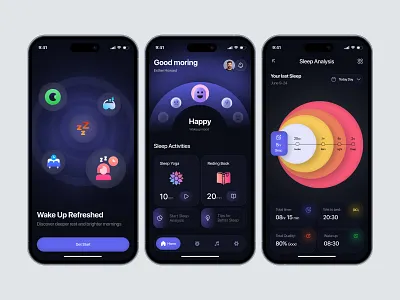
An AI sleep monitoring app tracks sleep cycles, detects issues like insomnia, and provides personalized tips to improve rest. It analyzes patterns using sensors and wearable data for accurate insights. Apps such as Sleep Cycle and Pillow show strong user interest. With growing focus on mental and physical health, sleep technology is in high demand. This app attracts health-conscious users and supports recurring revenue through subscriptions and advanced sleep reports.
11) AI-Based Stress Management App
An AI-based stress management app helps users manage daily stress through guided meditation, breathing exercises, and mood tracking. The app adapts to each user by analyzing behavior, stress patterns, and usage habits. Apps like Calm and Headspace prove strong demand for digital mental wellness tools. With growing mental health awareness and work-related stress, this app idea supports emotional well-being while offering steady growth through subscriptions and premium features.
12) AI-Driven Medical Record Organizer
This AI-driven app helps users organize medical records, track doctor visits, manage prescriptions, and receive timely reminders. AI improves data accuracy and makes health information easy to access for users and caregivers. Apps like MyChart show clear demand for digital health management tools. As healthcare moves toward digital-first systems, this app idea improves convenience, patient engagement, and long-term healthcare outcomes.
13) AI-Enabled Chronic Disease Management App
This app supports users managing chronic conditions like diabetes, asthma, or hypertension. It tracks health data, sends personalized alerts, and offers lifestyle suggestions based on real-time inputs. Apps like Livongo highlight the success of such platforms. With chronic illnesses increasing worldwide, this app idea meets a critical healthcare need while offering strong scalability and long-term revenue potential.
14) AI-Powered Yoga Posture Corrector
An AI-powered yoga posture corrector uses computer vision to analyze body movements and provide real-time posture feedback. It helps users improve form, reduce injury risk, and track progress. Inspired by apps like YogaGlo, this idea fits the growing wellness and mindfulness market. As home fitness continues to grow, this app offers high engagement and strong user retention.
Want to know? Yoga App Development Cost
15) AI-Based Baby Cry Translator App
This app uses AI to analyze baby cries and understand needs such as hunger, discomfort, tiredness, or pain. Apps like ChatterBaby have already shown that this idea works in real life. With more busy and first-time parents looking for smart parenting support, this app solves a real daily problem. AI-powered parenting tools offer emotional value, strong user trust, and long-term potential through subscriptions, premium insights, and wearable device integration.
16) AI-Based Hydration Reminder App
This app tracks daily water intake and uses AI to suggest personalized hydration goals based on activity levels, health data, weather, and lifestyle habits. Inspired by apps like Plant Nanny, it fits well with global self-care and digital wellness trends. With features such as smart reminders, progress insights, and wearable integration, this AI wellness app encourages healthy routines, improves user engagement, and offers strong monetization potential through premium plans and health partnerships.
17) AI-Based Telemedicine Consultation App
This app enables virtual doctor consultations while using AI to collect health data, analyze symptoms, and support accurate preliminary assessments. Platforms like Truman show the rising demand for telemedicine solutions. This AI app improves healthcare access, reduces wait times, and supports remote care delivery. With continued digital transformation in healthcare, this scalable solution is ideal for businesses targeting high-impact medical innovation in 2026 and beyond.
18) AI-Driven Personalized Meditation App
An AI-powered meditation app customizes sessions based on stress levels, mood, sleep patterns, and user preferences. Using real-time insights, it adjusts recommendations to deliver better relaxation outcomes. Inspired by apps like Cultiv8, this idea fits perfectly within the growing mental wellness space. As mindfulness becomes essential for modern lifestyles, this app offers strong engagement, subscription revenue, and long-term user loyalty.
19) AI-Powered Allergy Management App
This app helps users manage allergies by identifying triggers, sending real-time alerts, and offering personalized dietary and lifestyle suggestions. Using AI, environmental data, and wearable sensors, it improves daily safety and awareness. Apps like Allergy Amulet validate this concept’s demand. With rising allergy cases and health awareness, this AI health app targets a focused audience and presents a profitable, scalable niche for businesses.
20) AI-Driven Wellness App
This app brings fitness, nutrition, mindfulness, and mental health together on one platform. It offers personalized plans, tracks daily progress, and uses AI analytics to provide smarter health insights. Apps like MyFitnessPal show the strong revenue potential of holistic wellness tools. As users look for simple, all-in-one health solutions, AI wellness app development helps businesses meet long-term demand, improve user retention, and support digital well-being trends.

21) AI-Powered Dating App
This app improves matchmaking by analyzing user preferences, behavior, and profiles to find better compatibility. Platforms like Sensations and Amour already use AI to enhance dating experiences. By offering real-time match suggestions and deeper compatibility insights, AI-powered dating apps meet modern user expectations. Growing demand for smarter, safer, and more meaningful connections makes this a strong opportunity for long-term growth.
22) AI-Enabled Home Decor Suggestion App
This app helps users design and improve their living spaces by analyzing personal style, room size, lighting, and existing decor. Using AI and AR features, users can visualize furniture, colors, and decor items inside their homes before making a purchase.
Apps like Houzz highlight the strong demand for smart interior design tools. With the growing interest in DIY home improvement and online furniture shopping, this app offers strong monetization through brand partnerships, affiliate sales, and premium design recommendations, making it a scalable and practical investment idea.
23) AI-Powered Storytelling App
An AI-powered storytelling app uses artificial intelligence to create personalized stories based on themes, moods, age groups, or user inputs. It can adapt the storyline in real time, making each story unique and interactive. This makes the app ideal for children, parents, educators, and creative writers. Tools like Plot Generator highlight the growing interest in digital storytelling.
This app idea fits both entertainment and education markets, where demand for engaging, customizable content continues to rise. Monetization can include subscriptions, premium story packs, and educational partnerships.
24) AI-Driven Virtual Friend App
An AI-driven virtual friend app offers users a digital companion that can chat, play games, and provide emotional support. Apps like Replika show strong demand for AI companionship, especially among users dealing with loneliness or stress. These apps use natural language processing and emotional intelligence to create meaningful interactions. As mental wellness awareness grows, this app presents both social impact and business value. Revenue models may include premium conversations, customization features, and long-term subscription plans.
25) AI-Based Movie Recommendation App
An AI-based movie recommendation app analyzes user preferences, ratings, viewing history, and mood to suggest movies and shows. By offering highly personalized recommendations, it improves user engagement and satisfaction. Streaming platforms like Netflix already rely on similar AI systems. This app idea allows businesses to target niche audiences, build discovery platforms, or partner with streaming services. Monetization options include ads, affiliate partnerships, and premium recommendation features.
26) AI-Powered Virtual Pet App
This app provides a lifelike virtual pet experience powered by AI that learns from user interactions over time. The pet adapts its behavior, mood, and responses, making each experience feel personal and unique. Features such as voice recognition, emotional reactions, daily care tasks, and health tracking increase engagement.
Inspired by classics like Tamagotchi but built with modern AI, this app appeals to users seeking companionship, relaxation, or entertainment. It can attract gamers, families, and solo users while generating revenue through subscriptions, in-app purchases, accessories, and customization options, ensuring long-term user retention.
27) AI-Based Travel Planner App
An AI-based travel planner app helps users plan trips without stress or long research hours. It creates personalized itineraries based on travel dates, budget, interests, and preferred travel pace. The app suggests hotels, flights, local transport, restaurants, and attractions in one place. With real-time updates, weather alerts, and local tips, it improves the overall travel experience.
Apps like TripIt show how AI can simplify travel planning. As travelers seek smarter and faster planning tools, this app offers strong user retention, affiliate revenue, and premium subscription opportunities, making it a valuable investment for travel-focused businesses.
28) AI-Based Interactive Game Story Creator
This app allows users to create rich, interactive game stories by choosing characters, settings, and plot directions. AI then builds dynamic narratives that change based on user decisions, making each story feel unique. Tools like Twine show the growing interest in interactive storytelling.
This idea appeals to gamers, writers, and creators who want more control over stories without coding skills. As gaming and creative writing continue to blend, this app supports user-generated content, repeat engagement, and monetization through premium story packs and creator tools.
29) AI-Driven Nightlife Discovery App
This app helps users discover events, bars, and clubs by analyzing location, preferences, and social behavior. It offers real-time updates, table reservations, ticket booking, and friend invites to simplify nightlife planning. Inspired by Discotech, the app targets urban users who value social experiences and convenience. AI improves recommendations based on past outings and trends.
For businesses, this creates revenue through partnerships, promotions, and featured listings, making it a strong concept in the local entertainment and discovery market.
30) AI-Powered Book Recommendation App
This app studies reading habits, ratings, and interests to suggest books users are likely to enjoy. It also includes social features like reviews, reading challenges, and book clubs to boost engagement. Platforms like Goodreads prove the demand for personalized book discovery. AI helps users avoid choice overload and find relevant titles faster.
With digital reading on the rise, this app supports niche audiences, publishers, and authors while offering monetization through subscriptions, affiliate links, and premium community features.
31) AI-Driven Hobby Learning Assistant
This app helps users learn hobbies such as cooking, painting, music, or photography through personalized guidance. AI tracks progress, suggests improvements, and adapts lessons to skill level. Inspired by platforms like Skillshare, it focuses on hands-on learning rather than passive videos. Users receive step-by-step feedback and goal-based learning paths.
As interest in self-growth increases, this app serves lifelong learners and creators, offering strong engagement and revenue through premium lessons and expert-led content.
32) AI-Based Virtual Gardening Advisor
This app supports home gardeners by analyzing plant health, soil quality, and weather conditions. AI provides real-time advice on watering, fertilizing, and pest control. Apps like PlantSnap show how AI can simplify plant care. With more people interested in sustainable living and home gardening, this app meets a growing demand. It can integrate with smart devices and sensors, making it attractive to eco-conscious users and businesses focused on green technology.
33) AI-Based Music Recommendation App
This app studies listening habits, mood, and preferences to deliver highly personalized playlists and song suggestions. It can also include tools to generate simple music tracks using AI, helping new creators experiment. Inspired by Spotify, this concept expands personalization into creativity. As AI continues to shape music discovery and production, the app appeals to both listeners and musicians. Monetization options include subscriptions, artist promotions, and premium creation features.
34) AI-Based Calendar App
Calendar app uses AI to manage schedules, suggest ideal meeting times, and send smart reminders. It connects with email, tasks, and work tools to reduce manual planning. Similar to Google Calendar’s AI features, it focuses on saving time and reducing stress. By learning user habits, the app improves productivity over time. This idea targets professionals, teams, and individuals seeking smarter time management, making it a high-demand solution in both personal and business use cases.
35) AI-Based Event Planning Assistant
An AI-based event planning assistant makes organizing events simple and efficient. It helps manage guest lists, recommend venues, schedule timelines, track expenses, and coordinate vendors. By automating planning tasks, the app saves time and reduces stress for users. Platforms like Venue Verse, Redeemed Events, and Party Bands highlight the demand for tech-driven event solutions.
With growing needs for corporate events, weddings, and private celebrations, this app supports both individuals and businesses. Revenue can come from premium tools, vendor partnerships, and subscription plans.
36) AI-Driven Photography Enhancement App
An AI-driven photography enhancement app allows users to edit photos quickly with professional-quality results. It offers features like noise reduction, background removal, smart filters, and automatic retouching. The app learns user preferences to deliver consistent edits. Inspired by tools like Lightroom, it appeals to creators, influencers, and photographers. As visual content demand grows, this app delivers convenience, speed, and quality, creating strong opportunities through paid features, exports, and creator subscriptions.
37) AI-Based Personalized Horoscope App
This app uses AI to create daily, weekly, and monthly horoscopes based on detailed birth chart data and individual user preferences. Advanced algorithms analyze astrology patterns to deliver personalized insights related to career, relationships, finances, and personal growth. Apps like Co–Star highlight the strong demand for astrology-driven experiences.
As more users seek self-discovery and guidance through digital tools, this app fits well into the lifestyle and self-improvement market. Monetization opportunities include premium reports, one-on-one readings, and subscription-based insights. With personalization at its core, an AI-powered horoscope app can build high engagement and long-term user loyalty.
38) AI-Driven Video Generator App
An AI-driven video generator app automates video creation for marketing, education, and internal communication. Using scripts, prompts, or templates, the app generates professional-quality videos with visuals, voiceovers, and animations.
Platforms like Synthesia demonstrate how valuable AI video tools are for businesses and creators. As demand for short-form and long-form video content continues to grow, this app helps reduce production time and costs. It appeals to marketers, educators, and startups looking for fast, scalable video solutions. Revenue can come from subscriptions, export credits, and enterprise plans.
39) AI-Powered Fashion Advisor App
This app acts as a virtual stylist by offering outfit recommendations based on user preferences, body type, weather, and wardrobe data. AI analyzes trends and suggests looks for different occasions while integrating with eCommerce platforms for easy shopping.
Apps like Stylebook and Combyne show rising interest in digital styling. As online fashion shopping grows, this app helps users make confident style choices. It also opens revenue streams through affiliate sales, brand partnerships, and premium styling features, making it a strong blend of fashion and technology.
40) AI-Driven Meal Planning App
An AI-driven meal planning app creates personalized meal plans based on diet preferences, health goals, allergies, and available ingredients. It can connect with grocery delivery services to simplify shopping and reduce food waste.
Apps like Eat This Much validate the demand for smart meal planning. With more users focusing on health, convenience, and time savings, this app fits perfectly into the wellness space. Subscription plans, nutrition coaching add-ons, and brand partnerships make it a scalable and profitable AI app idea.
41) AI-Driven eCommerce Mobile App
An AI-driven eCommerce mobile app uses data to understand user behavior, shopping patterns, and preferences. It recommends the right products, shows personalized offers, and improves product discovery. Features like smart search, AI chatbots, dynamic pricing, and personalized discounts make shopping faster and easier.
Platforms such as Keep Watching and Subsciety reflect the growing demand for curated shopping experiences. For businesses evaluating eCommerce mobile app development cost, this concept fits current market trends. It helps increase conversions, customer loyalty, and repeat purchases while delivering a smoother and more engaging shopping journey.
42) AI-Based Text-to-Speech App
An AI-based text-to-speech app converts written content into natural, human-like audio. It is useful for people with reading difficulties, students, professionals, and users who prefer listening while multitasking. Apps like Speechify have proven strong demand for such solutions.
With better voice quality and language support, these apps are now widely used for learning, content consumption, and accessibility. Businesses can monetize through subscriptions, voice packs, and enterprise licensing. As AI voice technology improves, text-to-speech apps continue to offer steady growth and long-term value.
43) AI-Powered Fintech App
An AI-powered fintech app helps users manage money more efficiently. It offers personalized budgeting tips, spending insights, investment suggestions, and fraud detection. Apps inspired by platforms like Mint show how AI can simplify financial decisions.
For businesses exploring fintech application development cost, this idea offers strong scalability. With rising digital payments and online banking adoption, AI-driven fintech apps meet modern user expectations. They also build trust through smart alerts, secure systems, and data-driven financial guidance.
44) AI-Based Logistics App
An AI-based logistics app improves supply chain operations by optimizing delivery routes, tracking fleets, and predicting delays. It reduces fuel costs, improves delivery speed, and enhances operational efficiency. Solutions like Onfleet highlight the growing need for smart logistics tools.
For companies assessing logistics app development cost, AI-driven platforms provide clear business value. With the rise of eCommerce and on-demand delivery, logistics apps powered by AI help businesses scale faster, reduce errors, and maintain better control over daily operations.
45) AI-Driven Meeting Transcription App
An AI-driven meeting transcription app uses artificial intelligence to convert spoken conversations into accurate, real-time text. It automatically creates clear, shareable meeting notes, making it easier for teams to stay aligned. Advanced features such as speaker identification, voice recognition, multi-language support, and action item tracking add strong value for professionals.
Apps like Otter.ai highlight the growing demand for this type of solution, especially among remote and hybrid teams. By investing in an AI meeting transcription app, businesses can help organizations improve communication, reduce manual note-taking, and maintain better documentation. This app can serve startups, enterprises, educators, and consultants while generating revenue through subscriptions and team-based plans.
46) AI-Driven Task Prioritization App
An AI-driven task prioritization app helps users manage work more efficiently by analyzing deadlines, task dependencies, workload, and user behavior. The app adjusts priorities in real time and provides smart suggestions to improve productivity. Tools like Todoist have already introduced similar features, proving strong market demand. This type of app is ideal for professionals, freelancers, and teams struggling with time management.
As work becomes more fast-paced and remote, an AI task prioritization app can reduce stress, improve focus, and help users complete high-impact tasks first. It also opens monetization options through premium productivity features and business subscriptions.
47) AI-Powered Invoice Management App
An AI-powered invoice management app automates the entire invoice process by extracting data, validating entries, detecting errors, and organizing financial records. It reduces manual work and improves accuracy in billing and payments.
Apps like QuickBooks demonstrate the need for smarter financial tools in modern businesses. This solution is especially valuable for companies handling large volumes of invoices. As demand for financial automation continues to grow, an AI invoice management app offers a scalable and cost-saving solution that improves cash flow, compliance, and operational efficiency.
48) AI-Based Project Management Assistant
This app uses AI to simplify and automate project management tasks. It helps with planning, task assignment, resource allocation, and progress tracking in real time. By analyzing project data, the app can predict delays, identify risks, and suggest smart actions before issues grow. Inspired by tools like Asana, this solution is ideal for teams managing complex workflows. It reduces manual work, improves team productivity, and supports better decision-making.
For businesses, it offers strong ROI by saving time, improving delivery speed, and enhancing collaboration across remote and in-house teams.
49) AI-Enabled Document Summarization Tool
This app uses AI to quickly summarize long documents, emails, contracts, and reports. It helps users understand key points without spending hours reading. Tools like SMMRY highlight the demand for faster content consumption.
The app is especially useful for professionals, students, and enterprises handling large volumes of information daily. It improves productivity, reduces cognitive load, and supports better decision-making. Businesses can scale this solution across industries such as legal, finance, education, and corporate communication with strong recurring usage potential.
50) AI-Based Customer Support Automation App
This app automates customer service using AI-powered chatbots and voice assistants. It handles common queries, support tickets, complaints, and feedback without human intervention. Platforms like Zendesk AI show how automation improves response time and customer satisfaction.
The app learns from past interactions to provide more accurate and personalized responses over time. It helps businesses reduce support costs, improve availability, and deliver consistent service quality. This solution is ideal for growing companies that need scalable, always-on customer support.
51) AI-Based Personal Avatar Chatbot
This app allows users to create a personalized AI avatar that can chat, assist, or entertain. The chatbot can be used for customer support, daily task reminders, mental wellness, or brand interaction. By using natural language and adaptive responses, it feels more human and engaging. Apps like Replika show strong user interest in personalized AI companions.
This idea fits businesses looking to improve engagement, offer 24/7 interaction, and build emotional connection. It also supports monetization through subscriptions, customization features, and enterprise use cases.
52) AI-Powered Sales Forecasting Tool
An AI-powered sales forecasting tool helps businesses predict future revenue by analyzing historical sales data, market trends, customer behavior, and seasonal patterns. It turns complex data into clear, actionable insights that support smarter decision-making. Inspired by platforms like Aviso AI, this type of app improves forecast accuracy and helps sales teams plan targets more effectively.
Beyond predictions, the tool can highlight risks, identify growth opportunities, and suggest strategy adjustments in real time. For businesses focused on scaling revenue and reducing uncertainty, this app delivers strong ROI and long-term value in the sales analytics space.
53) AI-Powered Team Collaboration App
An AI-powered team collaboration app improves how teams work together by combining task management, communication, and smart scheduling in one platform. AI analyzes work patterns, deadlines, and team behavior to suggest workflow improvements and reduce bottlenecks. Tools like Slack with AI features show the growing demand for intelligent collaboration solutions.
As remote and hybrid work models become standard, businesses need smarter tools to maintain productivity, transparency, and engagement. This app idea supports better coordination, faster decision-making, and healthier work dynamics, making it highly relevant for modern organizations.

54) AI-Driven Competitive Analysis Tool
An AI-driven competitive analysis tool tracks competitor pricing, product updates, marketing campaigns, and market positioning in real time. It transforms scattered data into clear insights that help businesses stay ahead of trends and react quickly.
Platforms like Crayon highlight the rising need for competitive intelligence. This app can help companies identify gaps, adjust strategies, and spot new opportunities before competitors do. For fast-moving industries, AI-powered competitive analysis becomes a critical decision-making asset that supports sustainable growth and market leadership.
55) AI-Based Marketing Campaign Assistant
An AI-based marketing campaign assistant helps businesses plan, run, and optimize marketing efforts automatically. It studies audience behavior, campaign performance, and ad data to improve targeting and budget allocation. Inspired by tools like HubSpot AI, this app helps maximize ROI while reducing manual effort. It can suggest content ideas, optimize ad placements, and provide clear performance reports. As marketing becomes more data-driven, this app supports businesses in scaling campaigns efficiently while reaching the right audience at the right time.
Looking for? Best AI Tools For Marketers In 2026
56) AI-Driven Startup Pitch Generator App
An AI-driven startup pitch generator helps founders create strong, investor-ready pitches. It analyzes industry benchmarks, financial data, and investor preferences to offer smart suggestions and improvements. The app can generate pitch decks, refine messaging, and highlight key metrics that investors care about.
With the rise of startups and global funding competition, this tool supports entrepreneurs in standing out. By combining AI insights with easy-to-use templates, the app delivers real value to founders preparing for demos, meetings, and funding rounds.
57) AI-Based Time Tracking and Analytics App
An AI-based time tracking and analytics app helps users understand how their time is actually spent. It automatically tracks activity, groups tasks, and shows clear productivity insights. Users can spot time leaks, reduce distractions, and plan smarter schedules. Inspired by tools like Clockify, this app is ideal for freelancers, remote teams, and growing businesses.
As remote and hybrid work continue to rise, demand for AI-driven productivity tools is growing fast. With features like automated reports, smart reminders, and performance trends, this app offers strong subscription potential and long-term business value.
58) AI-Driven HR Recruitment Assistant
An AI-driven HR recruitment assistant simplifies and speeds up the hiring process. It screens resumes, matches candidates with job roles, and schedules interviews automatically. Using machine learning, it helps identify top talent and reduces hiring bias and delays.
Platforms like DRHR show how effective AI can be in recruitment. This app is valuable for startups, HR teams, and enterprises looking to cut hiring costs and improve decision-making. With talent competition increasing, AI-based recruitment tools are becoming essential for modern hiring strategies.
59) AI-Powered Contract Analysis Tool
An AI-powered contract analysis tool helps businesses review contracts faster and with fewer errors. It scans documents, extracts key clauses, flags risks, and suggests improvements. This reduces manual legal work and improves accuracy.
Tools like Evisort prove the growing demand for legal tech solutions. This app is especially useful for enterprises, legal teams, and startups handling frequent agreements. As businesses focus on efficiency and compliance, AI-based contract tools offer high value, scalability, and recurring revenue opportunities.
60) AI-Based Supply Chain Optimization App
An AI-based supply chain optimization app helps businesses manage inventory, demand forecasting, and logistics more efficiently. It analyzes real-time data to predict demand, reduce waste, and cut operational costs. Inspired by platforms like Blue Yonder, this app supports better planning and faster decisions. With global supply chains becoming more complex, companies need smarter tools to stay resilient. This app offers strong potential in manufacturing, retail, and logistics through data-driven insights and automation.
61) AI-Powered Virtual Tutor
One of the most promising AI app ideas for 2025, AI-powered virtual tutors are changing how students learn. These apps offer 24/7 personalized learning support. Using generative AI in education, virtual tutors track student performance, build custom study plans, and give instant feedback. With AI in eLearning, they deliver interactive lessons, smart quizzes, and clear explanations. This improves understanding, boosts engagement, and supports consistent learning across different subjects and skill levels.
62) AI-Powered Language Learning Coach
An AI-powered language learning coach helps users improve speaking and writing skills faster. It offers real-time pronunciation correction, grammar feedback, and adaptive lesson plans. Using AI speech analysis and chat-based practice, learners gain confidence through personalized courses, fluency exercises, and progress tracking.
These apps are ideal for students, professionals, and travelers seeking flexible, self-paced language learning with measurable results and global accessibility.
63) AI-Driven Adaptive Learning Platform
AI-driven adaptive learning platforms personalize education by tracking student behavior and performance. The system adjusts lesson difficulty, content flow, and practice tests in real time. Powered by generative AI, these platforms create smart quizzes, recommend learning resources, and deliver instant feedback. This approach improves engagement, learning speed, and outcomes for schools, training programs, and online education businesses.
64) AI-Powered Career Guidance App
AI-powered career guidance apps support students and professionals in making informed career decisions. These apps analyze skills, interests, and experience to suggest suitable career paths and learning plans. By using real-time job market data, AI matching, and personalized insights, platforms like PathMatch and CareerExplorer help users stay competitive, improve job readiness, and plan long-term career growth with confidence.
65) AI-Based Homework Assistant
Among the most practical artificial intelligence app ideas, AI-based homework assistants help students finish assignments faster and with better clarity. These apps use AI in eLearning to break down complex questions, explain concepts step by step, and suggest accurate solutions in real time.
When combined with eLearning app development services, they reduce dependency on tutors and support independent learning. Platforms like Photomath and Brainly show how scanning problems and AI-powered guidance can improve learning outcomes.
66) AI-Driven Research Paper Summarizer
A must-have idea in modern AI applications, AI-driven research paper summarizers help users quickly understand complex academic content. These apps use AI-powered content analysis to extract key insights, highlight important sections, and generate concise summaries. Widely used in education and research, tools like Scholarcy and Semantic Scholar allow students, researchers, and professionals to save time while improving comprehension. Features such as auto-generated citations, keyword extraction, and note organization make these apps highly valuable for academic productivity and long-term learning efficiency.
67) AI-Powered Scholarship Finder
A strong concept in AI app innovation, AI-powered scholarship finder apps simplify how students discover financial aid opportunities. Using advanced education software development and AI matching algorithms, these apps scan thousands of scholarships and grants to recommend the best options based on eligibility. Platforms like Scholly and Fastweb automate searches, track deadlines, and send alerts. By reducing manual effort and stress, these apps support accessibility, improve funding success rates, and deliver real value to students worldwide.
68) AI-Driven Exam Preparation Assistant
An AI-driven exam preparation assistant helps students study smarter, not longer. It creates personalized study plans, generates AI-based quizzes, and tracks performance over time. By analyzing weak areas, the app adjusts learning strategies automatically.
Platforms like Quizlet and PrepAI show how AI-powered mock tests and progress tracking improve results. These apps are ideal for competitive exams, school tests, and professional certifications, making them highly valuable and scalable.
69) AI-Powered Study Plan Generator
AI-powered study plan generators help learners manage time better and reduce stress. These apps create smart schedules, prioritize subjects, and adapt plans based on progress and deadlines. Using learning analytics and generative AI, the study plan updates automatically as performance changes. This makes it useful for students, working professionals, and exam aspirants. The growing demand for flexible, self-paced learning makes this app idea practical, affordable, and easy to monetize.
70) AI-Based Virtual Science Lab
AI-based virtual science labs allow students to perform experiments digitally using realistic simulations. These apps support subjects like physics, chemistry, and biology without the need for physical labs. Platforms such as Labster and PraxiLabs show how interactive experiments improve understanding. This idea is especially useful for remote learning, schools with limited resources, and global education platforms seeking cost-effective lab solutions.
71) AI-Powered Public Speaking Coach
AI-powered public speaking coach apps help users improve confidence and communication skills. They analyze speech, tone, clarity, pace, and body language in real time. Using AI feedback, users can practice presentations and receive actionable suggestions. Platforms like Orai and Yoodli show strong demand. This app suits students, professionals, and leaders preparing for interviews, meetings, and public talks.
72) AI-Driven Handwriting Recognition App
AI-driven handwriting recognition apps convert handwritten notes into digital text with high accuracy. These apps help students organize notes, improve writing clarity, and store content digitally. By analyzing handwriting patterns, AI can also provide feedback for learning improvement. This solution is useful for classrooms, exam preparation, and note-taking apps. Its simplicity, daily usage, and education focus make it a strong and practical AI app idea.
73) AI-Powered Text-to-Speech for Education
AI-powered text-to-speech apps convert textbooks, notes, and documents into natural-sounding speech. These apps improve accessibility for visually impaired users, language learners, and auditory learners. With voice customization and adaptive speed control, learning becomes more inclusive. Top AI app development companies have built AI solutions for eLearning platforms. This app idea supports inclusive education and offers strong long-term demand.
74) AI-Driven Classroom Engagement Analyzer
AI-driven classroom engagement analyzers help teachers understand student attention and participation in real time. These tools track behavior, facial expressions, and interaction patterns to improve teaching methods. Platforms such as GoGuardian and Merlyn Mind already use AI insights for classrooms. This app supports data-driven teaching and improves learning outcomes in both online and physical classrooms.
75) AI-Powered Interactive Learning Games
Among the most engaging AI app ideas, AI-powered interactive learning games combine gamification with adaptive AI to deliver personalized education. These apps adjust difficulty based on student performance, track progress in real time, and improve engagement. By using generative AI in education, they support smarter learning paths, better retention, and more enjoyable study experiences across age groups and subjects.
76) AI-Based Teacher’s Grading Assistant
AI-based grading assistants automate assignment evaluation and reduce manual effort for teachers. These tools analyze written responses, detect errors, and provide consistent, unbiased feedback. Powered by generative AI, they improve grading accuracy, save time, and allow educators to focus more on teaching quality, student support, and curriculum planning.
77) AI-Powered Personalized Reading Assistant
AI-powered reading assistants help students improve pronunciation, comprehension, and reading fluency through speech analysis. These apps offer interactive reading sessions, AI-generated quizzes, and vocabulary practice. Especially useful in special education, they support different learning speeds and styles while building confidence and stronger language skills over time.
78) AI-Powered Parent-Teacher Communication Assistant
This AI-powered parent-teacher communication assistant is a smart Artificial Intelligence app idea designed to simplify school interactions. It automates academic updates, progress reports, and instant alerts, reducing manual effort for educators. Built using education software development, the app can send reminders, schedule meetings, and share personalized student insights.
By improving clarity and response time, it strengthens parent involvement, saves teachers time, and supports better student outcomes across schools, coaching centers, and digital learning platforms.
79) AI-Powered Psychotherapy Training App
This AI-powered psychotherapy training app is an advanced Artificial Intelligence app idea focused on skill development. It uses AI to simulate realistic therapy sessions, allowing trainees to practice counseling in interactive environments.
With AI agent development, the app provides adaptive feedback based on user responses. It helps students and professionals refine communication, empathy, and decision-making skills, making it valuable for training institutes, universities, and mental health organizations seeking scalable learning solutions.
80) AI-Driven Concept Visualization Tool
AI-driven concept visualization tools turn complex topics into interactive diagrams and 3D models. Using generative AI in education, these apps simplify abstract ideas in subjects like science and math. Visual learning improves understanding, boosts engagement, and helps students grasp difficult concepts faster and more effectively.
81) AI-Powered Debate & Argumentation Trainer
AI-powered debate trainers help students sharpen critical thinking and communication skills. These apps analyze arguments, highlight strengths and gaps, and provide structured feedback. Using generative AI, they support logical reasoning, persuasive writing, and confident expression, making them valuable for academic, professional, and leadership development.
82) AI Smart Parking App
This AI smart parking app solves modern urban parking problems by showing real-time availability of parking spaces. Using AI development, the app analyzes both live and historical data to predict where parking spots are likely to open. It guides drivers to the best nearby options, saving time and fuel. This solution also helps reduce traffic congestion, lower emissions, and improve city mobility for daily commuters and travelers.
83) AI Sports Betting App
This advanced AI sports betting app uses artificial intelligence to study large volumes of data such as team stats, player form, past results, and live match trends. By using Generative AI, platforms like Sportsmex can model different match scenarios and predict possible outcomes. This helps users make smarter, data-backed betting decisions. The app improves accuracy, reduces guesswork, and creates a more strategic betting experience, appealing to users who prefer informed choices over pure chance.
84) AI-Driven Personal Finance Manager
This AI-powered personal finance manager helps users take control of their money through smart analysis of income, expenses, and spending habits. The app predicts future costs, suggests budgets, and offers personalized financial insights. By using advanced AI models and expert-backed logic, it supports better saving, smarter spending, and long-term financial planning, making it ideal for individuals and small businesses seeking financial clarity.
85) AI-Based Messaging Enhancement App
This AI-driven messaging app upgrades everyday chats by letting users send expressive, visually rich messages. It supports photos, stickers, GIFs, voice notes, and hand-drawn elements, all enhanced through smart AI suggestions. Built using AI agent technology, the app adapts to user behavior and preferences. It appeals strongly to younger audiences who value creativity, personalization, and fun, while also opening monetization paths through premium themes, effects, and custom packs.
86) AI-Based Language Translation App
This AI-powered translation app enables real-time conversations across different languages. Using generative AI, it delivers accurate, context-aware translations for text, voice, and chat-based communication. The app supports global collaboration, travel, and remote work. With increasing cross-border interactions, such tools reduce language barriers, improve understanding, and offer scalable value for both personal and business communication needs worldwide.
We have listed! Most Popular AI Apps For Daily Use
87) AI-Enhanced E-Learning Platform
This AI-based learning platform adapts educational content to each learner’s pace, goals, and learning style. Using intelligent AI agents, it offers interactive lessons, quizzes, progress tracking, and personalized feedback. The platform improves engagement and retention for students and professionals. As digital education grows, AI-driven personalization helps deliver better outcomes and creates long-term value for learners and institutions alike.
88) AI-Powered Virtual Interior Designer
This AI interior design app helps users plan and visualize spaces before making real changes. With generative AI, it creates realistic room layouts, suggests furniture placement, and recommends color combinations. Users can experiment with styles, budgets, and layouts easily. This app saves time, reduces design errors, and appeals to homeowners, renters, and designers seeking quick, visual inspiration.
89) AI-Driven Mental Health Support App
This AI mental health app provides personalized emotional support through mood tracking, self-care tools, and guided coping techniques. It adapts to user behavior and emotional patterns to offer relevant insights. With optional integration from professional support services, the app promotes accessibility, privacy, and early intervention. It addresses growing mental health needs while offering meaningful social impact and sustainable growth opportunities.
90) AI-Powered Content Creation Tool
This AI content creation app helps writers and marketers create better content faster. It generates topic ideas, drafts articles, improves readability, and optimizes content for SEO. Using generative AI, the tool adapts to trends and audience intent. It boosts productivity, reduces manual effort, supports content teams, and helps businesses publish consistent, high-quality content at scale across multiple digital channels.
91) AI-Powered Personal Shopping Assistant
This AI app offers smart shopping support by analyzing user preferences, browsing behavior, and past purchases. It recommends products that match personal style, budget, and current trends. The app improves the buying experience, saves time, and increases satisfaction. Retailers also benefit through higher conversions, better engagement, and personalized marketing opportunities across platforms.
92) AI-Driven Supply Chain Management App
This AI-based app improves supply chain operations by forecasting demand, tracking inventory, and detecting risks early. It helps businesses avoid delays, reduce waste, and control costs. By using real-time data and predictive analytics, companies can make faster decisions, improve delivery timelines, strengthen vendor planning, and enhance overall operational efficiency.
93) AI-Based Disaster Prediction and Management App
This AI app analyzes weather, geological, and environmental data to predict disasters like floods, earthquakes, and hurricanes. It sends early alerts, safety steps, and evacuation guidance. Such apps help governments and communities prepare better, reduce damage, save lives, and improve emergency response planning through data-driven insights and timely action.
94) AI-Enhanced Recruitment Platform
This AI-powered hiring platform matches candidates with roles based on skills, experience, and work culture. It automates resume screening, reduces bias, and speeds up recruitment. Businesses benefit from better hiring decisions, lower costs, and higher retention. Candidates also enjoy a smoother, fairer, and more transparent hiring experience.
95) AI-Powered Legal Research Assistant
This AI-driven legal assistant helps lawyers and legal teams review case laws, statutes, and complex legal documents in less time. It quickly surfaces relevant insights, improves accuracy, and reduces manual effort. By working with experienced AI consulting partners in the USA, this app can support faster case preparation, better compliance checks, and smarter legal decision-making for modern law firms and enterprises.
96) AI-Powered Employee Wellness App
This AI-based wellness app supports employee health through personalized fitness, nutrition, and mental well-being programs. It adjusts recommendations based on user behavior, stress levels, and progress. Built using AI agent development, the app helps companies reduce burnout, improve productivity, and create a healthier workplace culture with long-term engagement and measurable outcomes.
97) AI-Based Personalized Nutrition App
This nutrition-focused AI app delivers custom meal plans and dietary guidance based on health goals, lifestyle, and food preferences. Using generative AI, the app evolves with the user, adapting suggestions over time. It encourages healthier habits, supports weight management, and opens revenue opportunities through premium plans and health partnerships.
98) AI-Driven Agricultural Advisory App
This AI-powered farming app provides data-driven guidance to farmers by analyzing weather, soil conditions, and crop patterns. It delivers real-time insights to improve yield, reduce waste, and support sustainable practices. Generative AI enables localized recommendations, making advanced farming knowledge accessible to small and rural farmers.
99) AI-Powered Environmental Monitoring App
This app uses AI to track environmental factors such as air quality, water safety, and noise pollution. It provides real-time alerts and actionable insights for individuals, communities, and organizations. Developed with expert AI app development teams in the USA, it supports public health, sustainability goals, and smarter environmental planning.
Looking for? Weather App Development Cost
100) AI-Based Legal Document Analyzer
This AI-powered web application helps legal professionals review contracts and legal documents with speed and precision. It identifies risks, highlights compliance gaps, and flags critical clauses automatically. By using advanced AI development techniques, the app reduces manual review time, improves accuracy, and supports better legal decisions. It is especially valuable for law firms and enterprises managing large volumes of contracts while maintaining consistency and regulatory compliance.
101) AI-Driven Virtual Influencer Platform
This AI-based platform creates and manages virtual influencers for marketing and digital entertainment. Using generative AI, it builds realistic digital personalities that engage audiences across social platforms. Brands can use these influencers for consistent messaging, lower campaign costs, global reach, and creative storytelling without human limitations.

How Much Does It Cost to Develop an AI App for Business?
The cost to develop an AI app for a business depends on several key factors, such as the app’s complexity, the industry it serves, the features required, and the expertise of the development team. Each of these elements directly impacts development time and overall investment. Below is a clear breakdown of pricing tiers based on app complexity, core features, and real-world use cases to help businesses plan their budgets effectively.
| App Complexity Level | Key Features Included | Estimated Cost Range | Examples |
|---|---|---|---|
| Basic AI App | Rule-based AI, basic automation, simple UI, limited integrations. | $30,000 – $50,000 | Chatbots, AI content tools, basic analyzers |
| Mid-Level AI App | Machine learning models, APIs, dashboards, cloud hosting. | $50,000 – $150,000 | Recommendation engines, fitness AI apps, HR tools |
| Advanced AI App | Generative AI, predictive analytics, security, multi-platform support. | $150,000 – $300,000+ | Healthcare AI, fintech platforms, legal AI systems |
Final Say
AI-powered apps are transforming industries and creating new growth opportunities for businesses in today’s fast-moving digital world. By automating processes and offering highly personalized user experiences, AI solutions help improve efficiency, optimize workflows, and increase customer satisfaction across sectors.
Whether you are building an AI-based fitness app, a fintech platform, or a smart eCommerce solution, bringing AI app ideas to life can set your business apart as an innovation leader. Working with an experienced AI consulting company ensures smooth integration, scalable architecture, and technology tailored to your goals.
This is the right time to tap into AI’s full potential. With the right AI integration partner, you can turn your concept into a future-ready app that meets user needs, adapts to market trends, and supports long-term business growth.
Frequently Asked Questions
Below are common questions that help explain AI app development, its real-world impact, and why AI-powered applications are becoming essential across industries. This section offers practical clarity for founders, businesses, and decision-makers exploring AI-driven solutions.
What Are AI Agents in Mobile Applications?
AI agents are smart, autonomous programs built into mobile apps to perform tasks without constant user input. They help with scheduling, data lookup, reminders, and customer support. These agents improve efficiency, reduce manual effort, and create smoother, more responsive app experiences.
How Can Businesses Benefit from AI App Development?
AI app development helps businesses automate processes, personalize user journeys, and improve engagement. AI-driven apps boost productivity, reduce costs, and offer smarter insights. This leads to better customer satisfaction, faster decisions, and a strong competitive edge in digital markets.
How Do AI Development Companies in the USA Drive AI App Innovation?
AI development companies in the USA lead innovation by offering advanced AI app development services like machine learning, automation, and data analytics. They provide AI consulting and AI agent development to build virtual assistants, predictive tools, and automation systems tailored to business needs across industries.
How Can AI-Powered Apps Improve Customer Service?
AI-powered apps improve customer service through chatbots and virtual assistants that handle queries instantly. They offer 24/7 support, faster issue resolution, and consistent responses. Enterprise AI chatbot solutions help businesses reduce workload while improving customer experience and response time.
How Can I Ensure My AI App Is Scalable and Future-Proof?
To make an AI app scalable, use cloud infrastructure, modular design, and flexible architecture. Regular updates and feature upgrades are essential. Partnering with experienced enterprise AI solution providers helps ensure long-term performance, adaptability, and readiness for future technology changes.
Are AI-Powered Apps Secure for Sensitive Data?
AI-powered apps can be secure when built with encryption, secure access controls, and regular security audits. Compliance with standards like GDPR and HIPAA is essential. Working with trusted enterprise AI providers ensures strong data protection and user trust.
How Can I Monetize My AI App?
AI apps can earn revenue through subscriptions, in-app purchases, ads, or licensing models. B2B AI apps often follow SaaS pricing with custom plans. Choosing the right monetization strategy depends on target users, app value, and long-term growth goals.
What Are the Future Trends of AI Apps?
Future AI app trends include generative AI, real-time personalization, ethical AI, and deeper automation. Adoption will grow across healthcare, education, finance, and enterprise apps. Smarter human-AI collaboration will shape more intelligent, responsible, and user-focused applications.
What Are AI App Ideas and How Do They Transform Industries?
AI app ideas are concepts for apps that use artificial intelligence to automate work, personalize user experiences, and handle complex tasks. These ideas are changing industries like healthcare, finance, retail, and logistics by improving speed, accuracy, and smarter decision-making. AI apps help businesses reduce costs, scale faster, and deliver better services while adapting quickly to user needs and market changes.
What Are the Top AI App Ideas for 2026?
Top AI app ideas for 2026 include AI-powered virtual influencers, employee wellness platforms, legal document analysis tools, smart recruitment systems, and AI-based content creation apps. These ideas focus on automation, personalization, and efficiency. As businesses seek smarter digital solutions, these AI apps are expected to see strong demand, faster adoption, and long-term growth across multiple industries.
What are the top AI app ideas for 2026?
Top AI app ideas for 2026 include personalized AI assistants, AI-powered health and fitness apps, smart learning platforms, productivity automation tools, and generative AI apps for content creation. These apps focus on personalization, efficiency, and improved user experiences across multiple industries.
Are AI health and fitness apps a good idea for 2026?
Yes, AI health and fitness apps will see strong demand in 2026. Apps offering personalized workouts, mental wellness support, diet tracking, and real-time health insights help users build healthier routines using data-driven recommendations.
Will AI-powered education apps grow in 2026?
AI-powered education apps are expected to grow rapidly in 2026. Adaptive learning platforms, AI tutors, and personalized study plans allow students to learn at their own pace, improving outcomes and accessibility.
Is investing in AI productivity apps worth it?
Investing in AI productivity apps is worthwhile as businesses and individuals look for tools that save time. AI task managers, workflow automation, and smart scheduling apps improve focus and overall productivity.
What role will generative AI apps play in 2026?
Generative AI apps will play a major role in 2026 by enabling fast creation of text, images, videos, and music. These tools support creators and businesses by boosting creativity while reducing manual effort.
Are AI apps suitable for startups in 2026?
AI apps are highly suitable for startups in 2026. Many ideas can begin with a niche problem and scale over time, making it easier for startups to test, grow, and adapt to market demand.
Which AI apps will be most profitable in 2026?
AI apps in healthcare, fintech, education, marketing automation, and content creation are expected to be the most profitable in 2026 due to high user demand and recurring revenue potential.
How Will AI Reshape Mobile Apps in the Next Five Years?
AI will reshape mobile apps through no-code development tools, real-time personalization, AI-driven user experience automation, and intelligent virtual agents. Apps will become easier to build, more adaptive, and highly user-focused. Human-AI collaboration will also grow, allowing apps to assist users in decision-making while keeping experiences simple, intuitive, and accessible for everyone.
What Is No-Code AI Development?
No-code AI development allows people to build AI-powered apps without deep technical skills. These platforms use visual tools, pre-built models, and drag-and-drop features. This approach lowers development costs, speeds up time to market, and enables startups and businesses to experiment, test ideas, and launch AI apps faster with fewer resources.
How Does AI Enable Real-Time Personalization in Mobile Apps?
AI enables real-time personalization by analyzing user behavior, preferences, and interactions as they happen. Apps can instantly adjust content, recommendations, and layouts to match user needs. This leads to better engagement, higher retention, improved satisfaction, and more meaningful experiences that feel tailored, relevant, and responsive at every stage.