
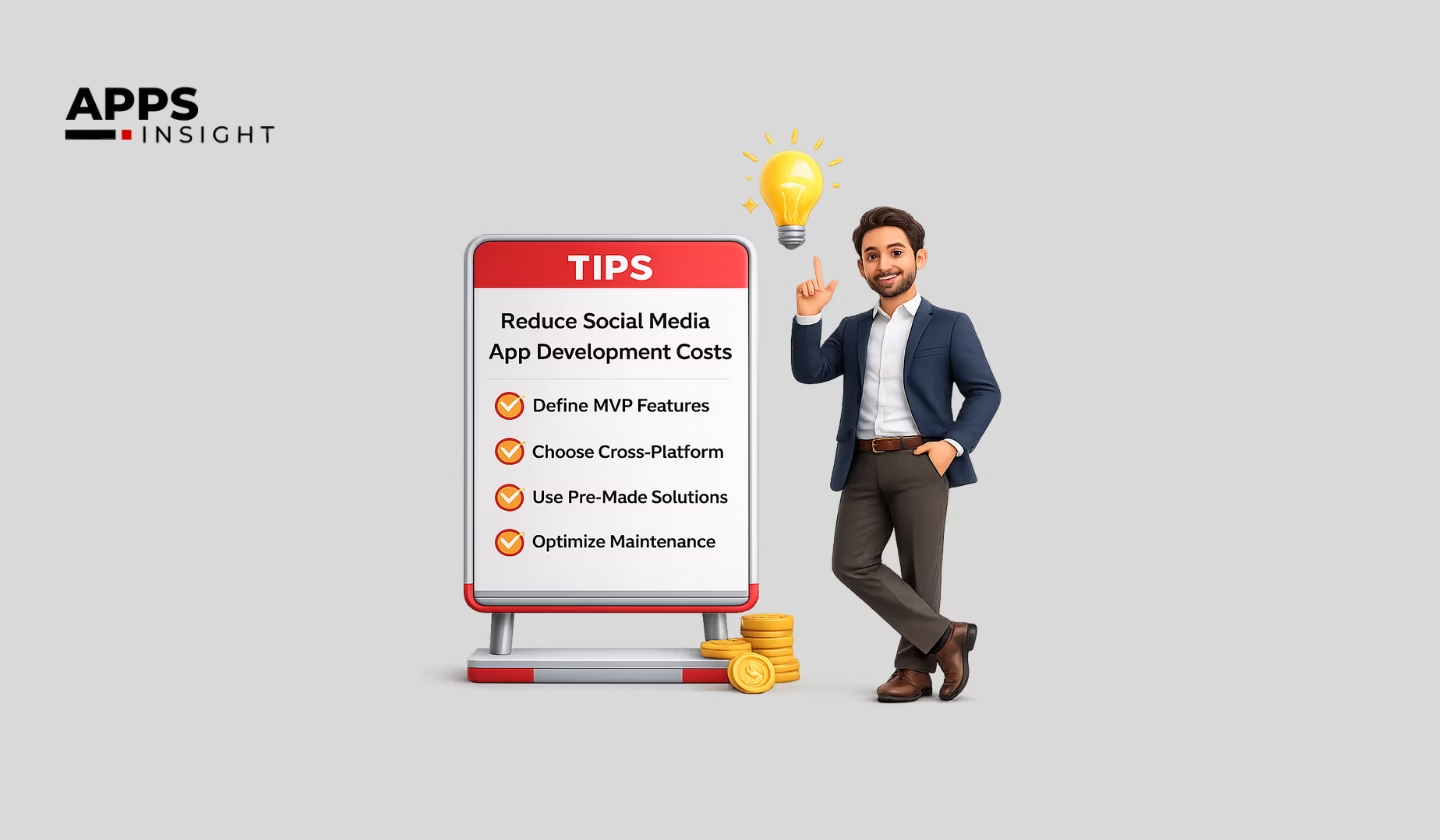
Building a social media application can be expensive, but reducing expenses does not mean compromising quality. The most effective way to Reduce Social Media App Development Costs is to plan carefully, focus on essential features, use the right development approach, and avoid common mistakes that lead to rework. Businesses that make informed decisions early in the process often launch reliable applications while staying within budget.
Social media applications have become an important part of how people communicate, share content, and build communities online. From niche networking platforms to large-scale content-sharing apps, businesses continue investing in social media products because of growing user demand. However, development costs can quickly increase when projects lack proper planning.
Understanding where costs come from and how to manage them can help companies create a high-quality product without unnecessary spending. This guide explains ten practical strategies that help businesses control expenses while maintaining performance, security, and user experience.
Why Social Media App Development Costs Are Rising
Modern social media applications are much more complex than they were a decade ago. Users expect instant messaging, video sharing, live streaming, push notifications, content recommendations, and strong security features.
At the same time, businesses must support multiple devices, operating systems, and user groups. Development teams also need to ensure data protection, scalability, and compliance with privacy regulations.
The growth of social media platforms in the USA has increased competition, encouraging companies to add more features to attract users. While these additions improve functionality, they can also significantly increase development expenses.
Before looking at cost-saving strategies, it is important to understand the factors that influence project budgets.
Understanding the Main Cost Drivers
Several elements affect the overall development budget:
- Feature complexity
- Design requirements
- Platform selection
- Backend infrastructure
- Security implementation
- Testing and quality assurance
- Maintenance and updates
- Team size and expertise
The overall Social Media App Development Cost depends largely on how these factors are managed throughout the project lifecycle.
10 Ways to Reduce Social Media App Development Costs Without Sacrificing Quality
1) Start With a Clear Product Vision
Many projects exceed their budget because requirements change repeatedly during development. Before development begins, define:
- Target audience
- Core purpose of the app
- Primary features
- Business goals
- Success metrics
A detailed project roadmap helps developers understand expectations from the start. This reduces confusion, prevents unnecessary feature additions, and minimizes expensive revisions.
For example, if your primary goal is user networking, features unrelated to that objective can be postponed for future updates. A clear vision creates a strong foundation for reducing social media app development costs while keeping development focused.
2) Build an MVP First
An MVP (Minimum Viable Product) includes only the most important features needed to launch and validate an idea. Instead of building every feature at once, launch with:
- User registration
- Profile creation
- Content posting
- Basic interactions
- Notifications
Once users provide feedback, additional functionality can be introduced gradually. This approach reduces initial investment and helps businesses avoid spending money on features users may never use. Many successful platforms started with a simple version before expanding into larger ecosystems.
3) Prioritize Essential Features
One of the biggest reasons development costs increase is feature overload. Businesses often attempt to include every possible functionality during the first release. While this may seem beneficial, it often leads to longer development cycles and higher expenses.
Create three categories:
Must-have features
- User accounts
- Content sharing
- Messaging
- Search functionality
Nice-to-have features
- Video filters
- Advanced analytics
- Community management tools
Future features
- AI-powered recommendations
- Monetization systems
- Premium subscriptions
Prioritization helps teams focus on what delivers immediate value.
4) Choose Cross-Platform Development
Developing separate applications for iOS and Android requires additional time and resources.
Cross-platform frameworks allow developers to create a single codebase that works across multiple platforms.
Benefits include:
- Faster development
- Lower maintenance costs
- Consistent user experience
- Easier updates
Many experienced mobile app developers recommend cross-platform solutions for startups and businesses with limited budgets because they reduce duplication of work.
This strategy is one of the most practical ways to reduce social media app development costs while maintaining functionality across devices.
5) Use Ready-Made Solutions Where Appropriate
Not every feature needs to be built from scratch. Many services already provide:
- Authentication systems
- Payment gateways
- Cloud storage
- Push notifications
- Analytics tools
Using trusted third-party integrations can reduce development time significantly. For example, businesses can integrate the best social media automation tools rather than building complex automation systems internally.
The key is choosing reliable providers with proven security and performance records.
6) Plan Scalable Architecture Early
Some businesses focus only on launch requirements and ignore future growth. This often results in expensive rebuilding when user numbers increase.
A scalable architecture allows applications to handle growth without major redesigns.
Planning early helps avoid:
- Performance bottlenecks
- Server failures
- Database limitations
- Costly migrations
Good architecture may require an initial investment, but it reduces long-term expenses and operational disruptions.
7) Outsource Strategically
Hiring a full in-house team can be expensive, especially for startups.
Strategic outsourcing allows businesses to access specialized expertise without maintaining a large permanent workforce.
Many organizations partner with experienced social media app developers who have already built similar products.
Benefits include:
- Reduced recruitment costs
- Faster project delivery
- Access to experienced specialists
- Flexible team scaling
However, successful outsourcing requires careful vendor selection, clear contracts, and strong communication practices.
8) Invest in UI/UX Research Before Development
Poor design decisions often lead to costly revisions after launch. Conducting user research early helps identify:
- User expectations
- Navigation preferences
- Feature requirements
- Potential usability issues
Creating wireframes and prototypes before coding reduces uncertainty and helps teams make informed design choices.
This approach prevents expensive redesigns later in the development process.
Companies involved in custom app development often prioritize user research because it reduces risk and improves user satisfaction.
9. Automate Testing and Quality Assurance
Manual testing is important, but relying entirely on manual processes can increase costs and slow development. Automation helps identify issues earlier by testing:
- Login functionality
- User interactions
- Performance
- Compatibility
- Security vulnerabilities
Automated testing tools reduce repetitive work and improve consistency. Businesses can also use solutions similar to AI Brand Monitoring Tools that automate large-scale data analysis and monitoring processes.
Finding issues early is much cheaper than fixing them after launch.
10) Maintain Continuous Communication and Project Management
Poor communication frequently leads to misunderstandings, missed deadlines, and additional development costs. Effective project management includes:
- Regular meetings
- Progress tracking
- Requirement reviews
- Clear documentation
- Transparent reporting
When stakeholders and developers remain aligned, projects move forward more efficiently. Strong communication helps businesses reduce social media app development costs by preventing unnecessary changes and delays.
Common Mistakes That Increase Social Media App Development Costs
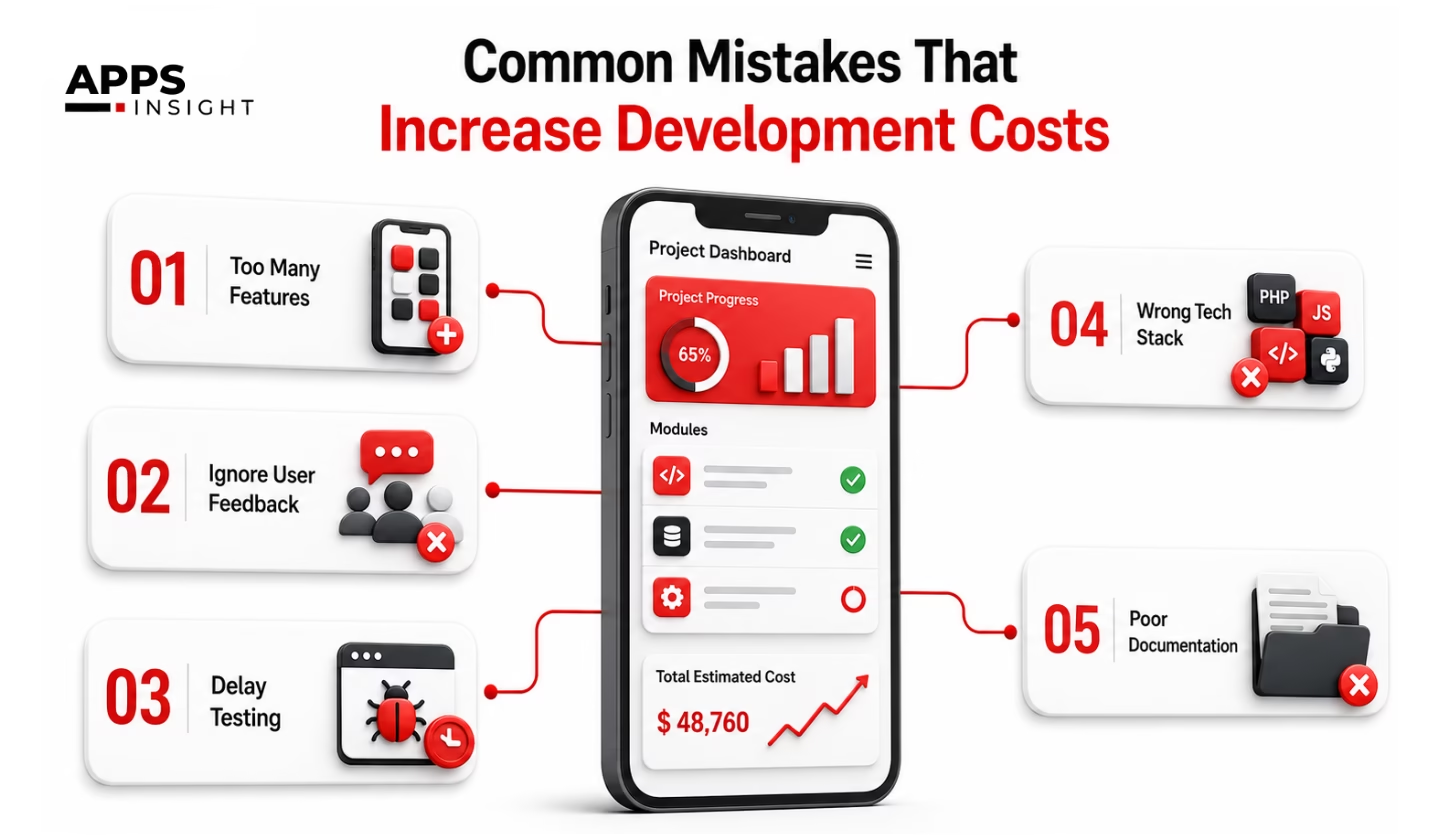
Many businesses focus on reducing expenses during development but unknowingly make decisions that increase costs later. In most cases, budget overruns happen because of poor planning, unclear requirements, or inefficient development processes. Understanding these common mistakes can help businesses avoid unnecessary spending while maintaining app quality.
1) Starting Development Without Clear Requirements
One of the most common reasons development costs increase is beginning the project without clearly defining requirements.
Some companies have a general idea of the application they want but fail to document specific features, user flows, and business objectives. As development progresses, new ideas are added, requirements change, and developers must revise work that has already been completed.
For example, if a business decides to add video-sharing functionality after the messaging system has been built, developers may need to redesign parts of the backend architecture. This additional work increases both development time and cost.
Creating a detailed project scope before development begins helps teams stay aligned and reduces the likelihood of expensive revisions.
2) Trying to Build Too Many Features at Once
Many businesses believe that including every possible feature in the first release will make their app more competitive. However, this approach often leads to longer development cycles, higher costs, and delayed launches.
Every feature requires:
- Development time
- User interface design
- Backend integration
- Testing
- Ongoing maintenance
The more features added to the initial version, the larger the budget becomes.
Instead of building everything at once, businesses should focus on essential features that solve the primary problem for users. Additional functionality can be introduced based on user feedback after launch.
This approach reduces risk and prevents spending resources on features that users may not actually need.
3) Frequent Requirement Changes During Development
Changing project requirements repeatedly can significantly increase development expenses.
When developers complete a feature and later receive instructions to redesign or replace it, the team must spend additional hours modifying existing code. In some cases, even small changes can affect multiple parts of the application.
For example, changing the user registration process midway through development may require updates to databases, authentication systems, user interfaces, and security protocols.
A structured approval process for requirements helps minimize unexpected changes and keeps the project on schedule.
4) Ignoring User Research
Developing an application without understanding user expectations often leads to costly mistakes.
Businesses sometimes assume they know what users want and build features based on internal opinions rather than research. After launch, they discover that users find the app difficult to use or do not engage with certain features.
As a result, teams must spend additional money redesigning screens, improving navigation, or rebuilding functionality.
Conducting surveys, interviews, and usability testing before development begins helps identify user needs early and reduces the risk of expensive redesigns.
5) Choosing the Wrong Technology Stack
The technology stack used for development affects performance, scalability, maintenance, and future development costs.
Selecting technologies solely because they are popular can create problems if they do not align with project requirements.
For example, choosing a framework that lacks community support or experienced developers may increase hiring costs and make future updates more difficult.
Businesses should evaluate factors such as:
- Scalability requirements
- Development speed
- Long-term maintenance
- Security needs
- Available developer expertise
Making informed technology decisions early helps prevent expensive migrations later.
6) Underestimating Testing and Quality Assurance
Some organizations view testing as an area where they can save money. However, skipping or reducing testing often creates much larger expenses after launch.
Undetected bugs can lead to:
- Application crashes
- Data loss
- Security vulnerabilities
- Negative user reviews
- Reduced user retention
Fixing problems after users report them is usually more expensive than identifying issues during development.
A well-planned testing process should include functional testing, performance testing, security testing, and compatibility testing across devices and operating systems.
7) Building Everything From Scratch
While custom-built solutions offer flexibility, creating every component from the ground up can dramatically increase development costs.
Many common features already have reliable third-party solutions available, including:
- User authentication
- Cloud storage
- Payment processing
- Push notifications
- Analytics tools
Developing these systems internally often requires substantial time and resources.
Businesses should evaluate whether existing solutions can meet their requirements before investing in custom development.
8) Poor Communication Between Stakeholders and Developers
Communication issues can lead to misunderstandings that affect both project timelines and budgets.
When stakeholders fail to communicate expectations clearly, developers may build features differently than intended. Correcting these misunderstandings often requires rework, additional testing, and revised project schedules.
Regular meetings, progress reviews, and clear documentation help ensure everyone remains aligned throughout the project.
Strong communication reduces errors and improves overall development efficiency.
9) Neglecting Scalability Planning
Many startups focus only on launching their application and overlook future growth.
While this may reduce initial expenses, it often creates larger costs later. If an application gains popularity, the infrastructure may struggle to handle increased traffic and user activity.
Common scalability issues include:
- Slow performance
- Server overload
- Database limitations
- System downtime
Addressing these problems after launch frequently requires costly architectural changes.
Planning for growth from the beginning helps businesses avoid major redevelopment efforts in the future.
10) Delaying Maintenance and Updates
App development does not end after launch. Applications require continuous updates to remain secure, stable, and compatible with new operating system versions.
Some businesses postpone maintenance to reduce short-term expenses. However, delaying updates can create larger problems, including security risks, performance issues, and user dissatisfaction.
Regular maintenance helps identify small issues before they become major and expensive problems.
11) Hiring Based Only on Cost
Choosing the cheapest development option may seem like a cost-saving decision, but it often leads to lower quality work and additional expenses later.
Inexperienced teams may:
- Produce poor-quality code
- Miss deadlines
- Require extensive revisions
- Create security vulnerabilities
The result is often higher overall costs due to bug fixes, redevelopment, and delayed launches.
When selecting a development partner, businesses should consider expertise, communication skills, portfolio quality, and previous project experience rather than focusing solely on price.
Most development cost overruns are not caused by technology itself but by planning and management mistakes. Unclear requirements, feature overload, inadequate testing, poor communication, and short-term decision-making can significantly increase expenses throughout the project lifecycle.
By identifying and avoiding these common mistakes, businesses can maintain better control over budgets, improve development efficiency, and create high-quality social media applications without unnecessary spending.
Balancing Cost and Quality in Social Media App Development
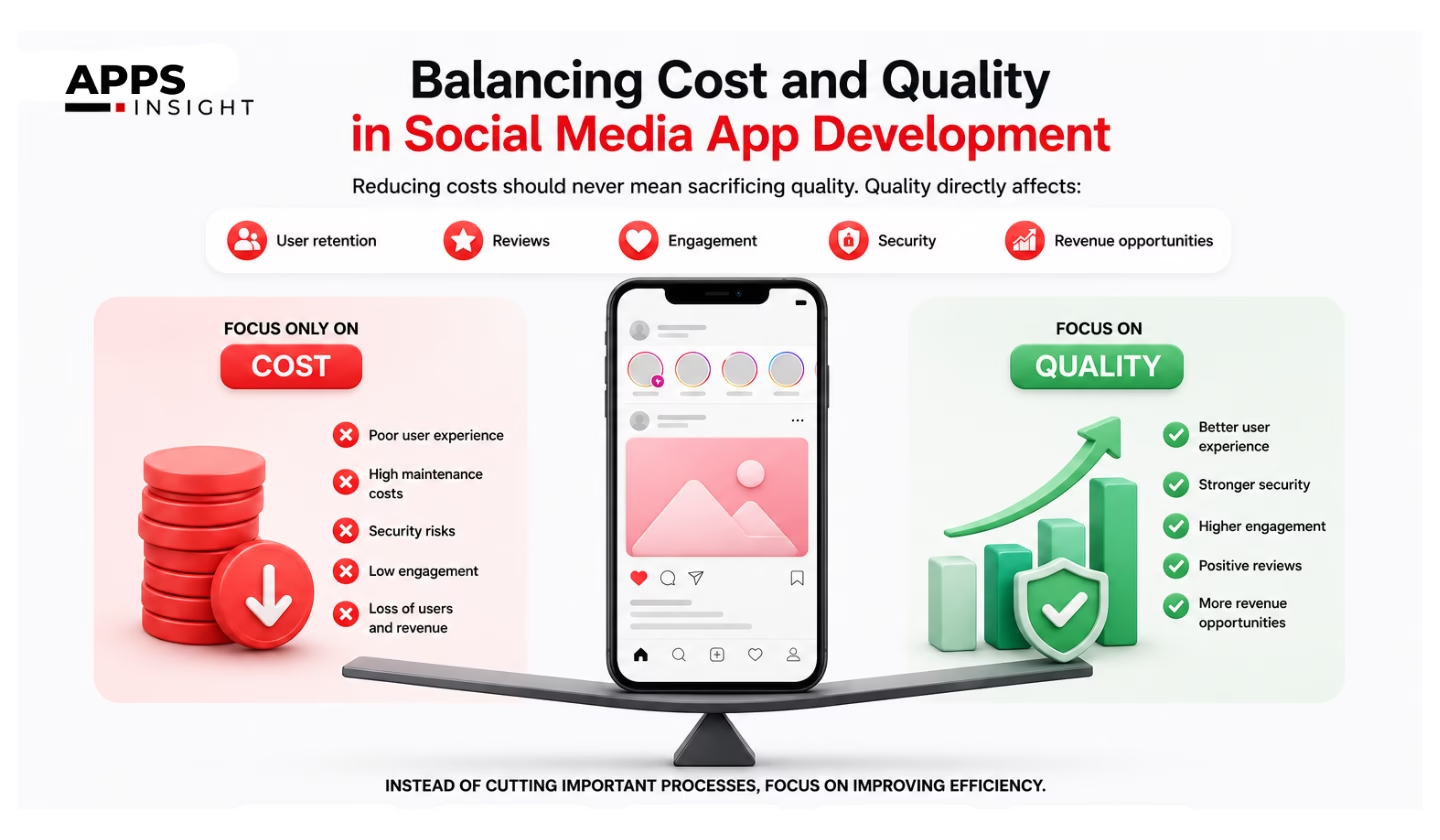
Reducing costs should never mean sacrificing quality. Quality directly affects:
- User retention
- Reviews
- Engagement
- Security
- Revenue opportunities
Instead of cutting important processes, focus on improving efficiency.
For example:
- Use reusable components.
- Prioritize features.
- Automate repetitive tasks.
- Conduct early testing.
- Choose experienced development partners.
Many of the Top Social Media App Developers follow these practices because they help control budgets while maintaining high standards.
Similarly, businesses often use Free AI Tools For Creating Social Media Posts to streamline content workflows without significantly increasing operational costs.
When evaluating development partners, reviewing portfolios from established social media app development companies can help identify teams with relevant experience and proven delivery processes.
Effective mobile app development is not about spending the most money. It is about investing resources where they create the greatest value for users and the business.
For readers looking for more insights, trends, and technology-related resources, AppsInsight provides additional information on app development strategies, emerging technologies, and digital product growth.
Sum up
Reducing development costs while maintaining quality is possible when businesses focus on planning, prioritization, and efficiency. The most successful projects start with clear goals, launch with an MVP, use scalable technology, and maintain strong communication throughout development.
Organizations that carefully manage requirements, automate testing, and leverage existing solutions can significantly Reduce Social Media App Development Costs without affecting performance or user experience.
Rather than viewing cost reduction as cutting corners, businesses should see it as making smarter decisions. A well-planned strategy helps create a reliable social media application that meets user expectations while staying within budget.
Related Queries
How can businesses reduce social media app development costs?
Businesses can reduce social media app development costs by building an MVP, prioritizing essential features, using cross-platform development, automating testing, and planning project requirements before development begins.
What is the biggest factor affecting social media app development cost?
Feature complexity is usually the largest factor affecting development costs because advanced features require more development time, testing, and infrastructure resources.
Does cross-platform development reduce app development expenses?
Yes. Cross-platform development allows developers to use a single codebase for multiple platforms, reducing development and maintenance costs.
Why is an MVP important for social media apps?
An MVP helps businesses validate ideas with real users before investing in advanced features, reducing unnecessary development expenses.
Can outsourcing lower social media app development costs?
Yes. Strategic outsourcing can reduce recruitment and operational costs while providing access to experienced specialists and flexible development resources.
FAQs
What features should be included in a social media app MVP?
A social media MVP should include user registration, profiles, content posting, interactions, messaging, and notifications.
How long does it take to build a social media app?
Development timelines vary depending on complexity, but most projects require several months for planning, development, testing, and deployment.
Is it cheaper to build for Android or iOS first?
Costs are generally similar, but many businesses choose a single platform initially before expanding to both platforms.
Why is testing important for cost control?
Testing identifies issues early, reducing the expense of fixing bugs after launch and improving overall product quality.
How can businesses maintain quality while reducing costs?
Businesses can maintain quality by prioritizing core features, using scalable architecture, automating testing, conducting user research, and following structured project management practices.