


Technology is no longer just a tool for adults. Children grow up surrounded by screens, apps, and devices that shape their habits and understanding of the digital world. As they learn to navigate online spaces, the question of how to protect them from risks becomes a major part of the broader conversation around cybersecurity. Parents, educators, and developers are all asking the same thing: how can technology itself be part of the solution?
This is where the future of kid-friendly tech comes into focus. Devices designed with children in mind, rather than scaled-down versions of adult gadgets, are shaping an entirely new frontier in cybersecurity. These tools do more than block harmful content. They are helping to create healthier habits, teach responsibility, and set the foundation for long-term digital safety.
Early Digital Habits and Lifelong Cybersecurity
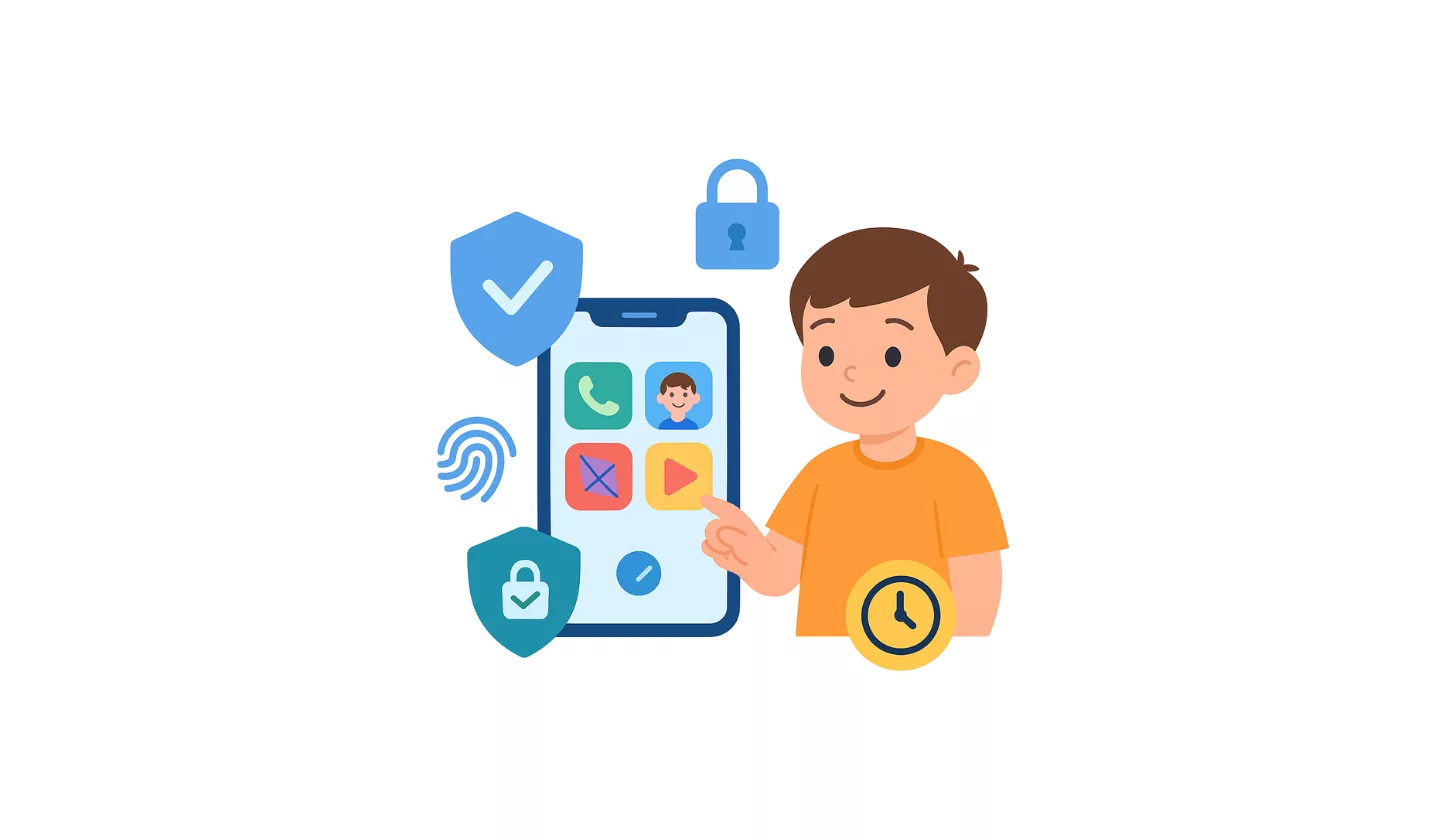
Children who use technology at a young age often carry their digital behaviors into adulthood. For example, a child who learns to use a phone only for messaging family and friends might develop healthier boundaries around communication than one who has unmonitored access to every app available. Early exposure can either increase risk or instill security-conscious practices.
Psychologists have long emphasized that children are especially impressionable during their early and middle school years. That impressionability applies to technology as well. If safe habits are taught alongside usage, children are more likely to grow into adults who recognize phishing attempts, understand privacy risks, and value mindful online behavior.
Parents cannot rely on education alone. Devices themselves must reflect a safe digital environment. This means thinking beyond firewalls and parental controls, and instead focusing on how technology can be intentionally limited to encourage healthier engagement.
Devices Built for Children
Traditional smartphones and tablets often overwhelm children with endless options. Apps designed for adults, push notifications, and addictive features do not consider a child’s developmental needs. Kid-friendly technology offers a different approach, where design focuses on reducing risk rather than maximizing screen time.
For parents exploring safer tech options, there are now phones created specifically for kids that strip away unnecessary functions like app stores and social media. These devices focus instead on essentials such as calling, texting, and GPS tracking, which provide peace of mind without exposing children to addictive platforms.
By limiting functionality in this way, these devices reduce exposure to unsafe interactions and help children learn that technology can be a tool for communication and safety rather than entertainment alone.
The Role of Education in Family Tech Culture
Technology by itself cannot replace guidance from parents and caregivers. Families play a central role in shaping how children use devices, from setting rules about screen time to modeling good behavior. For kid-friendly tech to reach its full potential, it must exist alongside conversations at home.
Children need to understand why certain limits are in place. Explaining the dangers of oversharing, the importance of strong passwords, or the reality of online scams helps them develop critical thinking around their devices. The more they understand, the less those limits feel like punishment and the more they become part of natural digital behavior.
When families use technology intentionally, it becomes part of the household culture. Devices stop being sources of conflict and instead become tools for communication, learning, and bonding. This approach strengthens cybersecurity by reducing risky behavior before it begins.
Why Cybersecurity Needs a Generational Approach
Most cybersecurity systems are designed to protect adults in workplaces, banks, or government systems. However, threats aimed at children are just as real. Online predators, scams, and addictive design patterns can affect children as deeply as financial fraud affects adults.
A generational approach recognizes that protecting children today influences the entire digital ecosystem of tomorrow. If today’s youth grow up with healthy boundaries and better awareness of risks, the next generation of professionals, entrepreneurs, and leaders will be less vulnerable to cyber threats.
Kid-friendly tech becomes a stepping stone for this vision. Shaping how young people engage with technology now creates ripple effects that benefit cybersecurity on a much larger scale.
Benefits of Kid-Friendly Tech for Cybersecurity
Devices made for children offer several benefits that extend beyond immediate safety. Some of the most important include:
- Reduced exposure to harmful content: Limiting app access prevents children from stumbling across unsafe platforms.
- Healthier communication habits: Messaging and calling features promote connection with family and friends without unnecessary distractions.
- Improved digital literacy: Children learn to use technology with intention rather than falling into passive consumption.
- Long-term security awareness: Early positive habits translate into safer online behavior as children grow older.
When combined, these benefits show how child-centered devices are not only protective in the short term but also foundational for lifelong cybersecurity.
Technology and Responsibility for Parents
While developers create safer devices, parents still carry responsibility for how they are used. The most secure phone cannot replace meaningful conversations about respect, safety, and balance. Parents can encourage responsible usage by:
- Setting clear expectations about when and how devices should be used.
- Monitoring activity without invading privacy, fostering trust.
- Modeling healthy tech habits, such as putting phones away during family meals.
By combining intentional parenting with secure devices, families create a stronger line of defense against online risks. This partnership between technology and guidance is the core of sustainable digital safety.
Schools as Partners in Cybersecurity Education
Schools are also stepping into the role of cybersecurity educators. Digital literacy classes are becoming more common, teaching students how to recognize phishing emails, manage passwords, and think critically about online information.
When schools adopt policies that align with family practices, children receive consistent messaging about safety. This reinforces the idea that cybersecurity is not a set of isolated rules but a shared responsibility across different areas of life. Kid-friendly devices at home, combined with cybersecurity education in schools, create a comprehensive system of protection and awareness.
Looking Ahead
The future of kid-friendly technology will likely involve more than restricted phones. Innovations may include wearable devices that teach responsibility, AI-driven tools that adapt to a child’s learning style, and platforms that focus on collaboration rather than consumption.
We may also see technology that helps children gradually transition into more complex devices as they grow. For example, a child might start with a basic phone, then gain access to additional features as they demonstrate responsibility. This staged approach would mirror how children earn privileges in other areas of life, such as driving or managing money.
Cybersecurity researchers and developers are already looking at how to design ecosystems that evolve with the user. By applying these principles to children, technology can grow alongside them without exposing them to unnecessary risks too soon.
Read once! The Role of Cybersecurity in Digital Transformation
Communication, Responsibility, Security
The future of cybersecurity will not only be written in boardrooms or server rooms. It will be shaped around dinner tables, classrooms, and in the devices children use every day. Kid-friendly technology represents a major step forward, ensuring that safety is not an afterthought but a core part of design.
By introducing children to devices that emphasize communication, responsibility, and security, we create the foundation for a safer digital world. Parents, educators, and developers all play their part, but the technology itself is proving that it can support healthier habits.
The next generation deserves a digital environment that protects them while preparing them for the realities of the future, and kid-centered innovations are helping make that possible.
We have listed! Top IT Consulting Solutions to Enhance Your Business’s Cybersecurity