

The iGaming industry is evolving at a rapid pace, driven by technology that is no longer experimental but commercially proven. For operators, platform providers, and suppliers, these innovations are not about novelty—they are about retention, operational efficiency, trust, and long-term scalability.

Below are five technologies that are actively reshaping the business side of iGaming and redefining how platforms attract players, manage risk, and compete globally.
1. Virtual Reality (VR) Gaming Platform
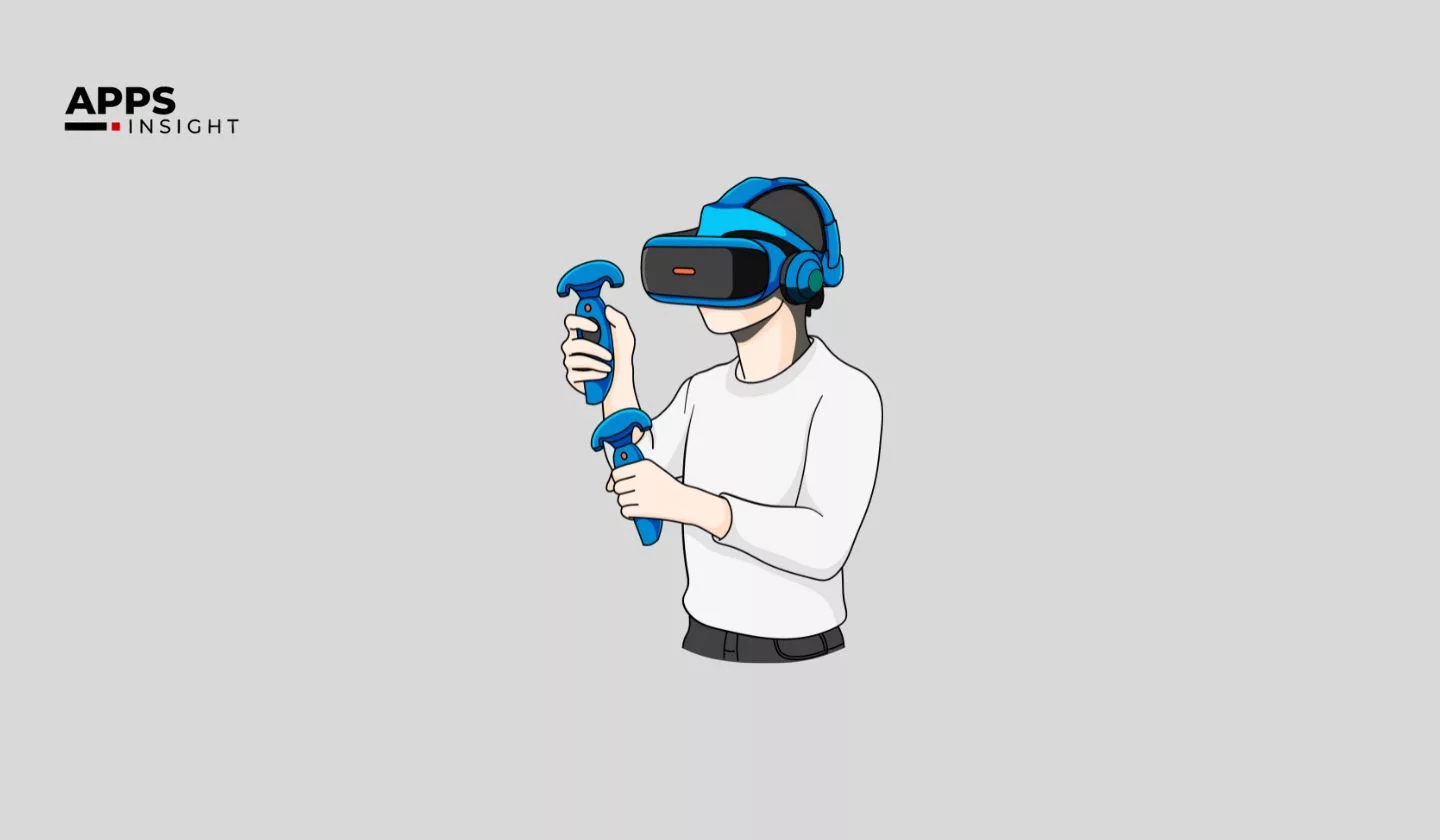
Virtual Reality is moving beyond consumer curiosity and into strategic differentiation for iGaming operators.
From a business perspective, VR enables platforms to offer premium, high-engagement environments that significantly extend session duration and player lifetime value.
Virtual poker rooms, live casino floors, and social gaming spaces allow operators to recreate land-based dynamics digitally—without the overhead of physical venues.
As hardware costs decrease and adoption increases, VR creates new monetization layers, including VIP-only rooms, branded environments, sponsorship placements, and event-based gaming. Vendors leveraging platforms such as Meta’s Oculus ecosystem are already positioning VR as a long-term retention tool rather than a short-term novelty.
For businesses, VR represents a chance to stand out in saturated markets while increasing average revenue per user through deeper immersion.
2. Artificial Intelligence (AI) for Personalization and Risk Management
AI-driven systems are becoming foundational rather than optional in modern iGaming operations.
On the commercial side, AI personalization engines analyze player behavior to dynamically recommend games, bonuses, and content based on real-time data. This improves conversion rates, reduces churn, and optimizes cross-selling across verticals such as slots, live dealer, and sports betting.
Equally important for operators is AI’s role in responsible gambling and compliance. Behavioral monitoring allows platforms to detect early risk signals, automate intervention workflows, and demonstrate regulatory accountability. This is particularly valuable in jurisdictions with increasing scrutiny around player protection.
For providers, AI is no longer just a marketing tool—it is a compliance asset, a retention engine, and a cost-reduction mechanism rolled into one.
3. Blockchain for Security, Transparency, and Trust
Trust remains one of the biggest challenges in iGaming, especially for newer brands and offshore operators. Blockchain technology directly addresses this issue.
By recording transactions, game outcomes, and payouts on immutable ledgers, blockchain enables provably fair gaming models that are verifiable by both players and regulators. For operators, this reduces disputes, strengthens brand credibility, and supports licensing discussions in stricter jurisdictions.
Smart contracts automate payouts and bonus conditions, eliminating delays, manual errors, and operational friction. For platforms, this translates into faster settlements, lower support costs, and improved user confidence.
Businesses that integrate blockchain are not only improving transparency—they are future-proofing their platforms as regulatory expectations continue to evolve.
4. Advanced Payment and Wallet Solutions
Payment friction is one of the most common causes of player abandonment—and one of the easiest business problems to solve with the right technology.
Modern payment solutions focus on speed, localization, and security. They allow operators to support multiple currencies, regional banking methods, and digital wallets through a single integration. This is especially critical for platforms targeting international or emerging markets.
From a business standpoint, improved payment infrastructure means higher deposit success rates, faster withdrawals, reduced chargebacks, and stronger player trust. It also simplifies expansion into new regions without rebuilding payment stacks from scratch.
For operators and aggregators, payment technology is no longer a backend function—it is a revenue driver.
5. Augmented Reality (AR) as a Differentiation Layer
Augmented Reality offers iGaming businesses a way to innovate without requiring full VR adoption.
AR overlays digital gaming elements onto real-world environments, enabling interactive experiences that work on standard mobile devices. For operators, this opens opportunities for location-based promotions, hybrid social games, and gamified marketing campaigns that extend beyond traditional casino formats.
Development frameworks like Apple’s ARKit and Google’s ARCore have significantly lowered entry barriers, making AR a viable option for mid-sized platforms and studios.
From a business perspective, AR is less about replacing core casino products and more about enhancing engagement, acquisition, and brand visibility.
The Strategic Direction for iGaming Businesses
These technologies are no longer theoretical. They are actively shaping how iGaming businesses operate, scale, and compete.
For operators, suppliers, and platform providers, early adoption is no longer just an advantage—it is becoming a requirement. The businesses that integrate these technologies strategically will define the next phase of iGaming. Those who delay risk being overtaken in an industry where innovation moves faster than regulation.