

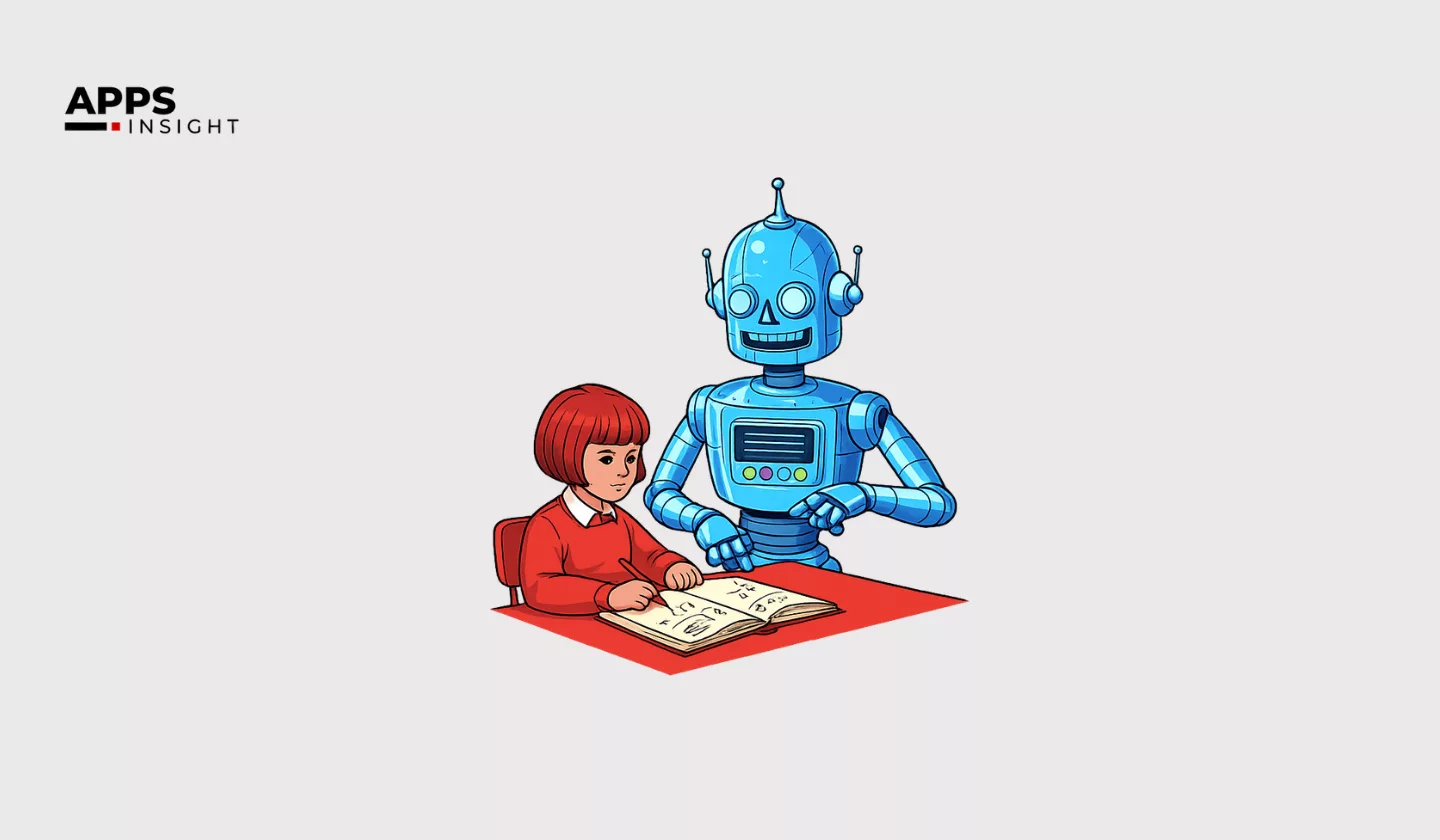
Autonomous AI tutors are AI-powered digital tutors that can teach and support learners on their own, without needing constant control from a human teacher. They guide students through lessons, practice questions, and explanations, adjusting the experience based on each learner’s needs. These tutors can work on phones, tablets, or computers and are available anytime, making learning more flexible and accessible.
Autonomous AI tutors analyze how a student is performing and then change what they show next. They track correct and incorrect answers, how long a student takes to respond, and where they struggle most. Using this information, the tutor can give easier questions, add more examples, or move to more advanced topics when the learner is ready. This creates a personalized learning path instead of the same lesson for everyone.
This type of AI tutor is used in schools, online courses, test preparation, and workplace training. Students can use them for homework help, revision, and exam practice. Teachers use them to give extra support to large groups of students and to see which topics are causing problems. Because the system runs automatically, it can support many learners at the same time.
How Autonomous AI Tutors Work
Autonomous AI tutors rely on machine learning, natural language processing, and adaptive learning algorithms. Machine learning helps the system learn patterns from student data, such as common mistakes or the pace of learning. Natural language processing allows the tutor to understand questions written in everyday language and respond in a conversational way, similar to chatting with a human tutor. Adaptive algorithms adjust the difficulty and sequence of content in real time based on the learner’s performance.
Inside these systems, there are usually three main models: a learner model, a content (domain) model, and a teaching (pedagogical) model. The learner model tracks what the student knows, where they are weak, and how they are progressing. The content model organizes the subject matter, such as math topics or language rules, into skills and concepts. The teaching model decides what to do next, like whether to give a hint, show a new example, or move to a different topic.
Many modern autonomous tutors now use large language models to generate explanations, hints, and feedback. They can handle open-ended answers, explain step by step, and adapt the tone and level of detail to the learner. Some systems also support voice, handwriting, or images so students can interact in more natural ways. The tutor can schedule review sessions, send reminders, and use spaced repetition so students revisit important ideas over time.
Benefits and Use Cases
Autonomous AI tutors offer several key benefits. They provide personalized pacing, so learners can move faster on topics they understand and slow down when they need more time. They are available 24/7, which is useful for self-study, different time zones, and busy schedules. Students can practice without feeling judged, ask the same question many times, and learn in privacy. These tutors can be especially helpful where access to human tutors is limited.
In education, schools and universities use autonomous AI tutors to support blended and online learning. In corporate training, they help employees learn new tools, processes, or compliance topics. In test prep, they offer tailored practice for exams by identifying weak areas and focusing on them. Across all these cases, the AI tutor acts as a scalable assistant that complements human instructors, not a full replacement.
Challenges
There are important challenges to consider. Autonomous AI tutors collect and analyze large amounts of student data, so privacy and security must be carefully managed. If the underlying data or algorithms are biased, some learners may receive less accurate or less helpful support. The systems can also miss emotional or social cues that a human teacher would notice, such as frustration or lack of motivation. Because of this, experts recommend using AI tutors under clear guidelines, with human oversight and transparent policies.
Key Takeaway
Autonomous AI tutors are advanced AI-driven systems that independently deliver personalized instruction, practice, and feedback. By continuously analyzing learner behavior and adapting content in real time, they help students learn more efficiently and give teachers powerful tools for support and insight. As the technology matures, autonomous AI tutors are likely to become a core part of digital learning in schools, universities, and professional training programs.