
Cryptocurrency trading has evolved from a niche activity into a global financial movement. Millions of investors now buy and sell digital assets through mobile applications. This rapid adoption has inspired startups and fintech companies to launch their own crypto trading platforms.
The global cryptocurrency market continues to grow rapidly. A report from Statista shows that the global crypto market revenue is expected to reach over $45 billion in 2026.
Another report from TripleA states that more than 420 million people worldwide now own cryptocurrency.
These numbers reveal a clear opportunity. Businesses are now exploring how to build their own exchange platforms and how much investment such a project requires.
The Cost to build a Cryptocurrency Exchange App depends on several elements, including platform type, security features, development team, and scalability requirements. Understanding these aspects helps companies plan their investment wisely and build a platform that attracts traders.
What Is a Cryptocurrency Exchange App
A cryptocurrency exchange app is a digital trading platform that allows users to buy, sell, and trade cryptocurrencies. These platforms connect buyers and sellers in real time and facilitate transactions through secure blockchain networks.
Popular exchanges such as Binance, Coinbase, and Kraken operate through both web platforms and mobile apps. The mobile application acts as a convenient gateway for traders to access markets anytime.
A crypto exchange performs several important functions.
• Matching buy and sell orders
• Managing user wallets
• Handling crypto deposits and withdrawals
• Displaying real time market data
• Ensuring strong security for funds and data
According to CoinMarketCap, more than 600 cryptocurrency exchanges are operating globally. This number highlights the strong demand for reliable trading platforms.
Types of Cryptocurrency Exchange Apps
Not every exchange works the same way. Different models offer different levels of control, privacy, and security.
1) Centralized Exchange (CEX)
Centralized exchanges operate under a company or organization that controls the platform.
Users deposit funds into wallets managed by the platform. The exchange processes trades internally and charges transaction fees.
Examples include Binance and Coinbase.
Advantages
• High liquidity
• Faster transactions
• User friendly interface
Limitations
• Custody of funds handled by the platform
• Potential security risks if the platform gets hacked
2) Decentralized Exchange (DEX)
Decentralized exchanges run through smart contracts on blockchain networks. Users trade directly from their personal wallets.
Examples include Uniswap and PancakeSwap.
Advantages
• No centralized authority
• Greater privacy
• Users maintain control of funds
Limitations
• Lower liquidity
• Slower transactions
3) Hybrid Exchange
Hybrid exchanges combine features of both centralized and decentralized systems. They aim to provide strong security while maintaining high performance. These platforms are gaining attention because they balance efficiency and control.
Looking for? Cryptocurrency Exchange Development Firm
Key Features Required in a Cryptocurrency Exchange App
An exchange app must provide reliable tools for trading while maintaining strict security standards.
1) User Registration and KYC
Every user must create an account and complete identity verification. KYC helps prevent fraud and ensures regulatory compliance.
2) Crypto Wallet Integration
The platform should support multiple wallets for storing digital assets. Hot wallets enable fast transactions while cold wallets provide stronger protection.
3) Trading Engine
The trading engine is the heart of the exchange. It processes buy and sell orders and matches them instantly.
A powerful trading engine can process thousands of transactions per second.
4) Liquidity Management
Liquidity ensures traders can buy or sell assets quickly. Without sufficient liquidity the market becomes unstable.
5) Real-Time Market Data
Users rely on accurate charts and price data when making trading decisions.
The app should display:
• Market depth
• Price charts
• Order history
• Trading volume
6) Payment Gateway Integration
Users must be able to deposit and withdraw funds using multiple payment methods.
These may include bank transfers, cards, and crypto deposits.
7) Multi Layer Security
Security tools include
• Two factor authentication
• Biometric login
• Cold wallet storage
• Encryption
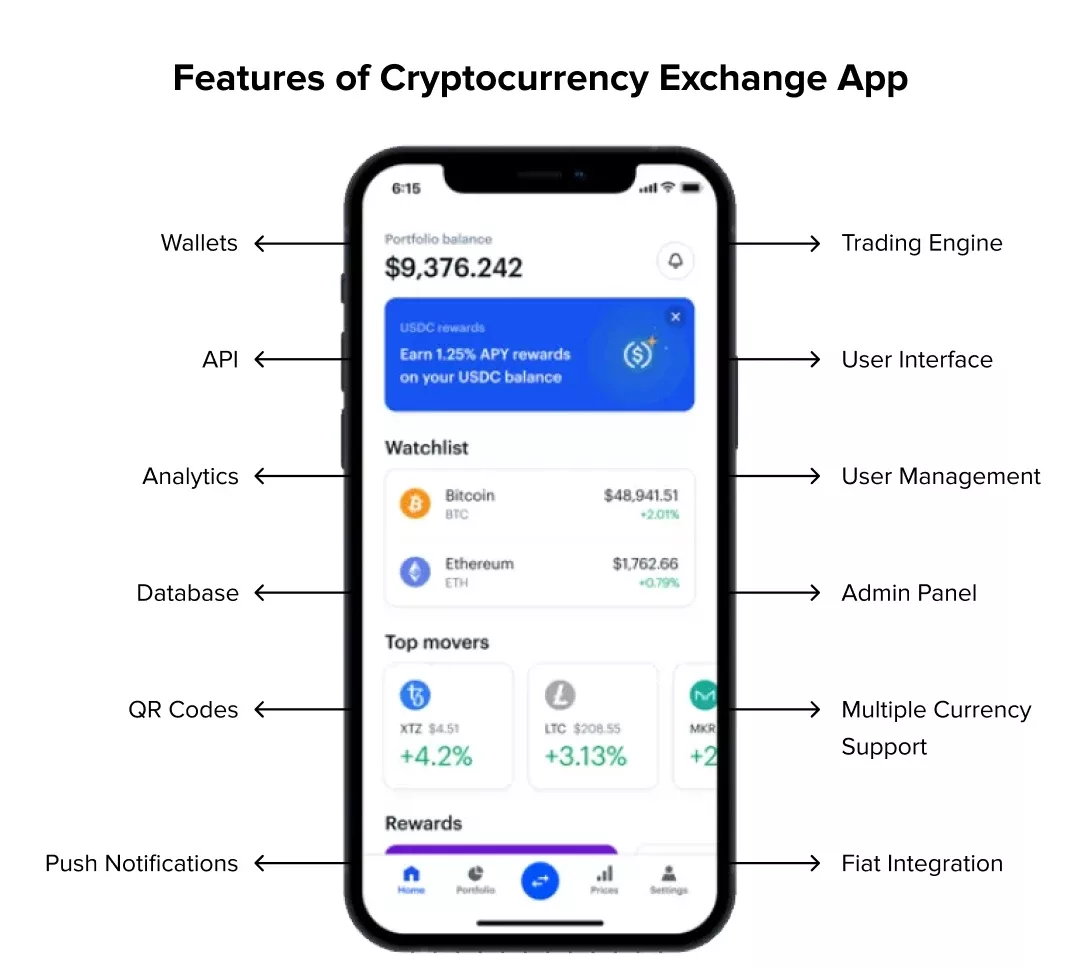
Advanced Features
- Multi-currency wallet capability
- Integration with fiat payment gateways
- AI-driven fraud detection systems
- Liquidity management tools
- Staking and yield earning options
- Multi-language interface support
Adding more features naturally increases the overall development time and project cost.
For this reason, experienced development teams often begin with a Minimum Viable Product (MVP) and gradually expand the platform later. This approach is commonly recommended for custom software development projects because it allows businesses to validate the concept while managing costs efficiently.
If you are planning to build a scalable platform, exploring strategies for custom software development can help you design a solution that grows with your needs without exceeding your budget.
Technology Stack Used for Crypto Exchange Development
Selecting the appropriate technology stack plays a key role in maintaining strong app performance and long-term scalability. An advanced stack that includes reliable frameworks, scalable databases, and high-performance servers may raise the initial development cost, but it provides greater stability and growth potential over time. In contrast, using a simpler technology stack may lower upfront expenses, though it might limit the app’s ability to scale and handle future expansion.
Below is a quick overview of the technology stack commonly used for apps similar to Coinbase.
| Component | Android | iOS |
|---|---|---|
| Tool | Android Studio 3.1.3 (Latest) | Xcode 9.3 |
| Language | Kotlin | Swift (4.2) |
| Web Service | REST APIs | AFNetworking, SwiftyJSON, Alamofire |
| Web Service Format | JSON Format | JSON |
| Database | MySQL (Back-end), SQLite (Local) | MySQL |
| Design | Material Design | MVC, MVVM |
These factors play a major role in determining the overall cost of building a cryptocurrency exchange app similar to Coinbase. However, they represent only general considerations. The precise development cost can be estimated only after defining the project scope and conducting a detailed analysis of these factors along with the complete project requirements.
Building a reliable crypto exchange requires a strong technical infrastructure.
Frontend Development
The frontend handles the user interface. Popular technologies include:
• React
• Angular
• Vue.js
These frameworks help create fast and responsive trading dashboards.
Backend Development
Backend systems manage data processing and trading operations.
Common backend technologies include
• Node.js
• Python
• Golang
Blockchain Integration
Blockchain networks power cryptocurrency transactions.
Popular networks include
• Ethereum
• Binance Smart Chain
• Solana
Database Systems
Crypto exchanges require powerful databases to manage transactions and user data. Technologies such as PostgreSQL and MongoDB are often used.
Looking for? Expert Blockchain Development Outsourcing Companies
Factors That Influence the Cost to Build a Cryptocurrency Exchange App
Several elements determine the Cost to build a Cryptocurrency Exchange App.
1) Platform Complexity
A simple trading platform costs far less than a full scale exchange with advanced features.
Basic apps offer simple trading tools. Advanced platforms include derivatives trading, staking, and lending services.
2) Security Infrastructure
Security is the most critical component of crypto exchanges.
Developers must implement:
• Encryption protocols
• Secure wallet storage
• Anti fraud systems
Strong security increases development cost but protects the platform from financial loss.
3) Liquidity Solutions
New exchanges must connect with liquidity providers or integrate liquidity pools.
Without liquidity users cannot trade efficiently.
4) Compliance and Regulations
Different countries impose regulatory requirements on crypto exchanges. These requirements include KYC verification and anti money laundering systems.
Compliance systems add to the development cost.
5) Development Team Location
The location of developers significantly impacts pricing.
Here is a table highlighting the Coinbase-like cryptocurrency exchange app development cost based on the location of crypto app developers:
| Region | Price Range |
|---|---|
| North America | $40–250/hr |
| Australia | $35–150/hr |
| Western Europe | $35–180/hr |
| South America | $25–120/hr |
| Eastern Europe | $25–110/hr |
| India and Asia | $20–80/hr |
Many businesses hire Blockchain Development Companies globally to balance quality and budget.
Estimated Cost to Build a Cryptocurrency Exchange App
The cost to build a Cryptocurrency Exchange App can vary widely depending on features and infrastructure.
| Type | Estimated Cost |
| Basic Exchange | $50,000 – $80,000 |
| Mid-Level Exchange | $100,000 – $250,000 |
| Advanced Exchange | $300,000 – $500,000+ |
A fully featured platform includes
• Advanced trading tools
• Margin trading
• High liquidity integration
• Institutional trading features
A Grand View Research report states that the blockchain market size is expected to reach $1.43 trillion by 2030. This growth encourages companies to invest in crypto exchange development.
Development Process of a Cryptocurrency Exchange App
Building a crypto exchange requires a structured development process.

1) Market Research
Research identifies trading trends and competitor platforms.
The research phase also studies Trending Cryptos in 2026 to determine which assets should be supported on launch.
2) UI and UX Design
The design stage focuses on creating a simple trading experience.
Clear charts and intuitive navigation improve user engagement.
3) Blockchain Integration
Developers integrate blockchain networks and wallet systems.
Smart contracts handle trading transactions securely.
4) Testing
Testing ensures that the exchange operates without errors.
Security testing identifies vulnerabilities before launch.
5) Deployment and Maintenance
After launch developers continue monitoring the platform.
Maintenance ensures security updates and system stability.
Many startups partner with Blockchain consulting companies and App development Companies to guide them through development and compliance requirements.
Security Requirements for Crypto Exchange Platforms
Security determines the credibility of any crypto exchange. Key security measures include:
• Cold wallet storage
• Multi signature wallets
• DDoS protection
• SSL encryption
• Anti phishing tools
According to Chainalysis crypto related hacks resulted in over $1.7 billion in losses in 2023. Strong security systems are essential for protecting digital assets.
Future Trends in Cryptocurrency Exchanges
The cryptocurrency ecosystem continues to evolve quickly.
Several trends will shape future exchange platforms.
1) AI-Driven Trading Tools
Artificial intelligence helps traders analyze market patterns and execute automated strategies.
2) GameFi and Crypto Integration
Blockchain gaming is expanding rapidly. Many platforms now integrate gaming assets.
Platforms supporting the best play-to-earn games for Crypto attract younger investors and gaming communities.
3) Cross Chain Trading
Future exchanges will support trading across multiple blockchains. Cross-chain technology improves liquidity and asset accessibility.
Looking for? Best Crypto To Invest
Is It Profitable to Launch a Cryptocurrency Exchange
Crypto exchanges generate revenue through several streams.
• Trading fees
• Listing fees
• Withdrawal charges
• Margin trading services
Large exchanges generate billions in annual revenue.
For example Coinbase generated over $3.1 billion in revenue in 2023. This demonstrates how profitable successful exchanges can become.
However the market is highly competitive. Platforms must provide strong security and an excellent user experience.
Some companies also collaborate with communities that publish industry insights, such as Write For Us Blockchain platforms to gain visibility and credibility.
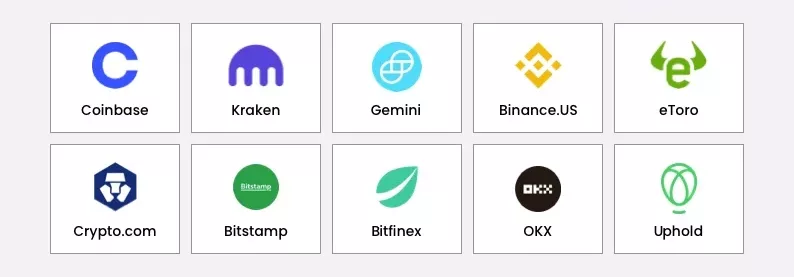
Top 10 Best Crypto Exchanges for USD in 2026
The number of individuals participating in cryptocurrency trading continues to increase, leading many users in the United States and abroad to search for reliable platforms where they can exchange USD for different digital coins. Choosing a reputable crypto exchange makes transactions smoother and can help traders avoid unnecessary currency conversion charges.
These platforms often operate under strict U.S. regulatory standards, which adds an extra layer of security and confidence for users. As digital assets become more common for both investment and everyday transactions, selecting the right crypto exchange for USD can greatly influence convenience, safety, and overall costs.
Here are the top 10 best cryptos for you:
1. Coinbase
Coinbase is one of the most recognized cryptocurrency exchanges and is often chosen by beginners because of its straightforward and easy-to-use interface. The platform supports USD deposits through ACH transfers, wire transfers, debit cards, and PayPal withdrawals, making it accessible to a wide range of users. Coinbase places a strong focus on security, regulatory compliance, and offers FDIC protection for USD deposits. However, its transaction fees are generally higher compared to many other exchanges.
Pros:
- Beginner-friendly interface
- Strong regulatory compliance
- FDIC insurance on USD deposits
- Supports ACH, wire transfers, debit cards, and PayPal
Cons:
- Higher transaction fees
- Limited advanced trading tools
2. Kraken
Kraken is widely known for its strong security infrastructure and is often preferred by traders who prioritize platform safety. It supports USD deposits and withdrawals through ACH and wire transfers. The exchange offers a variety of advanced trading features, including margin trading and futures, along with access to a broad range of cryptocurrencies, making it appealing to experienced traders.
Pros:
- Strong security standards
- Competitive trading fees
- Advanced trading options like margin and futures
- Reliable customer support
Cons:
- Interface may be complex for beginners
- Fewer payment methods for USD deposits
3. Gemini
Gemini is considered one of the safest exchanges for users in the United States. The platform emphasizes strong security measures and provides FDIC protection for USD balances. It supports USD deposits through ACH transfers, debit cards, and wire transfers. Gemini’s clean and simple interface makes it accessible to new users, although some traders may find its fees relatively high and the selection of cryptocurrencies limited.
Pros:
- High security standards with FDIC protection
- Clean and user-friendly interface
- Strong regulatory compliance
Cons:
- Higher fees compared to some competitors
- Smaller selection of cryptocurrencies
4. Binance.US
Binance.US serves as the U.S. version of the global Binance exchange and is known for offering low trading fees and strong market liquidity. It supports USD deposits via ACH and wire transfers and provides access to a large variety of cryptocurrencies. However, the platform is not available in all U.S. states, which may limit access for some users.
Pros:
- Low trading fees
- Large cryptocurrency selection
- High liquidity
Cons:
- Not available in every U.S. state
- Interface can be challenging for beginners
5. eToro
eToro stands out for its social trading functionality, which allows users to copy the trades of experienced investors. This feature makes it particularly appealing for beginners who want guidance while trading. The platform supports USD deposits through ACH transfers and debit or credit cards. However, eToro offers a smaller range of cryptocurrencies compared to some exchanges and may include higher withdrawal fees.
Pros:
- Social trading and copy-trading features
- Easy-to-use interface
- Supports ACH and credit/debit card deposits
Cons:
- Higher withdrawal fees
- Limited cryptocurrency selection
6. Crypto.com
Crypto.com is a versatile exchange that provides access to a wide selection of cryptocurrencies along with several payment options for USD deposits, including ACH transfers, wire transfers, and debit or credit cards. The platform is known for competitive trading fees and additional features such as staking rewards and cashback programs. However, the wide range of tools and options may feel overwhelming for new users.
Pros:
- Large selection of cryptocurrencies
- Competitive fees
- Multiple deposit methods for USD
Cons:
- Interface may feel complex for beginners
- Limited educational materials
7. Bitstamp
Bitstamp is one of the longest-running cryptocurrency exchanges and has built a reputation for reliability and strong security. It supports USD deposits through ACH and wire transfers and offers a simple, easy-to-use platform. While it works well for traders who prefer a straightforward exchange experience, advanced traders may find its feature set somewhat limited.
Pros:
- Clean and simple interface
- Strong security measures
- Trusted and well-established exchange
Cons:
- Limited advanced trading features
- Smaller range of cryptocurrencies compared to larger exchanges
8. Bitfinex
Bitfinex is widely used by experienced traders due to its professional-grade trading tools and high market liquidity. The platform supports USD deposits through wire transfers and offers advanced features such as margin trading, lending services, and detailed charting tools. However, its complex interface can make it challenging for beginners to navigate.
Pros:
- High liquidity and advanced tools
- Margin trading and lending features
- Strong charting and analytics capabilities
Cons:
- Complex interface for beginners
- Higher fees for low-volume traders
9. OKX
OKX is a comprehensive crypto trading platform offering a wide range of digital assets, including cryptocurrencies, derivatives, NFTs, and wallet services. The exchange supports USD deposits and provides strong liquidity along with advanced trading features. However, its fee structure for low-volume trading may discourage casual users.
Pros:
- Wide range of crypto assets and services
- Advanced trading features including derivatives
- Strong security standards
Cons:
- Higher fees for smaller trades
- Platform complexity may overwhelm beginners
10. Uphold
Uphold is a beginner-friendly platform that allows users to trade across different asset classes, including cryptocurrencies, fiat currencies, and precious metals. It supports USD deposits and offers a simple interface that makes it easy for new users to get started. However, the platform offers fewer advanced trading tools and a smaller crypto selection compared to major exchanges.
Pros:
- Easy-to-use platform
- Supports trading across crypto, fiat, and metals
- Beginner-friendly
Cons:
- Limited advanced trading tools
- Smaller cryptocurrency selection
Advanced Features of USD-Compatible Crypto Exchanges
Many USD-compatible exchanges include advanced tools that enhance the trading experience. For instance, while most platforms provide basic wallet functionality for trading, dedicated crypto wallets are often preferred for long-term asset storage due to their added security. Understanding the difference between a crypto wallet and an exchange is therefore essential for managing digital assets effectively.
Professional traders may also use crypto derivatives exchanges, which enable trading in futures, options, and other derivative instruments. These tools allow traders to implement more sophisticated strategies and manage risk more effectively.
In addition, businesses interested in launching their own crypto trading platforms can use white-label crypto exchange solutions. Companies such as Debut Infotech specialize in developing customizable cryptocurrency exchange platforms designed for security, scalability, and regulatory compliance.
Security remains a top priority for USD-compatible exchanges. Leading platforms implement multiple protection measures to safeguard user funds. One common practice is cold storage, where the majority of assets are kept offline to minimize the risk of cyberattacks. Another widely used safeguard is two-factor authentication (2FA), which adds an extra verification step when accessing accounts. Some exchanges, such as Gemini, also provide FDIC insurance for USD deposits, offering users additional confidence when holding funds on the platform.
Final Say
Launching a cryptocurrency exchange app can be a powerful opportunity for fintech startups and technology companies. Digital asset trading continues to grow across the world and new platforms enter the market every year.
The Cost to build a Cryptocurrency Exchange App depends on several factors including platform complexity, security infrastructure, liquidity solutions, and development team expertise.
Businesses that plan carefully and invest in strong technology can build highly profitable platforms that attract global traders.
If you are searching for reliable technology partners or want to compare industry experts, platforms like AppsInsight can help businesses discover trusted blockchain development companies and other technology solution providers.