

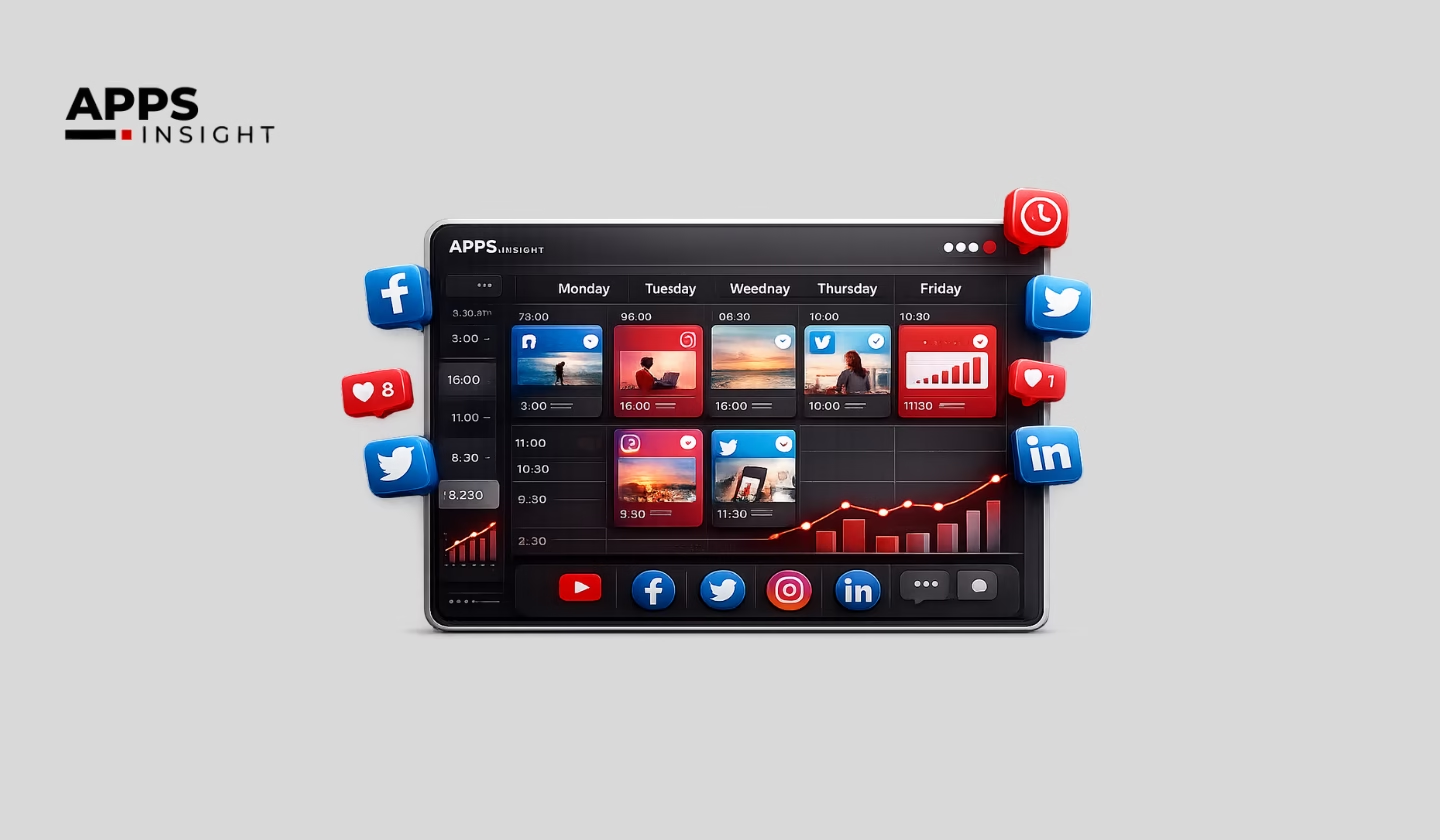
Social media scheduling has become an essential part of modern digital marketing. Today, brands, creators, and agencies manage content across multiple platforms. As a result, they need tools that save time, improve consistency, and help them grow faster. If you are searching for the best Later Alternatives, you are likely looking for better automation, stronger analytics, lower pricing, or more advanced publishing features.
According to recent industry reports, there are more than 5.6 billion social media users worldwide, and the average person uses multiple social platforms every month. At the same time, the social media management market is projected to grow rapidly as businesses invest more in automation and content scheduling. This growth highlights the increasing demand for reliable social media management tools.
Whether you are managing content for a small business, personal brand, agency, or enterprise, choosing the right scheduler can make a huge difference. Many businesses operating on Growing Social Media Platforms In The USA are now looking beyond Later to find tools that offer greater flexibility and better value.
We will compare leading platforms such as Metricool, SocialBee, Hootsuite, Tailwind, Publer, OneUp, Sprout Social, Planoly, PostFlow, and GudSho Social. By the end, you will have a clear understanding of which solution deserves a place in your marketing stack.
About Later
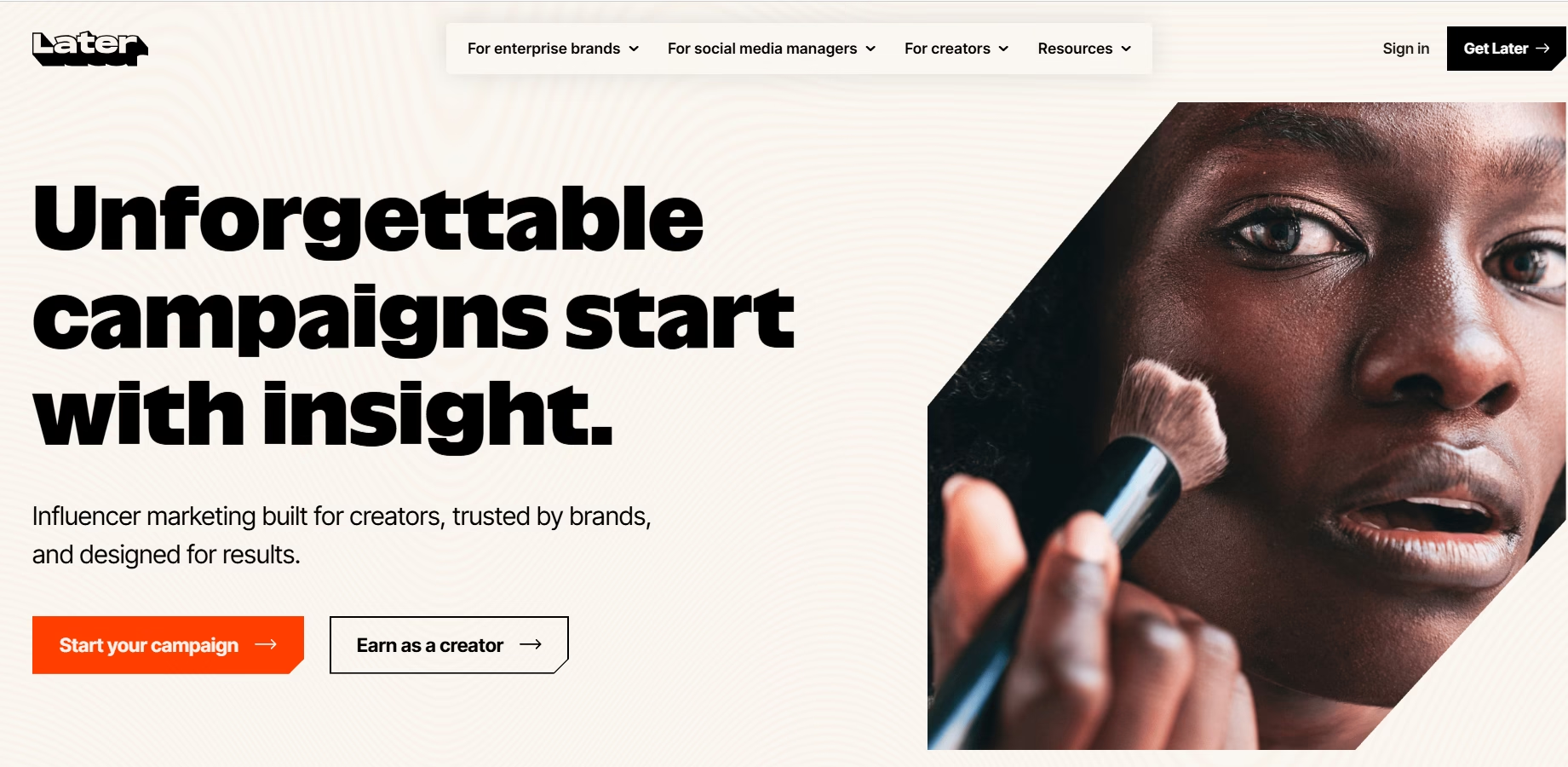
Later is one of the most popular social media scheduling platforms available today. It started as an Instagram scheduling tool but has evolved into a complete social media management solution. Today, users can plan, schedule, publish, and analyze content across multiple social networks from a single dashboard.
The platform is known for its visual content calendar. This feature allows marketers, creators, and businesses to see their upcoming posts in a clean and organized layout. As a result, content planning becomes easier and more efficient. Users can drag and drop posts, organize campaigns, and maintain a consistent publishing schedule.
Later also offers features such as media management, hashtag suggestions, link-in-bio tools, analytics, and team collaboration. In addition, it provides scheduling support for major social platforms, including Instagram, Facebook, LinkedIn, Pinterest, TikTok, and X.
Many businesses choose Later because of its simple interface and beginner-friendly experience. Even users with little technical knowledge can quickly learn how to use the platform.
However, as social media marketing becomes more competitive, many marketers require advanced automation, deeper analytics, AI-powered content assistance, and broader integrations. Some users also look for platforms that provide features similar to the best social media automation tools while offering better pricing flexibility.
Although Later remains a strong option, it may not be the perfect fit for everyone. Your business goals, budget, team size, and content strategy will ultimately determine whether Later meets your needs or if another platform offers a better solution.
What’s The Need To Look for Later Alternatives
Later is a capable social media scheduling platform. However, many businesses eventually discover that their needs grow beyond what a single tool can provide. As social media marketing evolves, marketers often require additional features, better workflows, and more flexibility.
One common reason users search for Later Alternatives is pricing. While Later offers useful features, some growing businesses and agencies find that advanced plans can become expensive as their teams and content needs expand. Therefore, they start looking for solutions that provide similar or better functionality at a more competitive cost.
Another important factor is automation. Many modern marketers want advanced scheduling options, content recycling, AI-powered recommendations, and automated workflows. These capabilities help teams save time and focus on strategy instead of repetitive tasks.
Analytics also play a major role. Businesses want deeper insights into audience behavior, campaign performance, and engagement trends. As a result, many users explore platforms that offer more detailed reporting and stronger performance tracking.
In addition, some organizations require specialized features such as social listening, approval workflows, content categorization, and integrations with third-party marketing tools. Others may need access to the advanced capabilities offered by AI tools for marketers to improve content creation and campaign management.
The rise of Free AI Tools For Creating Social Media Posts has also changed how marketers manage content. Many users now prefer platforms that combine scheduling with AI-assisted content generation.
Furthermore, brands increasingly rely on AI Brand Monitoring Tools to track online conversations and protect their reputation. Since not every scheduler includes these capabilities, businesses often evaluate alternative platforms.
Ultimately, the best choice depends on your goals. Whether you are a creator, agency, startup, or enterprise, exploring Later Alternatives can help you find a platform that better aligns with your marketing strategy, budget, and future growth plans.
Key Features to Look for in a Social Media Scheduler
Choosing the right social media scheduler is about more than simply publishing posts. The best platform should help you save time, improve engagement, and manage all your social channels efficiently. Before selecting one of the leading Later Alternatives, it is important to understand the features that truly matter.
1) Visual Content Calendar
A visual calendar makes content planning much easier. You can see upcoming posts, identify gaps in your schedule, and maintain a consistent brand presence. This feature is especially useful for businesses that publish content daily.
2) Social Media Automation
Automation helps reduce manual work. Features such as automatic publishing, content recycling, recurring posts, and bulk scheduling allow teams to focus on strategy rather than repetitive tasks.
3) Analytics and Reporting
Data-driven decisions lead to better results. A strong scheduler should provide insights into engagement, reach, impressions, audience growth, and content performance. Detailed reports help marketers understand what is working and where improvements are needed.
4) AI-Powered Content Assistance
Artificial intelligence is transforming social media marketing. Many modern tools now help generate captions, hashtags, content ideas, and posting recommendations. These capabilities improve productivity and speed up content creation.
5) Team Collaboration
If multiple people manage your social accounts, collaboration features become essential. Approval workflows, content reviews, shared calendars, and role-based permissions help teams stay organized.
6) Multi-Platform Publishing
Most brands operate across several networks. Therefore, your scheduler should support platforms such as Instagram, Facebook, LinkedIn, TikTok, Pinterest, X, and YouTube from one dashboard.
7) Content Organization
A good scheduler should help you organize content libraries, media assets, and campaign materials. This makes it easier to manage large volumes of content over time.
8) Scalability for Business Growth
As your audience grows, your social media management needs will also expand. The right platform should support additional users, accounts, and advanced features without disrupting your workflow.
When you evaluate social media scheduling tools based on these features, you will be better positioned to select a platform that supports your current goals and future growth.
How We Selected The Best Later Alternatives
With dozens of social media management platforms available today, choosing the right option can be challenging. To help you make an informed decision, we evaluated each platform using a consistent set of criteria that matter most to marketers, creators, agencies, and businesses.
Ease of Use
A powerful tool should also be easy to use. We looked for platforms with intuitive dashboards, simple navigation, and efficient content management features. This ensures users can quickly schedule and manage campaigns without a steep learning curve.
Pricing and Value
Cost is often a deciding factor when comparing social media tools. We examined pricing structures, available plans, and included features to determine which platforms offer the best overall value for different types of users.
Automation Capabilities
Automation is essential for modern social media management. We prioritized tools that provide automatic publishing, recurring posts, bulk scheduling, content recycling, and workflow automation features.
Analytics and Performance Tracking
Successful social media strategies rely on data. Therefore, we evaluated the quality of analytics, reporting dashboards, engagement tracking, and audience insights offered by each platform.
AI and Innovation
Artificial intelligence is becoming a major part of content marketing. We considered platforms that leverage AI to improve content creation, scheduling recommendations, audience targeting, and workflow efficiency.
Team Collaboration Features
Many businesses manage social media through teams. We assessed collaboration tools such as approval workflows, user permissions, content reviews, and shared content calendars.
Platform Support
Different businesses focus on different social networks. We reviewed each platform’s ability to support major channels including Instagram, Facebook, LinkedIn, Pinterest, TikTok, X, and YouTube.
Customer Support and Reliability
Reliable support can make a significant difference when issues arise. We considered customer service quality, documentation, onboarding resources, and overall platform stability.
Scalability
A tool should grow with your business. We looked for platforms that can support individual creators, small businesses, growing agencies, and enterprise organizations alike.
Using these criteria, we identified the best Later Alternatives that offer strong performance, excellent value, and practical features for different types of social media users. The following sections provide a detailed review of each platform to help you find the right fit.
1. Metricool
Metricool is a powerful all-in-one social media management platform that combines scheduling, analytics, content planning, and advertising insights in a single dashboard. Many marketers consider it one of the strongest alternatives to Later because it offers a wider range of reporting and performance tracking features.
The platform supports major social networks, including Instagram, Facebook, LinkedIn, TikTok, Pinterest, X, Google Business Profile, and YouTube. This allows users to manage multiple channels without switching between different tools.
One of Metricool’s biggest strengths is its analytics system. Users can track audience growth, engagement rates, campaign performance, and content effectiveness through easy-to-read reports. These insights help businesses make smarter marketing decisions and improve their social media strategies over time.
Metricool also includes content scheduling features that simplify planning. Users can schedule posts in advance, manage content through a visual calendar, and automate publishing across several platforms. The bulk scheduling feature is especially useful for agencies and businesses managing large content volumes.
Another advantage is its advertising analytics. Unlike many social scheduling tools, Metricool allows users to monitor both organic and paid campaign performance from one place. This makes it easier to understand the complete impact of marketing efforts.
For businesses comparing sites like Publer, Metricool Alternatives, Metricool stands out because it balances affordability, analytics, automation, and usability. Whether you are a solo creator or a growing marketing agency, the platform offers enough flexibility to support long-term social media growth.
Best For:
- Small and medium-sized businesses
- Marketing agencies
- Social media managers
- Brands running both organic and paid campaigns
- Users who need advanced analytics and reporting
- Businesses managing multiple social media channels
2. SocialBee
SocialBee is a feature-rich social media management platform designed to help businesses create, organize, schedule, and optimize content more effectively. It has become a popular choice among marketers who want advanced content management without the complexity often found in enterprise-level tools.
One of SocialBee’s standout features is its content categorization system. Users can organize posts into different categories such as promotional content, educational posts, curated articles, and engagement-focused updates. This approach helps maintain a balanced content strategy and keeps social media feeds fresh and engaging.
The platform supports publishing across major social networks, including Facebook, Instagram, LinkedIn, X, TikTok, Pinterest, and Google Business Profile. Users can manage multiple accounts from a centralized dashboard, making daily content management much easier.
SocialBee also offers AI-powered content assistance that helps users generate captions, post ideas, and content variations. These features save time while improving content consistency. In addition, the platform includes scheduling automation, content recycling, audience engagement tools, and performance tracking.
Another major benefit is its flexibility for different business sizes. Freelancers, startups, agencies, and established businesses can all customize workflows according to their needs. The platform also supports collaboration features, making it easier for teams to review and approve content before publication.
For businesses exploring Apps like buffer, SocialBee provides a compelling alternative with stronger content organization capabilities and robust automation options. Its combination of scheduling, AI support, and content management makes it a valuable tool for marketers who want to streamline their social media operations.
Best For:
- Content creators
- Freelancers and consultants
- Small and medium-sized businesses
- Marketing agencies
- Teams that require content approval workflows
- Businesses focused on content organization and automation
3. Hootsuite
Hootsuite is one of the most established social media management platforms in the industry. It has been helping businesses manage social media accounts for many years and remains a trusted solution for organizations of all sizes. Because of its extensive feature set, many marketers consider it one of the most comprehensive alternatives to Later.
The platform supports a wide range of social networks, including Facebook, Instagram, LinkedIn, TikTok, Pinterest, X, and YouTube. Users can schedule content, monitor conversations, engage with audiences, and track performance from a centralized dashboard.
One of Hootsuite’s biggest strengths is its social listening capability. Businesses can monitor brand mentions, industry trends, and customer conversations in real time. This helps marketing teams stay informed and respond quickly to opportunities or potential issues.
Hootsuite also offers powerful reporting tools that provide detailed insights into engagement, audience growth, and campaign performance. These reports help businesses measure the effectiveness of their social media strategies and identify areas for improvement.
For larger organizations, Hootsuite includes advanced collaboration tools such as approval workflows, team assignments, and role-based permissions. These features make it easier to manage complex social media operations across multiple departments.
As businesses continue investing in digital engagement, many organizations evaluating the Cost To Develop A Social Media App Like Facebook often study platforms like Hootsuite to understand how advanced social media management ecosystems operate. Its broad functionality and enterprise-grade features make it a strong choice for serious marketers.
Best For:
- Large businesses and enterprises
- Marketing agencies
- Multi-location brands
- Teams requiring advanced collaboration
- Organizations focused on social listening
- Businesses needing detailed reporting and analytics
4. Tailwind
Tailwind is a specialized social media scheduling and marketing platform that focuses heavily on visual content networks. It is particularly popular among creators, bloggers, e-commerce businesses, and brands that rely on visually appealing content to attract and engage audiences.
The platform is best known for its strong support for Pinterest and Instagram. Users can plan, schedule, and optimize content while maintaining a consistent posting strategy. Its intuitive visual planner makes it easy to organize content and preview how posts will appear before publishing.
One of Tailwind’s most valuable features is its smart scheduling technology. The platform analyzes audience engagement patterns and recommends optimal posting times. This helps businesses increase visibility and maximize engagement without manually researching posting schedules.
Tailwind also includes content creation tools, hashtag suggestions, design assistance, and performance tracking. These features help users streamline their content workflow while maintaining high-quality social media campaigns. In addition, the platform provides detailed analytics that allow marketers to measure performance and refine their strategies.
For businesses focused on visual marketing, Tailwind offers a balance between simplicity and effectiveness. Its automation capabilities reduce manual effort while still giving users full control over their content plans.
Many marketers exploring sites like Fanvue for creator-focused growth also appreciate Tailwind because it helps creators build audience engagement through consistent and visually attractive content distribution. This makes it an excellent option for brands and individuals who prioritize visual storytelling across social media platforms.
Best For:
- Content creators
- Influencers
- Bloggers
- E-commerce businesses
- Pinterest marketers
- Instagram-focused brands
- Visual content marketing teams
5. Publer
Publer is a modern social media management platform that focuses on simplicity, automation, and affordability. Over the years, it has gained popularity among small businesses, creators, startups, and agencies looking for an efficient way to manage multiple social media accounts without paying premium enterprise prices.
The platform supports major social networks such as Facebook, Instagram, LinkedIn, TikTok, Pinterest, X, YouTube, and Google Business Profile. Users can schedule posts, create content calendars, automate publishing, and manage engagement from a centralized dashboard.
One of Publer’s strongest advantages is its automation functionality. Users can schedule content months in advance, recycle evergreen posts, create recurring publishing schedules, and automate routine social media tasks. These features help businesses maintain a consistent online presence while saving valuable time.
Publer also integrates AI-powered tools that assist with content creation, caption generation, hashtag suggestions, and post optimization. This helps marketers create engaging content more efficiently and improve workflow productivity.
Another feature that users appreciate is the clean and user-friendly interface. Even beginners can quickly navigate the platform and start scheduling content without extensive training. Meanwhile, agencies can benefit from collaboration features and workspace management options.
As businesses continue exploring social media growth opportunities and evaluating solutions alongside discussions about Social Media App Development Cost, tools like Publer demonstrate how powerful scheduling and automation capabilities can be delivered at a cost-effective price point. Its combination of affordability, automation, and ease of use makes it one of the most attractive alternatives to Later.
Best For:
- Small businesses
- Startups
- Solopreneurs
- Content creators
- Marketing agencies
- Users seeking affordable automation tools
- Businesses managing multiple social media accounts
6. PostPlanify
PostPlanify is a social media management platform built to help agencies, teams, and businesses schedule, manage, and analyze content across every major network from a single dashboard. It has gained traction among marketers who want deep analytics and engagement tools without the complexity often found in enterprise-level suites, making it a strong alternative for teams that have outgrown basic scheduling.
One of PostPlanify’s biggest strengths is its analytics. The platform tracks performance across all ten supported networks — surfacing metrics like reach, engagement, and audience growth, along with best-time-to-post recommendations tailored to each channel. Teams can turn that data into branded, client-ready PDF reports, a useful touch for agencies that need to demonstrate results without exporting everything to spreadsheets.
The platform supports publishing across ten networks, including Instagram, Facebook, X, TikTok, YouTube, LinkedIn, Threads, Pinterest, Bluesky, and Google Business Profile. Everything is organized from a centralized content calendar, complete with an Instagram grid preview so visual-first teams can plan how their feed will look before posting, plus bulk scheduling for loading large batches of content at once.
Beyond publishing, PostPlanify includes a unified social inbox that pulls comments, DMs, and mentions from multiple platforms into one stream, so teams can engage with their audience without bouncing between apps. Its vision-powered AI assistant goes a step further than text-only tools — it can read the images in a post and generate relevant captions, content ideas, and variations, helping teams stay consistent while saving time.
PostPlanify also scales across business sizes. Freelancers, startups, agencies, and larger organizations can build workflows around their specific needs, supported by team collaboration, role-based permissions, and approval workflows that let content be reviewed and signed off before it goes live. A built-in media library and link-in-bio tool round out the toolkit.
For businesses comparing Later alternatives, PostPlanify stands out by combining scheduling with full-funnel analytics, a multi-platform social inbox, and AI assistance in one place — covering the publish, engage, and measure stages that visual-first schedulers often leave out.
Best For:
- Marketing agencies and multi-brand teams
- Small and medium-sized businesses
- Social media managers handling multiple platforms
- Teams that require content approval workflows
- Marketers who rely on analytics and reporting
- Businesses wanting scheduling, engagement, and analytics in one tool.
7. OneUp
OneUp is a practical social media scheduling platform designed to help businesses automate content publishing across multiple channels. It has become a preferred option for marketers who want powerful scheduling capabilities without the complexity of larger enterprise-focused solutions.
The platform supports Facebook, Instagram, LinkedIn, Pinterest, TikTok, X, Google Business Profile, and YouTube. Users can manage all their social accounts from a single dashboard, making content planning and execution much more efficient.
OneUp is particularly known for its post recycling functionality. Instead of creating new content every day, users can automatically republish evergreen content at scheduled intervals. This feature helps maintain a consistent social presence while maximizing the value of existing content assets.
The platform also provides bulk scheduling, category-based content organization, automated posting, and visual content calendars. These tools simplify social media management and help teams stay organized. In addition, OneUp includes analytics features that allow users to monitor engagement and content performance over time.
Another advantage is its straightforward interface. Users can quickly schedule content, review upcoming posts, and manage campaigns without spending significant time learning the platform.
For organizations researching digital marketing ecosystems and exploring services offered by Top Social Media App Developers, OneUp serves as a good example of how focused scheduling tools can solve specific content management challenges effectively. Its emphasis on automation and content recycling makes it particularly useful for businesses with limited resources that still want to maintain an active social media presence.
Best For:
- Small businesses
- Marketing consultants
- Agencies managing multiple clients
- Content creators
- Businesses using evergreen content strategies
- Teams seeking affordable scheduling automation
- Users who need post recycling features
8. Sprout Social
Sprout Social is a premium social media management platform trusted by many well-known brands, enterprises, and marketing agencies. It combines scheduling, analytics, customer engagement, social listening, and team collaboration into a single powerful solution.
The platform supports major social networks, including Facebook, Instagram, LinkedIn, TikTok, Pinterest, X, and YouTube. Users can plan content, schedule posts, monitor audience interactions, and analyze performance from a unified dashboard.
One of Sprout Social’s biggest strengths is its advanced analytics and reporting capabilities. The platform provides detailed insights into audience demographics, engagement trends, content performance, and campaign effectiveness. These reports help businesses make data-driven decisions and improve their overall marketing strategy.
Sprout Social also excels in customer relationship management. Teams can manage messages, comments, and conversations from multiple social channels within one inbox. This improves response times and enhances customer engagement.
Another valuable feature is social listening. Businesses can track industry trends, monitor brand mentions, and understand audience sentiment in real time. These insights help organizations identify opportunities and respond proactively to changing market conditions.
As more brands compete on growing social media platforms, tools like Sprout Social help businesses maintain a strong presence through data-backed decision-making and audience engagement strategies. Although the platform comes at a higher price point, its comprehensive feature set often justifies the investment for businesses that rely heavily on social media marketing.
Best For:
- Enterprise organizations
- Large marketing teams
- Digital marketing agencies
- Brands focused on customer engagement
- Businesses requiring advanced reporting
- Companies that need social listening capabilities
- Organizations managing large-scale social campaigns
9. Planoly
Planoly is a visual-first social media management platform that helps creators, influencers, and brands organize content with ease. Originally built for Instagram planning, the platform has expanded its capabilities and now supports multiple social networks while maintaining its strong focus on visual content management.
One of Planoly’s most attractive features is its intuitive drag-and-drop content calendar. Users can easily arrange posts, preview feed layouts, and ensure their content maintains a consistent look and feel. This is particularly valuable for businesses and creators that rely heavily on branding and visual storytelling.
The platform allows users to schedule posts, publish content automatically, manage media assets, and track campaign performance. In addition, Planoly offers tools for content planning, hashtag management, and audience engagement. These features help users streamline their workflow and maintain a regular posting schedule.
Planoly also supports collaboration features that allow teams to review and organize content before it goes live. This makes it easier for brands to maintain quality control while managing larger content calendars.
Another advantage is its beginner-friendly interface. New users can quickly learn the platform and start scheduling content without extensive training. At the same time, experienced marketers can take advantage of advanced planning features to improve efficiency.
For businesses and creators who prioritize aesthetics and content organization, Planoly provides a balanced combination of simplicity, scheduling, and visual planning tools. Its focus on content presentation makes it a strong option for brands that want to build a polished and professional social media presence.
Best For:
- Influencers
- Content creators
- Lifestyle brands
- Fashion and beauty businesses
- Instagram-focused marketers
- Small businesses
- Teams that prioritize visual content planning
10. PostFlow
PostFlow is an emerging social media scheduling platform designed to simplify content management through automation and intelligent workflows. The platform focuses on helping businesses, marketers, and creators publish content consistently while reducing the amount of manual work required to manage multiple social media accounts.
One of PostFlow’s key strengths is its streamlined scheduling experience. Users can plan campaigns, organize content calendars, and automate publishing across different social platforms from a single dashboard. This helps teams maintain a steady content pipeline without constantly monitoring publishing schedules.
The platform also incorporates AI-assisted features that support content planning and optimization. These tools help users generate post ideas, improve captions, and create more engaging content for their audiences. As social media competition continues to increase, such automation can significantly improve productivity.
PostFlow offers content organization tools that make it easier to categorize posts, manage campaigns, and track upcoming publications. Teams can collaborate more effectively while ensuring content remains aligned with marketing goals and brand guidelines.
Another advantage is its user-friendly interface. Businesses can quickly onboard team members and start managing campaigns without facing a complicated learning process. This makes the platform suitable for organizations seeking efficiency without sacrificing functionality.
As marketers continue evaluating solutions within the broader landscape of AI Tools, PostFlow represents the growing trend of combining AI capabilities with traditional social media scheduling. Its automation-focused approach helps businesses save time while maintaining consistent engagement across multiple social channels.
Best For:
- Small businesses
- Digital marketers
- Startups
- Content creators
- Teams seeking AI-assisted workflows
- Businesses focused on automation
- Organizations managing multiple content campaigns
11. GudSho Social
GudSho Social is a modern social media management and content distribution platform built to help businesses, creators, and marketers manage their online presence more effectively. The platform focuses on simplifying social media publishing while providing tools that support audience growth and content engagement.
One of its key advantages is its easy-to-use scheduling system. Users can plan, create, and publish content across multiple social media platforms from a centralized dashboard. This helps reduce manual work and ensures that content reaches audiences consistently.
GudSho Social also emphasizes content discovery and distribution. Businesses can organize campaigns, maintain content calendars, and coordinate publishing schedules more efficiently. These features are particularly useful for growing brands that need a structured approach to social media management.
The platform includes automation tools that help users streamline repetitive tasks. Instead of manually posting content every day, marketers can schedule campaigns in advance and focus more on strategy, creativity, and audience engagement.
Another strength is its accessibility for businesses of different sizes. Whether you are a startup, creator, or established company, the platform provides enough flexibility to support various content marketing goals. Teams can collaborate on campaigns while maintaining control over publishing workflows and brand consistency.
Best For:
- Small businesses
- Growing brands
- Startups
- Content creators
- Marketing teams
- Businesses seeking easy-to-use scheduling tools
- Organizations focused on audience growth and content distribution
12) Loomly
Loomly is a user-friendly social media management platform designed to help teams plan, create, approve, and publish content efficiently. The platform focuses heavily on collaboration and content workflow management, making it particularly appealing to marketing teams and agencies.
One of Loomly’s standout features is its content approval system. Team members can submit content for review, receive feedback, and make revisions before publishing. This process helps maintain content quality and ensures brand consistency across all social channels.
The platform also provides post ideas, content optimization suggestions, publishing automation, audience engagement tools, and detailed analytics. Its clean interface makes it easy for users to organize campaigns and manage multiple social accounts without feeling overwhelmed.
Loomly supports major social networks including Facebook, Instagram, LinkedIn, TikTok, X, Pinterest, and YouTube. This broad platform support allows businesses to manage their entire social media strategy from a single location.
Best Use Cases
- Marketing teams
- Digital agencies
- Multi-person content workflows
- Businesses requiring approval processes
- Brands focused on content consistency
13) Postoplan
Postoplan is a social media automation platform built to simplify content scheduling and account management. It allows users to schedule posts, automate publishing, and manage multiple social profiles from a centralized dashboard.
The platform supports various social media networks and offers bulk scheduling capabilities, helping users save time while maintaining consistent content output. Businesses can prepare weeks or even months of content in advance, reducing day-to-day management efforts.
Postoplan also provides content management tools that assist users in organizing campaigns and maintaining publishing schedules. Its automation-focused design makes it attractive for marketers who want to maximize efficiency while minimizing manual work.
Another advantage is its affordability. Smaller businesses and startups often find Postoplan appealing because it delivers useful automation features without the higher costs associated with some enterprise-level platforms.
Best Use Cases
- Small businesses
- Startups
- Freelancers
- Content creators
- Businesses seeking affordable automation
- Teams managing multiple social accounts
Quick Comparison of the Best Later Alternatives
| Tool | Starting Price (Monthly) | AI Features | Best For |
|---|---|---|---|
| Metricool | $22/mo | Limited | Analytics & reporting |
| SocialBee | $29/mo | Yes | Content organization |
| Hootsuite | $99/mo | Yes | Enterprise teams |
| Tailwind | $24.99/mo | Limited | Pinterest & Instagram |
| Publer | $12/mo | Yes | Affordable automation |
| OneUp | $18/mo | Limited | Content recycling |
| Sprout Social | $199/mo | Yes | Large organizations |
| Planoly | $16/mo | Limited | Visual planning |
| PostFlow | Custom Pricing | Yes | AI-powered workflows |
| GudSho Social | Custom Pricing | Limited | Content distribution |
Frequently Asked Questions
What are the best Later Alternatives?
Some of the best alternatives include Metricool, SocialBee, Hootsuite, Tailwind, Publer, OneUp, Sprout Social, Planoly, PostFlow, and GudSho Social. Each platform offers unique features for different business needs.
Which Later alternative offers the best free plan?
Metricool and Publer are often considered among the strongest options for users looking for generous free plans with useful scheduling and analytics features.
Are there alternatives better than Later for agencies?
Many agencies prefer Metricool, Hootsuite, Sprout Social, and SocialBee because they offer stronger reporting, collaboration, and client management capabilities.
Which scheduler is best for Instagram marketing?
Planoly and Tailwind are excellent choices for Instagram-focused users because they emphasize visual content planning and feed organization.
Can AI help automate social media scheduling?
Many modern platforms use AI to generate content ideas, optimize captions, suggest posting times, and automate various content management tasks.
Sum up
Choosing the right social media scheduler can significantly improve your marketing results. Throughout this guide, we explored the leading Later Alternatives, examined their strengths, and identified the types of users who can benefit most from each platform.
The three most important takeaways are simple. First, the best platform depends on your specific business goals and workflow requirements. Second, automation and analytics should be major factors when evaluating scheduling tools. Third, selecting a solution that can grow with your business will provide better long-term value.
Whether you are a creator, startup, agency, or enterprise, there is a platform on this list that can help streamline your social media efforts and improve productivity. As social media continues to evolve, investing in the right scheduling tool will help you stay competitive and maintain consistent audience engagement.
For more software comparisons, marketing technology insights, and industry research, platforms like AppsInsight can help you discover the right tools for your business needs.
If you would like to feature your app in our existing or upcoming software lists, we would love to hear from you. Connect with us and share your product details so we can explore potential inclusion in future reviews and comparisons.
As a next step, consider evaluating your current social media workflow and identifying the features that matter most to your team. Doing so will make it much easier to choose the platform that delivers the greatest value and supports your future growth.