

By Rye Overly
The biggest challenge in outbound sales today isn’t necessarily writing better messaging. It’s reaching prospects at the right moment.
Timing has always been one of the most important drivers of reply rates, pipeline generation, and conversion efficiency. The difference between a generic outbound message and a high-performing one often comes down to whether it aligns with a real business event.
This is where AI is changing the GTM landscape.
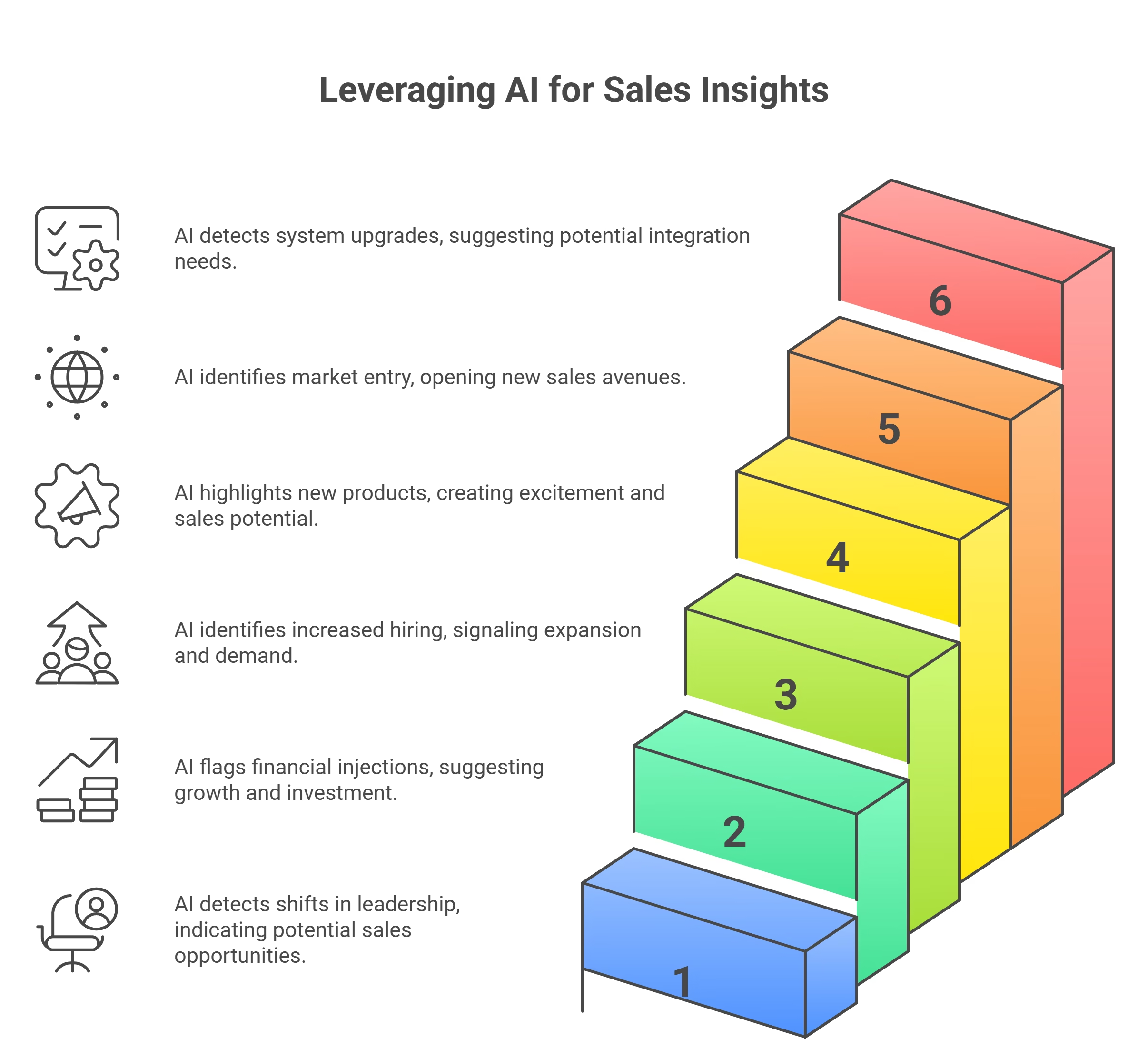
AI now enables sales and revenue teams to identify compelling events at scale, something that historically required hours of manual account research.
These signals can include:
● executive leadership changes
● fundraising announcements
● hiring surges
● product launches
● expansion into new markets
● technology migrations
For example, if a company suddenly begins hiring multiple account executives, sales operations managers, and enablement roles, that can signal rapid revenue growth and increased need for sales infrastructure.
AI can detect these patterns in real time across job boards, news sources, social channels, and company websites.
This allows teams to prioritize outreach based on actual momentum rather than static lead lists. Instead of sending a generic email, sellers can anchor outreach to a specific business event:
“Noticed your team is rapidly scaling GTM headcount, many organizations at this stage begin evaluating workflow automation and enablement tooling.”
That level of relevance dramatically improves response rates.
As I recently covered in a deeper framework on my website, AI-driven compelling event discovery is quickly becoming one of the biggest advantages in modern outbound strategy. You can read the full breakdown here.
The future of GTM outreach is no longer volume-first.
It is signal-first.
And AI is accelerating that shift.
Looking for? Developer Tools Developers Can’t Stop Talking About